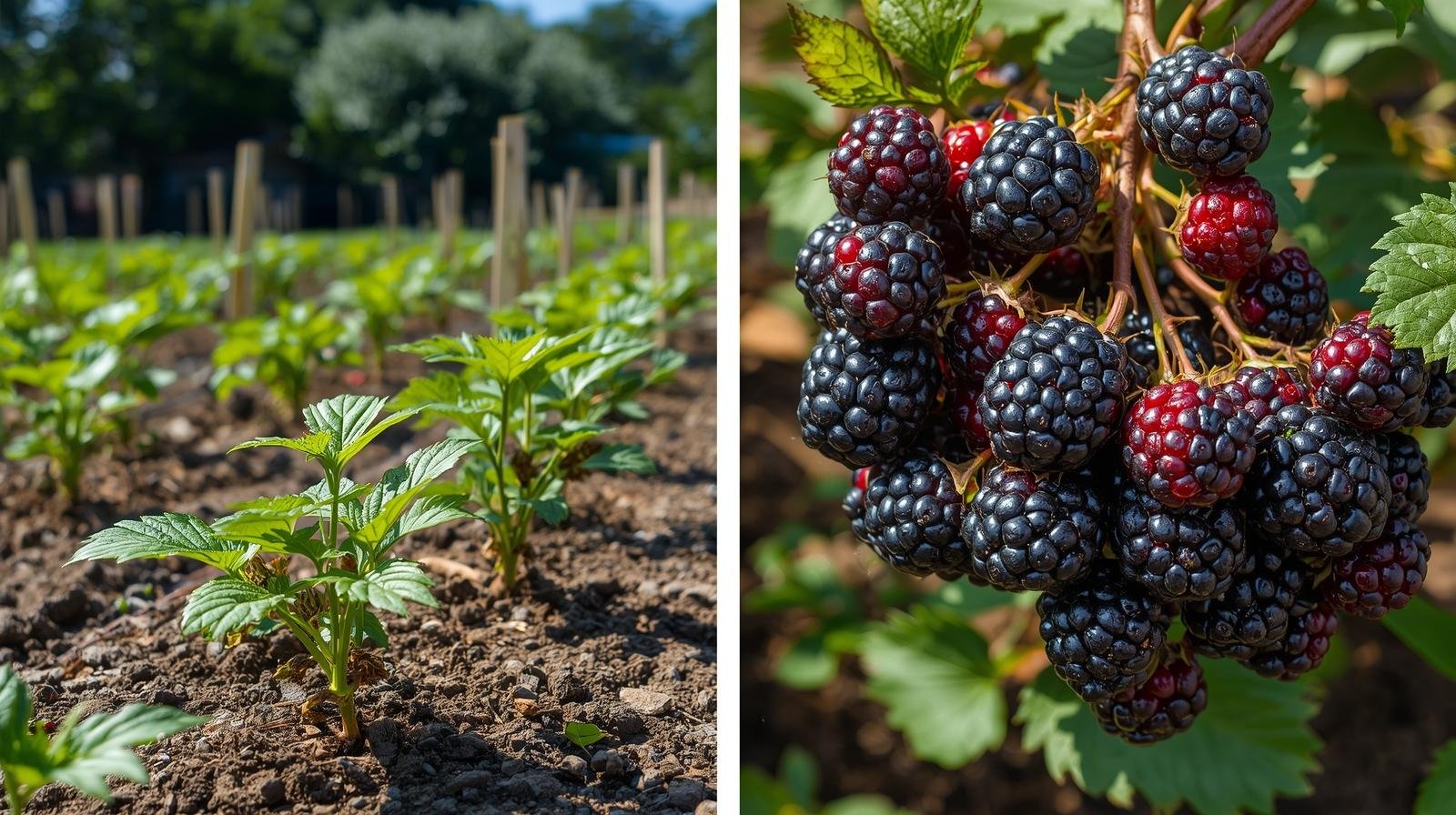
Introduction: The Magic of Giant Blackberries
Giant blackberries are a gardener’s delight. Their plump, juicy berries are perfect for desserts, jams, and fresh eating. Growing blackberries successfully requires understanding soil, pruning, watering, and pest management. With the right techniques, even small garden spaces can produce abundant harvests. Blackberries are perennial, producing year after year. The secret lies in nurturing healthy roots and strong canes. Proper fertilization enhances fruit size and sweetness. Gardeners often overlook minor details that significantly impact yield. This guide reveals practical methods for growing giant blackberries. From seedling to harvest, attention to detail pays off.
Choosing the Right Blackberry Variety
Selecting the proper variety influences fruit size, flavor, and hardiness. Thornless varieties are easier to manage. ‘Triple Crown’ and ‘Chester’ are known for large, sweet berries. Consider climate adaptability. Some varieties produce longer harvests. Organic growth prefers disease-resistant types. Research local recommendations for optimal results. Seedlings or nursery plants ensure uniformity. Variety selection sets the stage for success. Proper choice ensures maximum yield.
Soil Preparation for Maximum Growth
Blackberries thrive in well-draining, fertile soil. Loamy soil enriched with compost improves berry size. Avoid clay soils that retain excess water. pH levels between five and six point five are ideal. Add organic matter to improve structure and nutrient content. Mulching helps retain moisture and control weeds. Proper soil preparation enhances root development. Fertile soil encourages larger fruit. Healthy roots form the backbone of giant berries.
Planting Techniques
Plant blackberries in spring after frost risk. Space canes three to four feet apart for airflow and sunlight. Dig holes twice the root ball size. Water immediately after planting. Avoid crowding to reduce disease risk. Provide support such as trellises for upright growth. Orientation affects sun exposure and berry quality. Proper planting ensures strong, vigorous plants. Early care influences long-term productivity.
Watering Strategies
Blackberries need consistent moisture, especially during fruiting. Drip irrigation prevents fungal problems. Avoid overhead watering that wets leaves excessively. Deep watering encourages strong root systems. Reduce irrigation slightly after harvest. Mulch helps retain soil moisture. Monitor weather conditions to adjust watering. Proper hydration ensures plump, juicy berries. Consistency is key for quality harvests.
Fertilization for Giant Fruit
Balanced nutrients promote large berries. Nitrogen supports leaf and cane growth. Phosphorus encourages strong roots and flower formation. Potassium enhances fruit size and sweetness. Organic compost or slow-release fertilizers work well. Fertilize in early spring and again during flowering. Avoid over-fertilization that reduces fruit quality. Regular feeding produces larger, juicier berries. Nutrient management is crucial for maximum yield.
Pruning Techniques
Pruning stimulates healthy growth and increases berry size. Remove weak or diseased canes annually. Trim lateral branches to encourage fruiting on new growth. Maintain airflow to prevent fungal diseases. Summer pruning reduces overcrowding. Winter pruning shapes the plant for next season. Proper pruning enhances sunlight exposure. Healthy canes produce sweeter, larger berries. Strategic pruning is the secret to size.
Trellising and Support
Support improves cane health and fruit size. Use T-trellises or stake systems. Tie canes loosely to allow movement and growth. Trellising reduces cane breakage under heavy fruit load. Good support increases sunlight exposure. It facilitates harvesting without damaging fruit. Prevents fungal disease by maintaining airflow. Supported canes produce larger, better-quality berries. Stability is crucial for giant harvests.
Pollination Tips
Blackberries are partially self-pollinating. Bees and pollinators enhance fruit set and size. Plant pollinator-friendly flowers nearby. Avoid pesticides during flowering. Adequate pollination increases berry weight and sweetness. Flower health directly impacts fruit quality. Proper pollination ensures a consistent harvest. Encourage beneficial insects. Pollination management is a natural way to increase size.
Pest and Disease Control
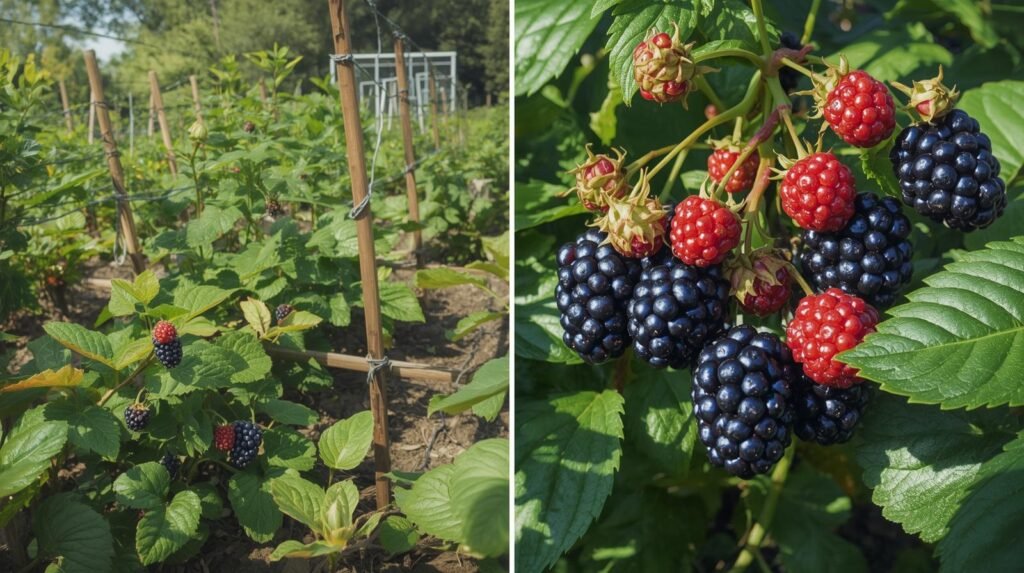
Common pests include aphids, spider mites, and Japanese beetles. Fungal diseases like anthracnose and powdery mildew affect berries. Monitor regularly for signs of damage. Use organic sprays or natural predators. Maintain clean soil and prune diseased canes. Integrated pest management preserves fruit quality. Early intervention prevents yield loss. Healthy plants produce bigger berries. Consistency prevents minor problems from becoming major.
Mulching Benefits
Mulching retains soil moisture, suppresses weeds, and regulates soil temperature. Straw, wood chips, or leaf mulch work well. Apply two to four inches around the base of the plant. Keep mulch a few inches from the cane base. Mulch adds nutrients as it decomposes. Conserves water and reduces soil-borne diseases. Improves root health and berry size. Mulching is essential for sustainable blackberry growth. Proper mulch management improves fruit quality.
Environmental Factors Affecting Growth
Sunlight, temperature, and humidity impact berry size. Full sun is ideal for juicy fruit. Excessive shade reduces sweetness and size. Monitor temperature during flowering. Cold snaps can damage blooms. Hot, dry weather requires extra watering. Maintaining optimal conditions ensures maximum fruit quality. Adjust care based on environmental changes. Healthy conditions support giant berries.
Harvesting Techniques
Pick berries when fully ripe for best taste. Ripe blackberries detach easily from the plant. Harvest early in the morning for optimal juiciness. Handle gently to avoid bruising. Frequent picking encourages continuous production. Avoid leaving overripe berries that attract pests. Proper harvesting ensures maximum yield. Use shallow baskets to prevent damage. Timing impacts flavor and size.
Post-Harvest Handling
Store berries in cool, ventilated containers. Avoid washing until ready to consume. Refrigerate to extend shelf life. Handle carefully to prevent squashing. For jams and preserves, process immediately for best flavor. Proper storage maintains juiciness and freshness. Post-harvest care ensures quality reaches the table. Healthy handling preserves giant fruit benefits. Proper management extends enjoyment.
Common Mistakes to Avoid
Overcrowding reduces sunlight and air circulation. Over-fertilization can lead to excessive leaves but smaller berries. Underwatering causes small, dry fruit. Ignoring pests or disease leads to damage. Neglecting pruning weakens canes. Improper harvesting reduces quality. Avoid these errors for a better crop. Attention to detail improves size and yield. Learning from experience ensures success.
Long-Term Benefits of Growing Giant Blackberries
Homegrown blackberries are chemical-free and flavorful. Regular harvests provide fresh fruit and culinary opportunities. Gardening improves health and well-being. Planting perennials reduces future planting costs. Giant berries enhance property appeal. Pollinator-friendly practices improve biodiversity. Continuous care strengthens skills and knowledge. Patience rewards gardeners with abundant harvests. Sustainable gardening benefits both family and environment.
Expert Tips for Maximum Fruit Size
Use thornless varieties for easier management. Apply balanced organic fertilizers. Maintain proper pruning and trellising. Encourage pollinators and monitor pests. Mulch consistently and manage water. Remove old canes annually. Rotate planting areas to prevent soil depletion. Observe environmental conditions carefully. Implement expert techniques for giant fruit. Consistency ensures remarkable results.
Table: Giant Blackberry Growth Checklist
Step
Select high-yield, disease-resistant varieties
Step
Prepare well-draining fertile soil
Step
Plant with proper spacing and trellis support
Step
Water consistently, especially during fruiting
Step
Fertilize in spring and during flowering
Step
Prune canes for airflow and fruiting
Step
Encourage pollinators for full berry set
Step
Harvest ripe berries carefully