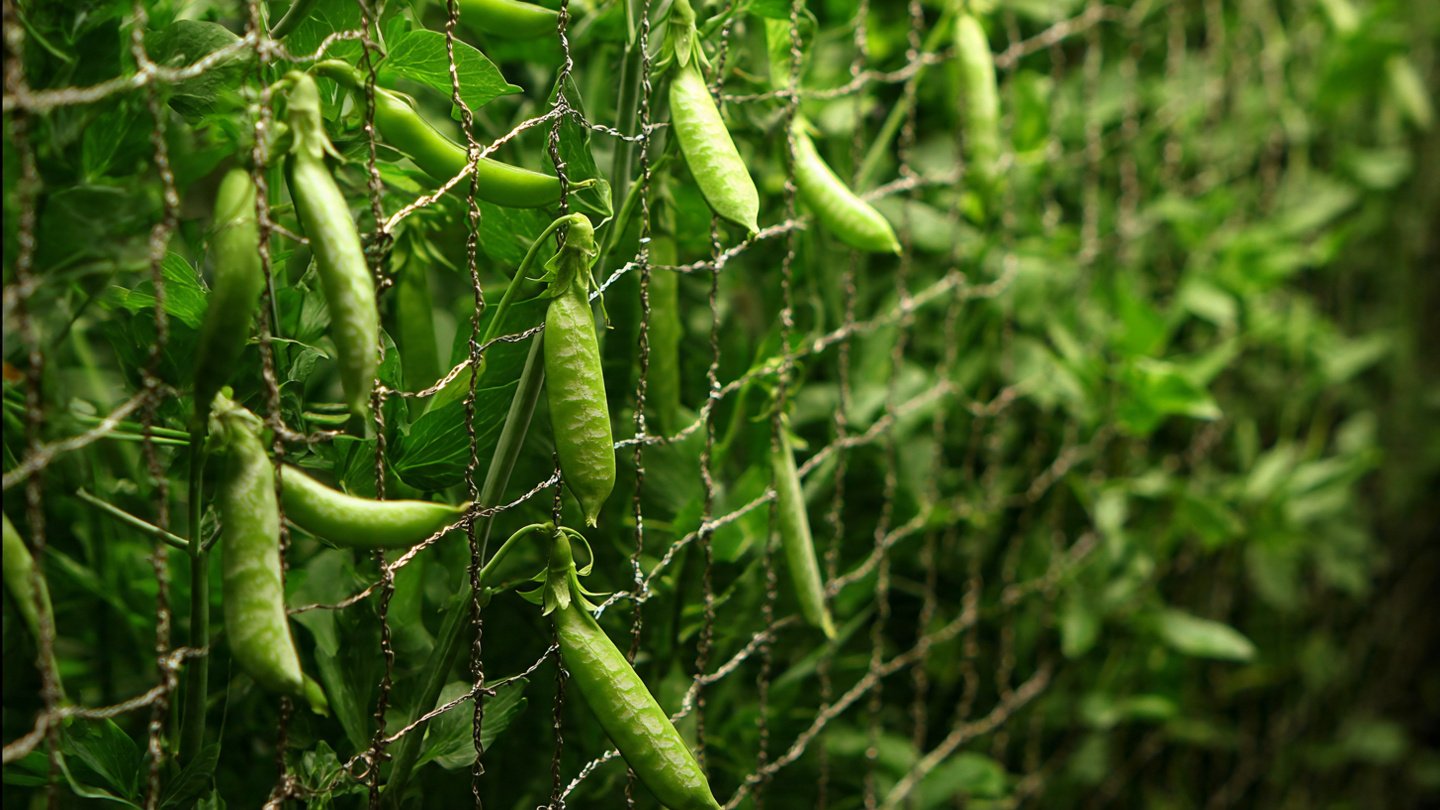
Why You Should Try Growing a Vertical Garden of Peas on a Net
As urban spaces get smaller and gardening spaces often become nonexistent, gardening enthusiasts are increasingly exploring innovative ways to cultivate plants. Vertical gardening has emerged as a popular solution, allowing gardeners to maximize space while also creating beautiful, lush environments in often limited areas. One of the most rewarding plants to consider for a vertical garden is the pea. This article will delve into the multiple reasons why you should try growing a vertical garden of peas on a net, covering benefits from space-saving to aesthetics and environmental impact.
The Basics of Vertical Gardening
Vertical gardening is the practice of growing plants upwards rather than outwards or downwards. This is typically done using a trellis or netting system that supports the plants as they grow. With a vertical garden, you can make the most of your limited space, whether you live in an apartment, a tiny house, or just want to create more room in your backyard. This approach not only saves space but is also visually appealing, transforming bare walls or fences into vibrant green surfaces.
1. Space Efficiency
Peas are a climbing plant that naturally grows upward, making them ideal candidates for vertical gardening. If you have a small garden or balcony, growing peas vertically will allow you to utilize vertical space without expanding your garden’s footprint. This method alleviates the common challenge of limited garden area, allowing you to grow more food in less space. You can plant them on a trellis or a net, freeing up the ground for additional plants.
2. Improved Air Circulation
One of the benefits of vertical gardening is improved air circulation around the plants. When peas are allowed to grow on a vertical net, they can receive better airflow, reducing the risk of fungal diseases that can plague garden beds where plants are planted too closely together. This healthy environment promotes quicker growth and higher yields, making your gardening easier and more fruitful.
3. Ease of Harvesting
Harvesting can sometimes feel like a chore, especially when bending down to the ground to collect your produce. When you grow peas vertically, harvesting becomes much easier. Simply stand and reach for the pods at eye level. This not only speeds up the harvesting process but also minimizes strain on your back and knees, making it accessible for gardeners of all ages.
4. Better Pest Management
Another advantage of vertical gardening, especially with peas, is improved pest management. When plants are elevated, they are less susceptible to certain soil-borne pests and diseases. Moreover, the better air circulation helps discourage the habitat of undesirable insects. Using organic pest control methods becomes simpler when your plants are at a manageable height and spread, allowing you to regularly check for issues without labor-intensive bending.
5. Organic and Sustainable Eating
By growing your own peas, you are taking a step towards organic and sustainable eating. Peas are not only nutritious but also enhance soil health by fixing nitrogen through their roots. This means that growing peas can contribute positively to your soil nutrient levels, benefiting future plant growth too. Opting for homegrown produce also allows you to control how your crops are treated, avoiding harmful pesticides and chemicals often used in commercial agriculture.
6. Aesthetically Pleasing
Imagine looking at a green wall flourishing with beautiful pea plants, adorned with delicate white flowers and vibrant green pods. Vertical gardens can become stunning focal points in your gardening space, adding color and life to otherwise drab walls or fencing. A vertical pea garden can not only provide food but also serve as an attractive, organic piece of living art in your home.
7. Educational Opportunities for Children
Growing a vertical garden of peas is an excellent project for families, especially involving children in the process. Gardening can be a fun educational experience, teaching kids about responsibility, biology, and healthy eating. They can learn about plant growth, the role of sunlight and water, and the importance of sustainable practices. Moreover, watching peas climb and flourish sends an empowering message about nature’s workings and encourages children to connect with their food sources.
8. Seasonal Versatility
Peas are relatively easy to grow and can often be planted in early spring, making them suitable for cooler climates. By implementing a vertical gardening strategy, you can take advantage of these cool-season crops and integrate them with other plants in your garden space. This allows you to maximize your harvest across different seasons while also ensuring that your vertical garden remains active and productive throughout the year.
9. Minimal Maintenance and Care
While any garden requires a certain level of upkeep, vertical gardens can be easier to maintain. Supports such as nets and trellises provide the necessary structure for the plants, minimizing the need for additional support. Peas, in particular, are relatively low-maintenance, requiring regular watering, occasional weeding, and nutrient replenishing. With the vertical setup, you minimize the physical labor typically associated with garden care.
10. Community and Bonding
Starting a vertical pea garden can also lead to building community ties. If you reside in a neighborhood or apartment complex, collaborate with neighbors to establish a vertical garden space. The shared experience of nurturing plants can bring people together, enhancing community spirit. You may find that sharing gardening tips and produce can cultivate friendships that go beyond the garden.
11. Environmental Education and Awareness
Growing a vertical garden filled with peas not only helps you produce more food sustainably but also fosters an environment of awareness about gardening and agricultural practices. Each step you take in your gardening journey can serve as an opportunity to learn more about environmental issues, which is invaluable in cultivating a sustainable future. This process can inspire others around you to engage in green practices and consider their food sources.
12. A Source of Fresh Food Year-Round
Finally, with a vertical garden, you can enjoy the benefits of fresh food right outside your door. Peas can be enjoyed in many forms—fresh pods in salads, cooked as a side dish, or even frozen for later use. Imagine the taste of a raw pea straight off the vine or a seasonal stir-fry with homegrown peas. Not only do you have access to delicious food, but it’s also a great source of pride and satisfaction to know exactly where your food comes from.
Conclusion
Growing a vertical garden of peas on a net is a rewarding experience that combines efficiency, beauty, and sustainability. By maximizing space, minimizing maintenance, and providing educational opportunities, vertical gardens can transform the way you think about gardening. From improved air circulation to simplified harvesting, the benefits abound. Plus, the prospect of enjoying fresh, homegrown peas offers a delightful addition to any meal.
For those looking to embrace their green thumbs, consider what a vertical garden could offer. It’s not just about growing food; it’s about cultivating a lifestyle centered on sustainability, community, and the joy of gardening. Why not give it a try? Your taste buds and your environment will thank you!