Introduction
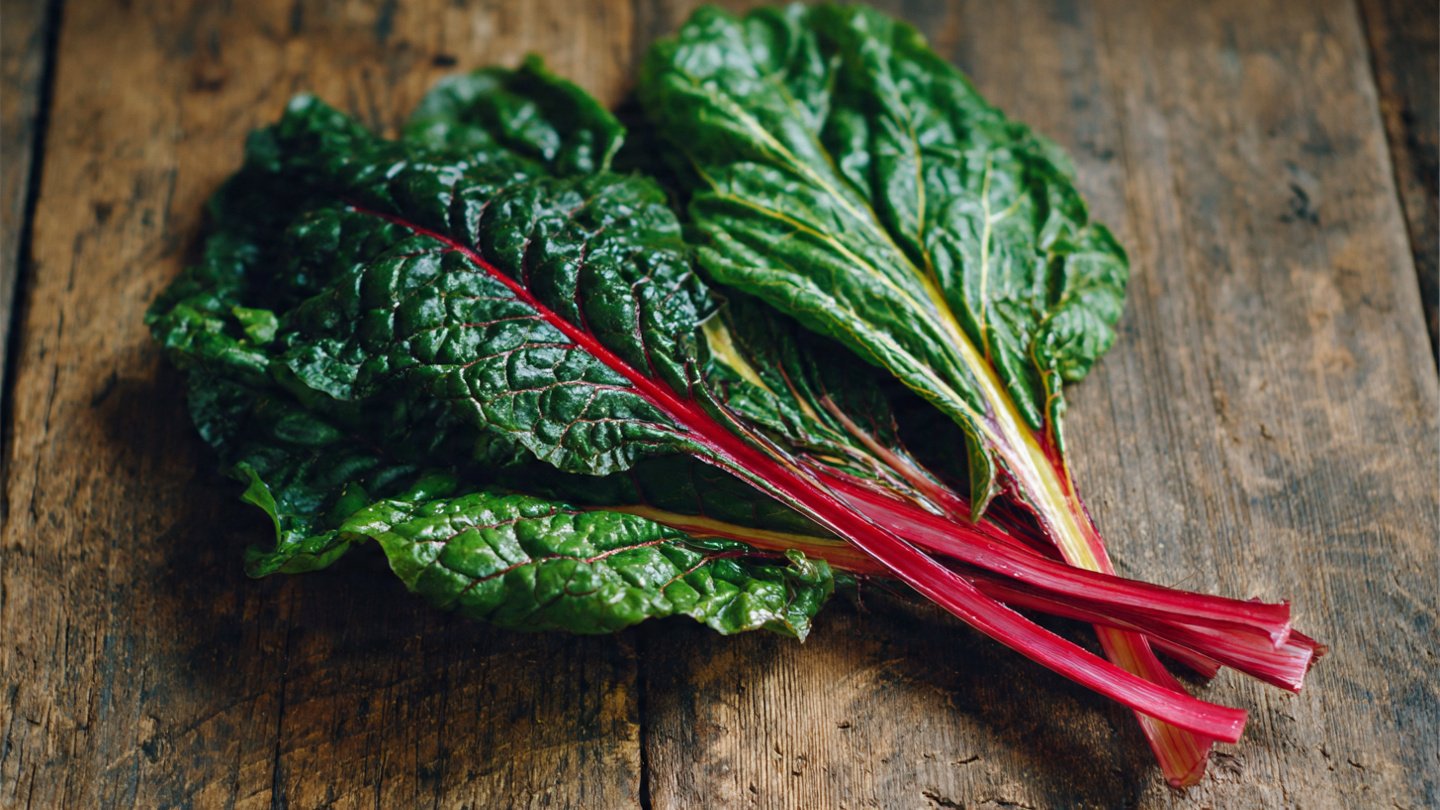
Chard, particularly Swiss chard, is a leafy green vegetable that has gained popularity not just for its nutritional benefits, but also for its versatility in various culinary applications. Growing your own chard can be a rewarding experience that allows you to enjoy fresh, flavorful greens straight from your garden. This article will explore the reasons why you should consider growing chard specifically for sautéing, along with its benefits, cultivation tips, and more.
Health Benefits of Chard
Chard offers a myriad of health benefits, making it a great addition to your diet:
- Nutrient-Rich: Swiss chard is loaded with vitamins A, C, and K, as well as minerals like magnesium, iron, and potassium.
- Antioxidant Properties: The vibrant colors in chard signify the presence of antioxidants that help combat oxidative stress.
- Supports Bone Health: The high vitamin K content plays a crucial role in bone metabolism and health.
- Promotes Heart Health: Chard’s fiber content can help lower cholesterol and promote overall heart health.
Culinary Versatility
One of the best reasons to grow your own chard is its versatility in the kitchen. When sautéed, chard becomes tender and flavorful, making it an excellent base for numerous dishes. Here are a few ideas:
- Sauté with Garlic: A simple sauté with garlic and olive oil brings out the natural tastes of chard.
- Add to Pasta Dishes: Chard can be added to pasta, enhancing its nutritional value and adding a lovely color.
- Incorporate Into Stir-Fries: The slightly bitter flavor pairs well with other vegetables and proteins.
- Top Salads: Freshly sautéed chard makes an excellent warm topping for salads.
Growing Your Own Chard
If you are convinced of the benefits of chard, the next question is how to grow it effectively. Here are some essential tips to get you started:
1. Choosing the Right Variety
When selecting chard, opt for varieties known for flavor and yield. Common options include:
- Fordhook Giant: Recognized for its large, tender leaves.
- Bright Lights: Noted for its colorful stems and resilient leaves.
2. Optimal Growing Conditions
Chard thrives best under certain conditions:
- Sunlight: Aim for at least 6 hours of full sun each day.
- Soil: Well-drained, nutrient-rich soil is ideal. Adding organic matter such as compost can boost soil quality.
- Watering: Regular watering is essential; keep the soil moist but avoid waterlogging.
3. Sowing Seeds
Chard can be grown from seeds or transplants. If sowing seeds, consider:
- Sowing directly into the garden after the last frost date.
- Spacing seeds about 12 inches apart to allow for healthy growth.
4. Harvesting Tips
Chard can be harvested at various stages:
- For baby greens, harvest young leaves that are about 4-6 inches long.
- For mature plants, wait until leaves are at least 8-10 inches long for maximum flavor.
5. Pest Control
Be mindful of pests like aphids and leaf miners. Regular inspection and organic pest control methods can help keep your plants healthy and thriving.
Fresh Sautéing: A Culinary Delight
The essence of sautéing lies in its simplicity. The quick cooking method not only retains the nutritional integrity of chard but also enhances its natural flavor profile. A basic sauté can be accomplished as follows:
Ingredients
- Fresh chard
- Olive oil or butter
- Garlic, minced
- Salt and pepper to taste
- Optional: Red pepper flakes, lemon juice
Instructions
- Rinse the chard thoroughly and chop it into bite-sized pieces.
- Heat olive oil or butter in a large skillet over medium heat.
- Add the minced garlic and sauté until fragrant.
- Add the chard, seasoning it with salt and pepper. Sauté for 3-5 minutes, until wilted.
- For added flavor, sprinkle in red pepper flakes or finish with a splash of lemon juice.
This simple preparation highlights the tender texture and mild flavor of chard, making it a delightful addition to any meal.
Environmental Impact
Growing your own chard not only benefits you nutritionally but also positively impacts the environment. Here’s how:
- Reduced Carbon Footprint: By growing your own produce, you decrease the need for transportation and packaging, contributing to lower carbon emissions.
- Promotes Biodiversity: Home gardens encourage diversity by providing habitats for various species of plants and insects.
- Encourages Sustainable Practices: You can control how your chard is grown, opting for organic practices and reducing pesticide use.
Conclusion
Growing your own chard for fresh sautéing provides numerous benefits ranging from enhanced flavor and nutritional value to environmental sustainability. With its culinary versatility and health benefits, chard can enrich your meals and your lifestyle. By following the simple steps of cultivation, you’ll reap the rewards of this vibrant and nutrient-packed vegetable, bringing a taste of freshness to your kitchen straight from your garden.
FAQs
1. How long does it take to grow chard?
Chard typically takes about 50 to 60 days to reach maturity, depending on the variety and growing conditions.
2. Can chard be grown in containers?
Yes, chard grows well in containers! Ensure the pots are deep and wide enough for healthy root growth.
3. What is the best time to plant chard?
Chard can be sown in early spring or late summer for a fall harvest, making it a versatile vegetable for various seasons.
4. How should I store fresh chard?
Store fresh chard in the refrigerator, ideally wrapped in a damp paper towel and placed in a plastic bag. It can last for about a week.
5. Are there any health risks associated with consuming chard?
Chard contains oxalic acid, which can be problematic for individuals with kidney issues. Always consult with a healthcare professional if you have concerns.