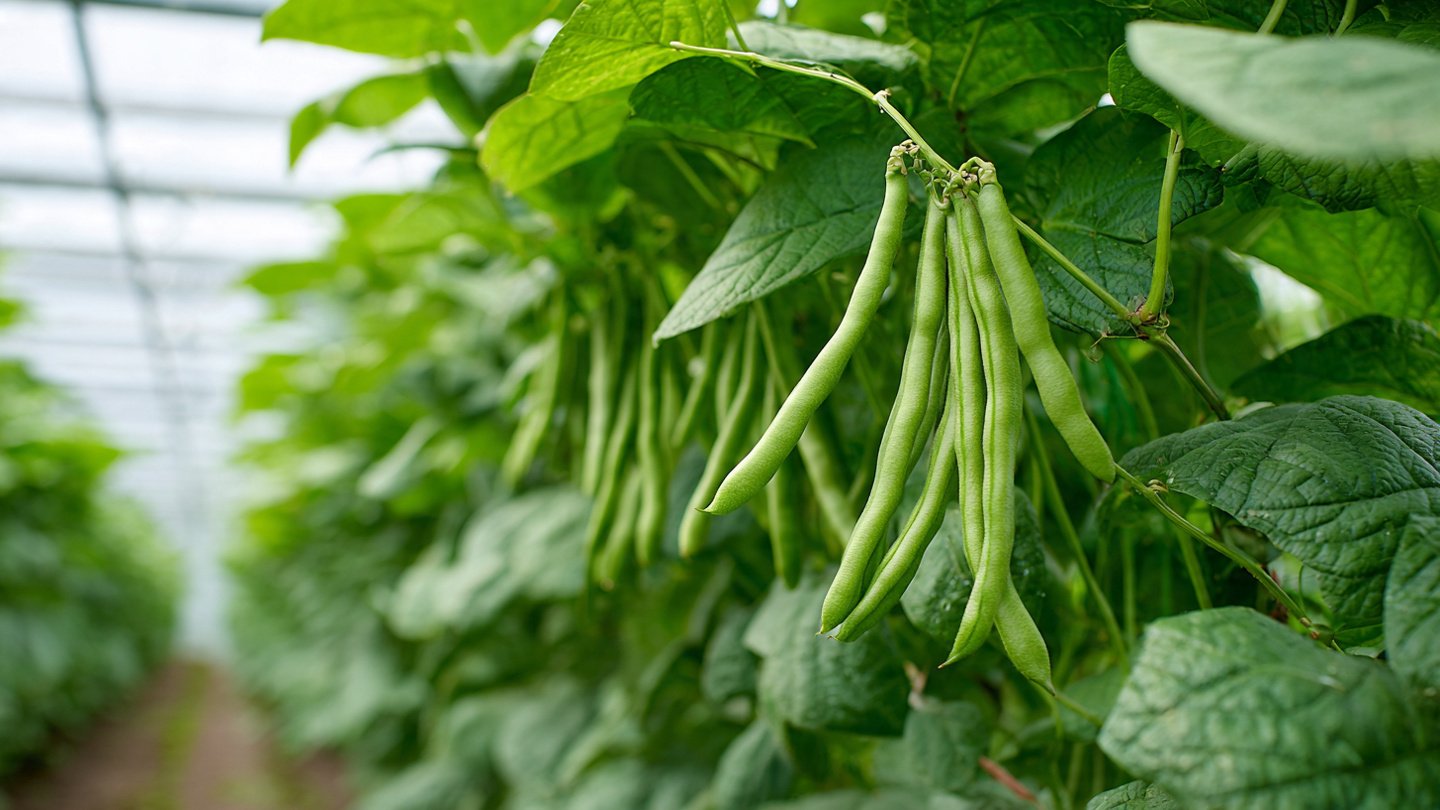
How to Cultivate Impeccable Summer Beans Naturally
Summer beans, including varieties like green beans, pole beans, and bush beans, are a delightful addition to any garden. They not only provide delicious produce but also enrich the soil through nitrogen fixation. Cultivating summer beans naturally can enhance their flavor, strengthen their resilience, and ultimately yield higher harvests. This comprehensive guide will walk you through the steps of growing summer beans organically, ensuring that your gardening practices are sustainable and beneficial for the environment.
Understanding Summer Beans
Before we dive into the cultivation process, let’s briefly understand what summer beans are. They are typically harvested while the seeds are still tender and the pods are succulent. There are two main types:
-
Bush Beans: These varieties grow compactly and can be planted in small spaces. They require less support but produce a shorter harvest period.
-
Pole Beans: Climbing varieties that need support structures, such as trellises, to grow upwards. They generally offer a longer harvest period and can produce a more abundant yield.
Choosing the Right Variety
Selecting the right bean variety is the first step in successful cultivation. Consider the following factors:
- Climate: Make sure the chosen variety is suited to your local growing conditions.
- Space: Assess whether you’ll be using garden beds or containers.
- Usage: Choose varieties based on how you intend to use them—fresh eating, freezing, or canning.
Popular summer bean varieties include:
- Blue Lake: A bush bean known for its flavor.
- Kentucky Wonder: A popular pole bean that is versatile and flavorful.
- Contender: A bush bean that matures early.
Soil Preparation
Healthy soil is essential for robust plant growth. Start by testing the soil’s pH; summer beans prefer a pH range of 6.0 to 7.0.
1. Enhancing Soil Quality
-
Adding Organic Matter: Incorporate compost, aged manure, or peat moss into the soil. This enhances soil fertility, structure, and moisture retention.
-
Mulching: Applying organic mulch can help retain moisture, suppress weeds, and improve soil quality as it breaks down.
2. Ensuring Drainage
Summer beans dislike waterlogged soil. Implement raised beds or ensure proper drainage by adding sand or organic matter to heavy clay soils.
Planting Beans
Timing your planting is crucial. Beans are tender plants that need warm soil to germinate. Wait until the soil temperature has reached at least 70°F (21°C), usually around late spring to early summer.
1. Planting Methods
-
Direct Sowing: Plant seeds 1-2 inches apart and 1-2 inches deep in rows that are spaced 18-36 inches apart, depending on whether you are planting bush or pole varieties.
-
Succession Planting: To prolong the harvest, consider planting a new batch of beans every two weeks until mid-summer.
2. Watering
Beans require consistent moisture during germination and growth. Water thoroughly but avoid overwatering.
Supporting Growth
1. Trellises for Pole Beans
If planting pole beans, install trellises at the time of planting. Use materials such as bamboo stakes, wire mesh, or natural wood. Ensure the structure is sturdy enough to support the weight of the mature plants.
2. Companion Planting
Consider planting beans alongside compatible plants to enhance growth and deter pests. Good companions include:
- Corn: Offers natural support for climbing varieties and provides nitrogen.
- Marigolds: Deter pests with their strong scent.
Organic Fertilization
While beans can fix their own nitrogen, adding additional nutrients can support growth. Use organic fertilizers such as:
- Compost Tea: Provides a boost of nutrients.
- Fish Emulsion: Rich in nitrogen; dilute before application.
- Bone Meal: A phosphorus source that enhances flowering and pod development.
Pest and Disease Management
Maintaining a healthy garden ecosystem is vital for preventing pests and diseases. Here are a few natural strategies:
1. Crop Rotation
Rotate bean crops with other plants each year to disrupt pest and disease cycles.
2. Organic Pesticides
If pests like aphids or beetles become problematic, consider using:
- Neem Oil: A natural insecticide that targets a range of pests without harming beneficial insects.
- Insecticidal Soap: Effective against soft-bodied insects.
3. Biological Control
Encourage beneficial insects such as ladybugs and lacewings that prey on pests.
Watering and Maintenance
1. Regular Watering
Deep watering promotes root health. Aim for at least 1 inch of water weekly, either through rainfall or irrigation.
2. Weeding
Keep the area around the beans free of weeds that can compete for nutrients and water. Mulching can help suppress weed growth.
Harvesting
Timing your harvest is crucial for ensuring peak flavor and tenderness. Beans should be harvested when they are firm yet tender, typically 50-70 days after sowing, depending on the variety.
1. How to Harvest
-
Bush Beans: Use scissors or shears to cut the pods off at the stem.
-
Pole Beans: Gently twist the pods to detach them from the plant.
2. Frequency
Harvest regularly; this encourages further production and prevents beans from becoming tough and stringy.
Preserving Your Beans
If you have a bountiful harvest, you may want to preserve your beans for future use. Here are three popular methods:
1. Freezing
Blanch beans in boiling water for 2-3 minutes, then immerse them in ice water. Drain, and pack into freezer bags.
2. Canning
Use a pressure canner to safely can beans. This requires sterilizing jars and following specific guidelines.
3. Drying
Air-drying beans is another method, especially for shelling ones. Ensure they are fully dried before storage.
Conclusion
Cultivating summer beans naturally requires attention to detail, but the rewards are worth it. With rich flavors, abundant harvests, and the numerous benefits of organic gardening, you’ll be well on your way to enjoying this delicious crop.
By following the steps outlined in this article—from choosing the right variety and preparing the soil, to managing pests and properly harvesting—you’ll cultivate impeccable summer beans that are both delightful to eat and beneficial for your garden ecosystem. Happy gardening!