Introduction
Growing your own vegetables can be a rewarding endeavor, but many urban dwellers often feel limited by their space. Thankfully, with creativity and the right containers, even those living in apartments can cultivate a variety of produce. One exciting option for container gardening is the golden beet, a delicious and vibrant root vegetable that can thrive in a deep balcony pot. This article will explore the feasibility of growing golden beets in containers, covering everything from the specific requirements for these plants to tips for a successful harvest.
Understanding Golden Beets
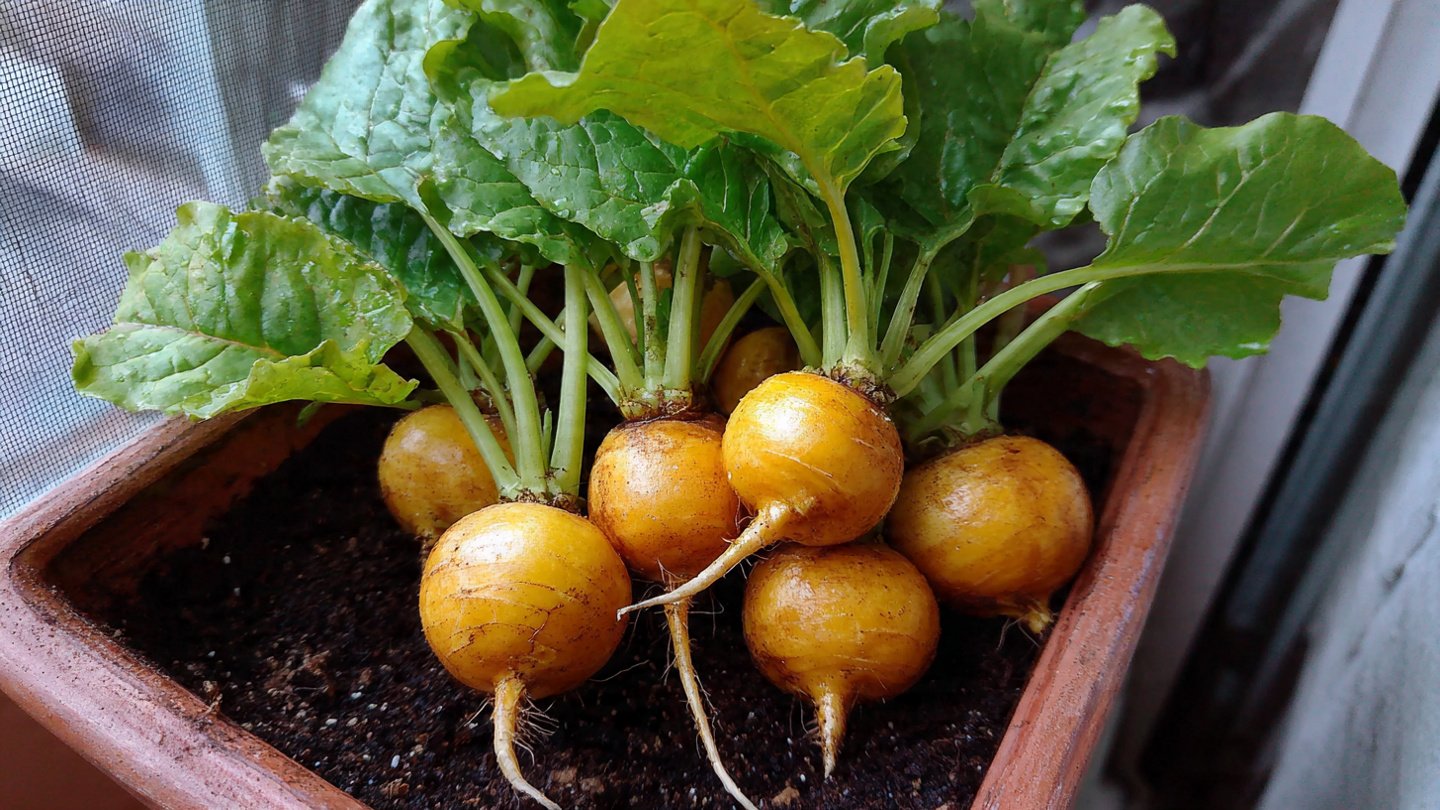
Golden beets (Beta vulgaris) are a cultivar of beetroot that stand out not only due to their vibrant golden color but also for their sweet, earthy flavor. Unlike traditional red beets, golden beets have a more delicate taste and tend to be less messy to handle, making them an attractive option for home cooks. They are packed with nutrients, including vitamins A and C, potassium, and fiber, making them a fantastic addition to any diet.
Nutritional Benefits
Aside from their unique flavor and color, golden beets boast a range of health benefits. They are:
- High in Nutrients: Rich in vitamins, minerals, and antioxidants.
- Low in Calories: A great choice for those watching their weight.
- Digestive Health: The fiber content supports gastrointestinal health.
Container Gardening: The Basics
Choosing the Right Pot
When growing vegetables in containers, the pot you choose is of utmost importance. Golden beets require a deep pot, ideally 12 to 18 inches deep, to accommodate their taproots, which can grow significantly. Here are a few points to consider when choosing a pot:
- Material: Terra cotta pots allow for proper drainage and aeration, while plastic pots are lighter and easier to move.
- Drainage: Ensure your pot has drainage holes to prevent waterlogging, which can lead to root rot.
- Size: A 5-gallon pot is generally suitable for several beet plants, allowing for adequate space as the roots grow.
Soil Selection
The right soil mix will play a crucial role in the success of your container garden. Golden beets thrive in well-draining, nutrient-rich soil. A blend of potting soil, compost, and vermiculite can offer the best results. Aim for a soil pH between 6.0 and 7.0 for optimal growth.
Planting Golden Beets
Timing Your Planting
Golden beets are cool-season crops, best planted in early spring or late summer for a fall harvest. In regions with mild winters, you can even consider a winter planting in a protected environment. The typical growing season is 50 to 70 days from seed to harvest.
Seed Selection
When purchasing seeds, it’s important to note that golden beets can be found at various garden centers or online. They can also be started from seedlings if you prefer a head start. Popular varieties include ‘Burpee’s Golden’ and ‘Golden Detroit’. Always look for high-quality seeds to ensure a successful harvest.
Sowing Seeds
- Prepare the Soil: Mix your soil and compost thoroughly in the pot. Moisten the soil slightly before sowing.
- Sow the Seeds: Plant the seeds about 1/2 inch deep and space them 2 to 3 inches apart. Thin the seedlings later for ample growing space.
- Watering: Water the soil after planting. Keep it consistently moist but not soggy.
Care and Maintenance
Sunlight Requirements
Golden beets thrive in full sun, so choose a location for your pot that receives at least 6 to 8 hours of sunlight each day. If your balcony is shaded for part of the day, consider using reflective materials or repositioning pots throughout the day to maximize sunlight exposure.
Watering Practices
Maintaining appropriate moisture levels is essential. Golden beets prefer consistently moist soil, so check the pot daily, especially during hot weather. Water when the top inch of soil feels dry, ensuring that water drains from the bottom.
Fertilization
While golden beets will benefit from nutrient-rich soil at the outset, they may require additional fertilization during their growth. Use a balanced fertilizer or organic options like fish emulsion to provide the necessary nutrients. Fertilize every few weeks according to the product’s instructions.
Dealing with Pests and Diseases
Container gardening can help minimize pest problems, but some issues may still arise. Look out for common pests such as aphids and beetles. Here are ways to manage them:
- Regular Inspections: Check the plants weekly for signs of pest infestations.
- Natural Remedies: Use neem oil or insecticidal soap as needed to treat infestations.
- Companion Planting: Consider planting marigolds near your beets to deter harmful insects.
Diseases such as root rot can occur if the soil is overly wet. Ensure proper drainage and avoid overwatering to mitigate these risks.
Harvesting Golden Beets
Golden beets can be harvested 50 to 70 days after planting, depending on the variety. You can start harvesting them when they reach about 1.5 to 3 inches in diameter. Pull them gently from the soil, being careful not to damage the roots.
Timing the Harvest
It’s generally best to harvest in the cooler part of the day, either in the morning or late afternoon. Examine the size of the beets, and if you prefer smaller, sweeter roots, you can harvest them earlier. Don’t forget to leave the smaller ones in the pot for continued growth.
Post-Harvest Care
After harvesting, trim the greens, leaving about an inch intact to prevent bleeding. Store the beets in the fridge, where they can last for several weeks. Use the greens in salads or stir-fries, as they are also edible and nutritious.
Troubleshooting Common Problems
Despite your best efforts, various challenges can arise while growing golden beets in pots. Here are some common issues and their solutions:
Stunted Growth
Causes: Poor soil quality or inadequate nutrients can lead to stunted growth.
Solutions: Ensure rich soil and consider a balanced fertilizer.
Bitter or Tough Roots
Causes: Inconsistent watering or overly mature beets can produce tough roots.
Solutions: Maintain consistent moisture and harvest at the right time.
Wilting Leaves
Causes: This may indicate either underwatering or overwatering.
Solutions: Check soil moisture and adjust your watering schedule accordingly.
Conclusion
Growing golden beets in a deep balcony pot is not only feasible but also quite rewarding. With the right pot, soil, and care, anyone can enjoy this nutritious and colorful vegetable straight from their urban garden. By following the guidelines outlined in this article, you’ll be well-equipped to cultivate a successful crop of golden beets, all while enjoying the many benefits of gardening in limited spaces. Whether you’re looking to beautify your balcony or add healthy, home-grown produce to your meals, golden beets provide a delicious solution for urban gardeners everywhere. Enjoy the journey of growing, harvesting, and ultimately, savoring your golden beets!