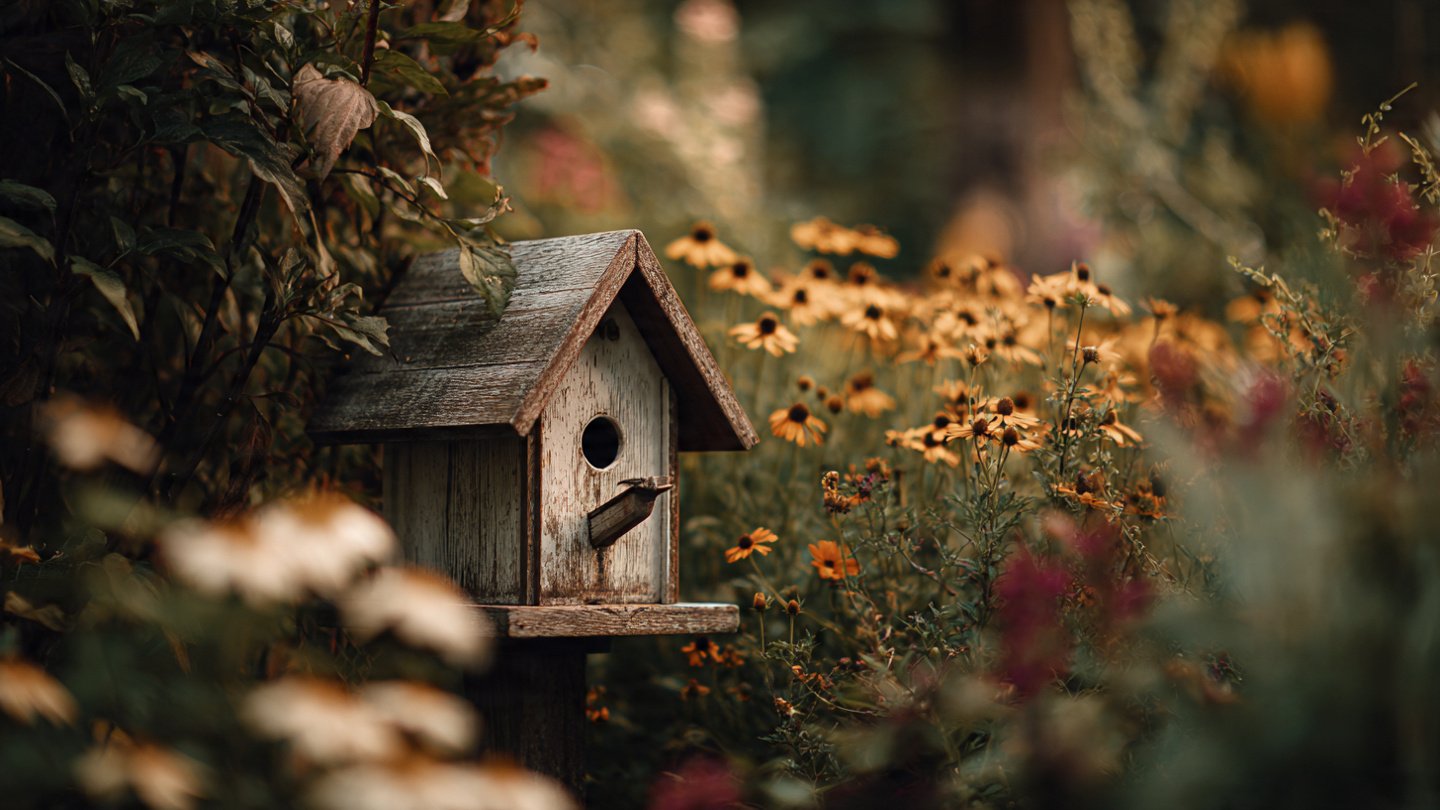
Creating a vibrant and healthy garden is a dream for many gardeners, landscapers, and homeowners. Gardeners often invest time, money, and effort into creating a lush space that not only beautifies their homes but also provides a habitat for many wildlife species. One of the most effective and sustainable methods to enhance your garden’s ecosystem is by incorporating birdhouses. These simple structures do more than welcome birds; they actively contribute to natural pest control, making your garden a harmonious sanctuary. In this article, we’ll explore how birdhouses can transform your garden into a natural pest control haven.
Understanding the Role of Birds in the Ecosystem
Birds are integral to the health of our ecosystems. They serve multiple roles, including pollinators, seed dispersers, and natural pest controllers. Many species of birds, such as blue jays, wrens, and chickadees, consume a wide variety of insects, including aphids, caterpillars, and beetles, which are common garden pests. By welcoming birds into your garden, you not only enrich the biodiversity of the area but also benefit from their natural pest control capabilities.
The Insect-Eating Powerhouses
When it comes to pest control, certain birds are particularly adept at munching on garden pests. For instance, a pair of bluebirds can devour over 1,000 insects in a single breeding season. Similarly, purple martins, swallows, and wrens feast on mosquitoes, moths, and other harmful pests, keeping their populations in check. Incorporating birdhouses can significantly increase populations of these beneficial birds, as they look for safe nesting sites.
How to Attract Birds with Birdhouses
To reap the benefits of birds in your garden, you need to create an inviting environment. Here are some important considerations:
Location
Choosing the right location for your birdhouse is essential. Ideally, place birdhouses:
- In a quiet area away from high human traffic.
- Near trees or dense shrubs to provide shelter and protection.
- Away from potential predators like cats.
Choosing the Right Type of Birdhouse
Not all birdhouses are the same, and the species of birds you want to attract will dictate the type you choose. Here are some popular options:
-
Bluebird Houses: These should be placed about 4-6 feet above ground and away from monkey competition. They have a specific entrance hole size suitable for bluebirds.
-
Wren Houses: Wrens are small and prefer houses with smaller entrance holes. They thrive in brushy areas where they can find insects.
-
Chickadee Houses: These require minimal maintenance and can be placed near feeding stations, making them quite popular.
Investing in good quality, durable materials will ensure that your birdhouses last longer and withstand harsh weather conditions.
Food and Water Sources
To further encourage birds to take residence in your birdhouses, provide supplementary food and water sources. Bird feeders stocked with seeds and a clean water source will attract even more birds, enhancing their population and effectiveness as natural pest controllers.
Benefits of Birdhouses in Pest Control
Chemical-Free Pest Management
One of the most significant advantages of using birdhouses for pest control is that it offers a chemical-free solution to managing pests. Chemical pesticides can harm beneficial insects, pollinators, and even the birds you wish to attract. By inviting birds into your garden, you create a balanced ecosystem where pest populations are kept in check without harsh chemicals.
Promoting Biodiversity
Birdhouses also encourage various bird species that bring additional biodiversity to your garden. This diversity enhances the resiliency of your garden ecosystem, as different species often target different pests. A diverse set of birds will ensure that multiple pest species are controlled, allowing for a more stable garden environment.
Education and Connection with Nature
Installing birdhouses can also serve as an educational opportunity for families and children. Observing birds in their natural habitat allows us to understand their behaviors and habitats better. Teaching kids about the importance of birds in pest control and the ecosystem fosters a sense of connection with nature and responsibility towards preserving it.
Managing Your Birdhouse Sanctuary
Once you have established your birdhouse sanctuary, maintaining it is essential to ensure it continues to serve its purpose:
Regular Cleaning
Birdhouses should be cleaned at least once a year. After the nesting season, remove old nesting materials to prevent the spread of diseases and parasites. A clean environment encourages new birds to take up residence.
Monitoring
Keep an eye on your birdhouses throughout the breeding season. Observing the frequency of visits can help determine their occupancy. If you notice that no birds are nesting, consider relocating the house or changing its entrance size based on species requirements.
Additional Features
Consider adding features like perches or nesting materials to make the birdhouses even more appealing. Installing a bird bath nearby can also create a particular attraction point, making your garden a hotspot for avian visitors.
Combining Birdhouses with Other Pest Control Strategies
While birdhouses significantly contribute to pest control, combining them with other natural strategies will enhance their effectiveness:
Companion Planting
Incorporating plants that repel pests or attract beneficial insects can synergize with your birdhouse sanctuary. For instance, planting marigolds can deter nematodes, while flowering herbs will attract beneficial pollinators.
Encouraging Beneficial Insects
Providing habitats for beneficial insects such as ladybugs or lacewings can bolster your garden’s natural pest control. Insects like these prey on aphids and other pests, creating a multi-tiered approach to keeping pests in check.
Organic Gardening Practices
Implementing organic gardening practices, such as maintaining healthy soil and ensuring good drainage, can reduce pest populations naturally. Healthy plants are better able to fend off pests, creating a world where birds can thrive.
The Psychological Benefit of Birdhouses in the Garden
Beyond the practical benefits of pest control, there’s a psychological aspect to the installation of birdhouses. Gardens are spaces for relaxation and rejuvenation, and the presence of birds can enhance this experience. The joyful chirping, fluttering, and interaction with wildlife can reduce stress and elevate mood.
Moreover, birdwatching encourages mindfulness, allowing us to slow down and appreciate the beauty around us. An inviting space filled with vibrant birds contributes to enhanced mental well-being, making your garden not only a sanctuary for wildlife but also a retreat for you.
Conclusion
In conclusion, birdhouses are not just charming additions to your garden; they are powerful tools for transforming your outdoor space into a natural pest control sanctuary. By understanding the pivotal role birds play in controlling pest populations and creating a welcoming environment for them, you can enhance the beauty and productivity of your garden sustainably.
Incorporating birdhouses, along with complementary strategies such as companion planting and organic practices, fosters a balanced ecosystem. Furthermore, the joy of watching and nurturing wildlife in your garden is an added benefit that nourishes your soul.
As you embark on this journey, remember that creating a sanctuary for birds will bring myriad transformations, not just in your garden, but in your overall experience with nature. So, gather your materials, build those birdhouses, and watch as your garden flourishes into an ecosystem where harmony prevails.