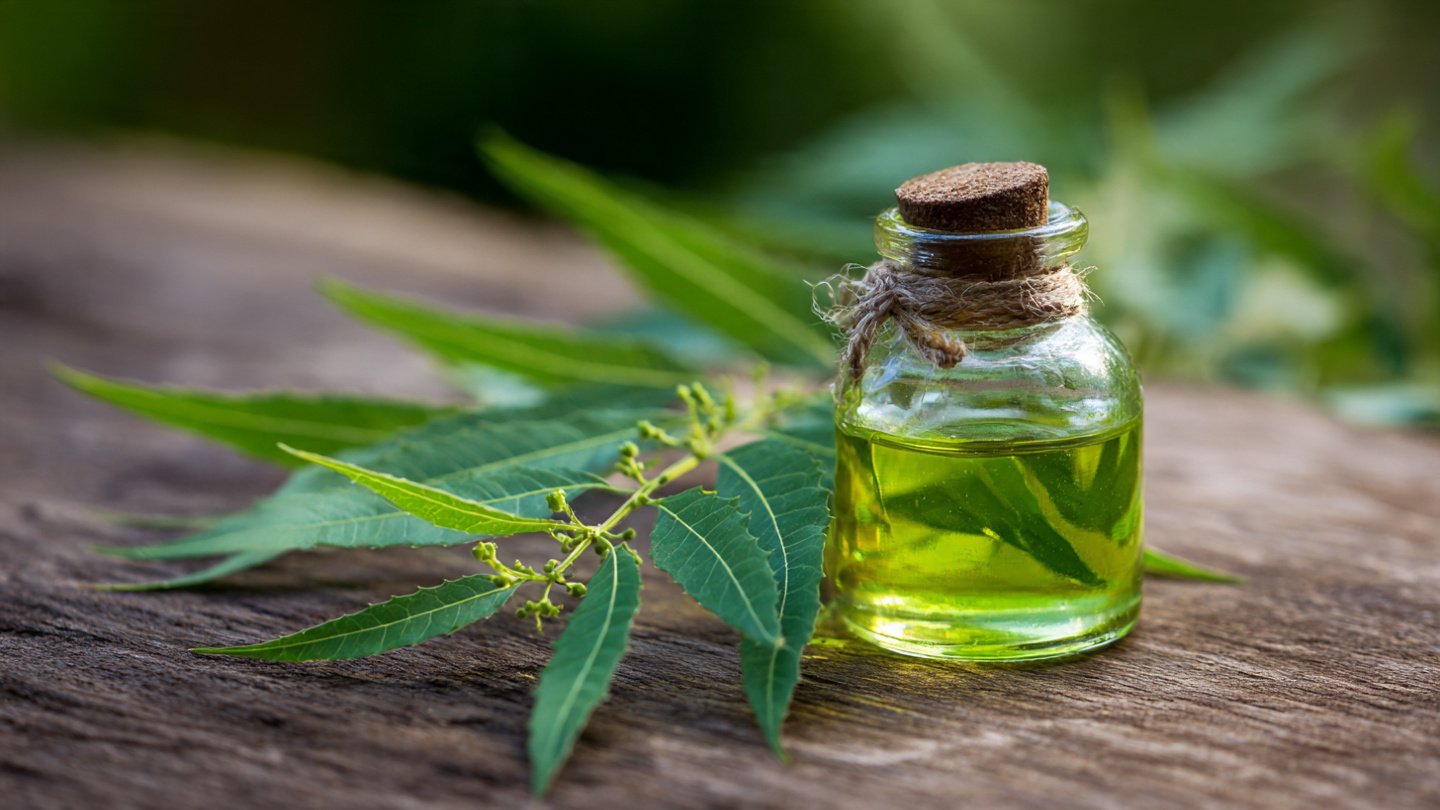
Gardening can be incredibly rewarding, but it also comes with its fair share of challenges, particularly when it comes to dealing with pests and diseases. One natural remedy that has gained significant attention in recent years is neem oil. Extracted from the seeds of the neem tree (Azadirachta indica), this oil has been used for centuries in various cultures for its medicinal and agricultural benefits. In this article, we will explore why using neem oil weekly as a garden spray can be a game-changer for your plants.
Understanding Neem Oil
Neem oil is a natural pesticide that contains a variety of compounds known as azadirachtin, which disrupt the life cycle of pests. Beyond its pest control properties, neem oil has antifungal and antibacterial properties, making it a versatile choice for maintaining a healthy garden. It is biodegradable and non-toxic to beneficial insects when used correctly, making it safer for the environment compared to synthetic pesticides.
The Benefits of Using Neem Oil Weekly
Regular weekly applications of neem oil can provide numerous advantages for your garden. Here are some compelling reasons to incorporate neem oil into your gardening routine:
1. Effective Pest Control
Neem oil acts as a repellent and disrupts the feeding and breeding of various garden pests, including:
- Aphids
- Spider mites
- Whiteflies
- Thrips
- Caterpillars
By applying neem oil weekly, you can prevent infestations before they become overwhelming, allowing your plants to thrive.
2. Disease Prevention
Neem oil has antifungal properties that can help prevent and control common garden diseases such as:
- Powdery mildew
- Downy mildew
- Black spot
- Leaf blight
Regular application can create a protective barrier on the foliage, reducing the likelihood of fungal infections.
3. Safe for Beneficial Insects
Unlike synthetic pesticides, neem oil is less harmful to beneficial insects such as ladybugs, bees, and spiders. When applied correctly and at appropriate times, neem oil targets specific pests while allowing beneficial organisms to flourish, thus promoting a healthy ecosystem in your garden.
4. Organic and Eco-Friendly
Neem oil is a natural product, making it an eco-friendly option for pest and disease management. It is biodegradable and does not leave harmful residues in the soil or on plants. By using neem oil, you contribute to a sustainable gardening practice that is better for the environment.
5. Versatility in Application
Neem oil can be used on a wide variety of plants, including vegetables, fruits, flowers, and shrubs. Its versatility makes it an excellent choice for all types of gardens, from home vegetable patches to ornamental flower beds. Additionally, it can be used as a preventative measure or as a treatment for existing issues.
6. Cost-Effectiveness
When compared to synthetic pesticides and fungicides, neem oil is often more cost-effective. A small amount goes a long way, making it an economical choice for many gardeners. It also reduces the need for multiple treatments and products, simplifying your gardening routine.
How to Use Neem Oil Weekly
To maximize the benefits of neem oil, it’s essential to use it correctly. Here’s a step-by-step guide on how to incorporate neem oil into your gardening routine:
Step 1: Choose the Right Product
Look for pure neem oil or products specifically formulated for gardening that state they are safe for plants. Avoid products with additional synthetic chemicals.
Step 2: Dilute Properly
Neem oil is concentrated, so it must be diluted with water before application. A common ratio is 1-2 tablespoons of neem oil per gallon of water. Adding a few drops of dish soap or a surfactant will help the oil mix well with water.
Step 3: Timing
Apply neem oil during the early morning or late evening when temperatures are cooler to prevent leaf burn. Avoid applying it in direct sunlight.
Step 4: Application
Use a spray bottle or garden sprayer to apply the neem oil solution to the affected areas of your plants, coating both the tops and undersides of the leaves. Ensure thorough coverage for maximum effectiveness.
Step 5: Frequency
For best results, apply neem oil weekly or bi-weekly. In cases of severe infestations or noticeable diseases, it may be necessary to apply it more frequently until you see improvement.
Conclusion
Incorporating neem oil into your gardening routine as a weekly spray can offer numerous benefits, from effective pest management to disease prevention. Its organic, eco-friendly nature makes it a valuable tool for both amateur and experienced gardeners alike. By taking the time to use neem oil correctly, you can maintain a thriving, healthy garden that is safe for both the environment and beneficial insect populations. Enjoy the wonders of gardening without the harsh chemicals!
FAQs
1. Is neem oil safe for all plants?
Neem oil is generally safe for most plants, but it is always best to test on a small area first, especially with sensitive species.
2. Can neem oil harm beneficial insects?
No, neem oil is less harmful to beneficial insects when applied correctly and at the right time. It is crucial to apply it during the evening or early morning to minimize exposure to pollinators.
3. How long does neem oil last on plants?
Neem oil can last on plant surfaces for about 2-7 days, depending on weather conditions like rain and sunlight. It’s advisable to reapply after rainfall.
4. Can neem oil be mixed with other products?
Avoid mixing neem oil with synthetic pesticides or fertilizers, as this may reduce its effectiveness. Stick to mixing it with water and a mild soap.
5. Are there any side effects to using neem oil?
When used correctly, neem oil is generally safe. However, high concentrations might cause leaf burning, so always dilute it properly.