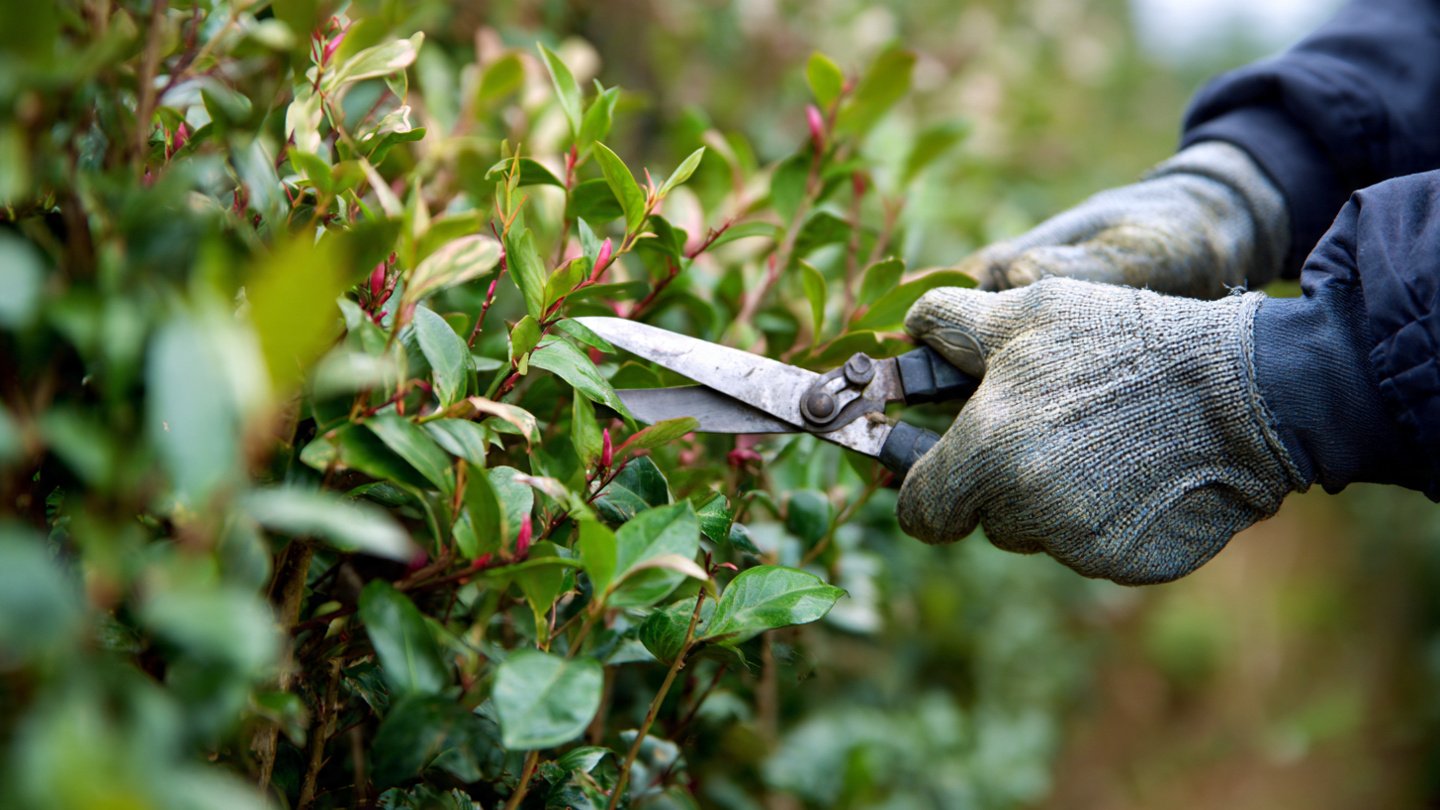
Pruning is often regarded as a daunting task for many gardeners and homeowners. The idea of cutting back healthy-looking branches can be counterintuitive. However, understanding why pruning your shrubs leads to increased growth can transform your approach to garden care. This article dives into the science and art behind pruning, elucidating how and why this practice encourages more robust and healthy plant development.
The Basics of Shrub Biology
Before delving into the benefits of pruning, it’s essential to grasp the basic biology of shrubs. Shrubs, like all plants, rely on photosynthesis to fuel their growth. Leaves absorb sunlight and, through a series of biochemical processes, convert it into energy. This energy is vital for supporting various functions, including growth, flowering, and reproduction.
As shrubs grow, some parts may become denser than others. Over time, this can lead to a couple of challenges:
-
Light Limitation: If growth is too dense, some inner leaves may receive insufficient sunlight, which can stifle their ability to photosynthesize effectively.
-
Increased Competition: A shrub can also compete with itself. When multiple shoots or branches vie for the same resources, overall growth can be hampered.
-
Poor Air Circulation: Dense foliage can trap moisture, making the plant more susceptible to diseases and pest infestations.
Pruning helps alleviate these issues, ultimately leading to healthier and more vigorous shrubs.
The Science Behind Pruning
Pruning is not merely a matter of aesthetic concerns; it is deeply rooted in plant physiology and can lead to genuinely beneficial outcomes. Here are some fundamental principles that explain how pruning induces growth:
1. Promoting New Growth
When a branch is cut, it stimulates the plant to respond by producing new growth, particularly in lateral buds. This phenomenon occurs because the plant focuses its resources on the remnants of the shrub, aiming to replace what has been lost. The removal of older growth redirects energy toward younger, healthier parts of the plant, enhancing overall vitality.
2. Enhancing Branch Structure
Pruning can help in shaping the shrub, allowing for better air circulation and light penetration. This increased exposure means that more leaves can engage in photosynthesis, which accelerates growth. Additionally, a well-structured shrub is less prone to breakage and damage, ensuring longevity.
3. Stimulating Hormonal Response
When pruning occurs, it triggers a change in the plant’s hormonal balance. The removal of tips or branches stimulates the production of auxins and cytokinins—hormones that promote growth and cell division. The shift in hormonal levels encourages lateral buds to break dormancy and flourish.
4. Reducing Stress
Shrubs can experience stress from an overabundance of foliage. By pruning away excess branches, you reduce the stress load on the plant. A less stressed shrub can put more energy toward growth and health, rather than mere survival.
The Benefits of Pruning
Now that we understand the mechanisms at play, let’s explore the tangible benefits of pruning shrubs.
1. Improved Air Circulation
As mentioned, pruning increases airflow within the shrub. This reduction in humidity can help minimize the risk of fungal diseases and infestations – a crucial aspect of keeping your plant healthy.
2. Increased Sunlight Exposure
With a more open structure, more leaves can access sunlight, optimizing their photosynthetic potential. This increased exposure leads to more energy being converted into growth, resulting in a denser and healthier canopy.
3. Encouraging Flower and Fruit Production
Pruning is not merely for the sake of growth; it can also enhance a shrub’s ability to produce flowers and fruits. Many flowering shrubs benefit significantly from pruning, yielding more blooms in the subsequent seasons.
4. Aesthetic Appeal
Beyond the physiological benefits, pruning enhances the overall appearance of your shrubs. A well-manicured shrub is visually appealing and can improve the aesthetics of your entire landscape.
5. Longevity
Regular pruning can extend the life span of your shrubs. Removing dead or diseased wood prevents the spread of infection and encourages new, healthy growth.
When to Prune Your Shrubs
The timing of pruning can have a significant impact on the outcome. Generally, shrubs can be categorized into two groups based on their blooming cycles: spring-blooming and summer-blooming.
1. Spring-Blooming Shrubs
These shrubs, such as lilacs and forsythia, produce blossoms on old wood. To avoid removing potential flowers, prune them immediately after they bloom, allowing for new growth in the season ahead.
2. Summer-Blooming Shrubs
These include species like butterfly bushes and roses, which bloom on new wood. These can typically be pruned in late winter or early spring before the growth begins, stimulating vibrant new blooms.
Tools for Effective Pruning
To ensure proper and effective pruning, it’s essential to use the right tools. Here are some recommendations:
-
Pruning Shears: Ideal for small branches and precise cuts. Look for a pair with a sharp blade for clean cuts.
-
Loppers: Suitable for thicker branches, providing greater leverage.
-
Saws: For larger shrubs with thick branches, a handsaw or a power saw can be useful.
-
Gloves: Protect your hands from thorns and rough branches.
-
Ladder: For tall shrubs, ensure safety equipment is in place.
Best Practices for Pruning
-
Assess Before You Cut: Take time to evaluate the shrub and determine what needs to be pruned. Look for dead or diseased branches, those crossing over, or those that compete with the main structure.
-
Make Clean Cuts: Use sharp tools to avoid damaging the plant. Jagged cuts can lead to disease and rot.
-
Prune with Purpose: Aim to achieve a balanced structure, focusing on removing about one-third of the shrub if necessary without compromising its health.
-
Follow the Rules of Thumb: Remove branches that are diseased, dead, crossing, or growing inward.
Common Mistakes to Avoid
Pruning can be a sensitive task. Here are some common mistakes to steer clear of:
-
Over-Pruning: Less is often more. Removing too much can shock the plant and inhibit growth.
-
Wrong Timing: Pruning at the wrong time can lead to loss of flowers or fruit.
-
Neglecting Tools: Using blunt or inappropriate tools can cause more harm than good, leading to injury or disease.
-
Ignoring Disease Indicators: Always maintain vigilance for signs of disease before making cuts to prevent further spread.
Conclusion
Pruning is an essential practice for maintaining healthy and vigorous shrubs. The benefits of pruning go beyond mere aesthetics; they encompass improved growth, increased flower production, enhanced resilience, and extended longevity. By understanding the science behind pruning and adopting best practices, you can create a thriving landscape that mirrors your gardening aspirations. Embrace the art of pruning, and witness how it encourages growth—a living testament to nature’s beauty and resilience.