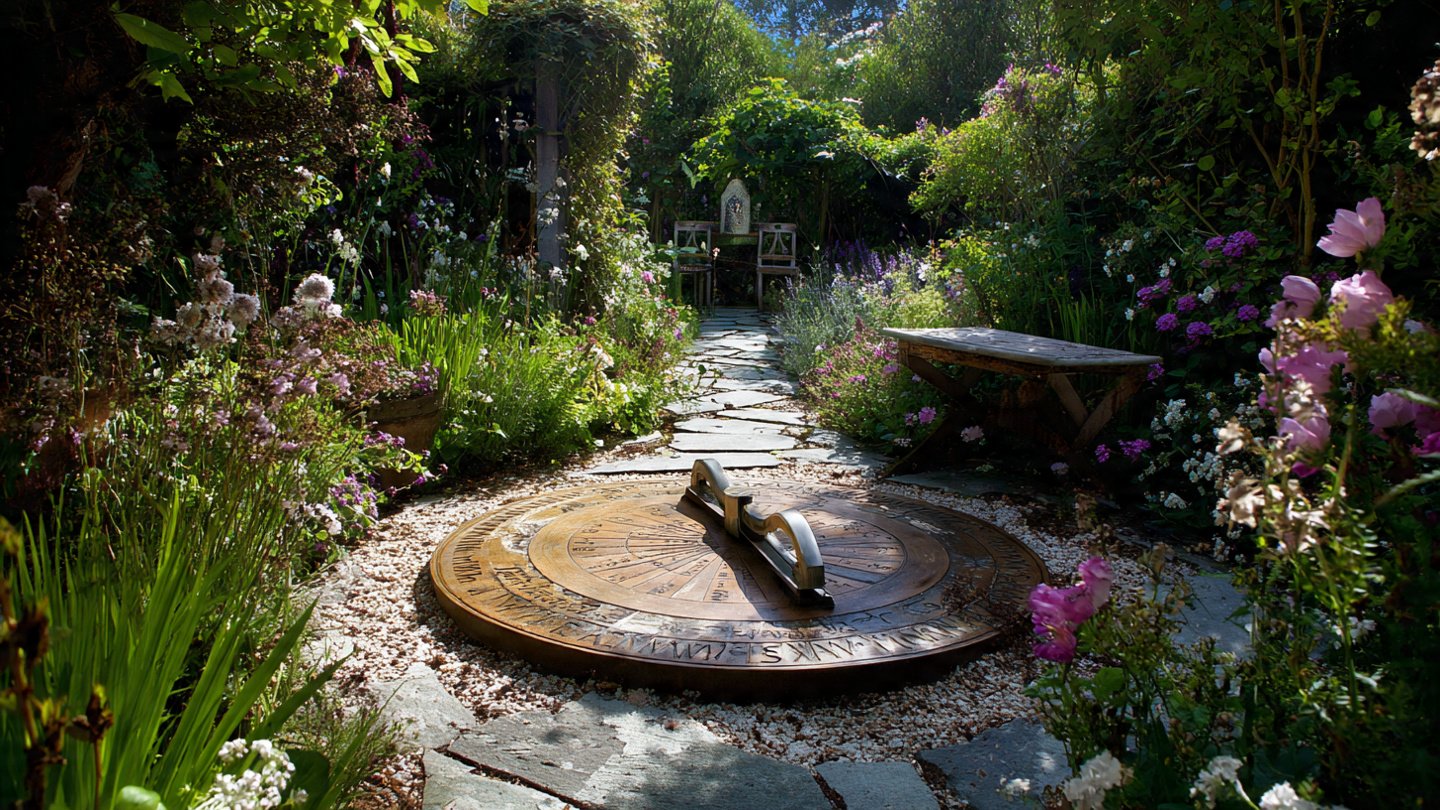
A sundial is a timekeeping instrument that has fascinated gardeners and outdoor enthusiasts for centuries. While modern clocks and digital devices dominate our daily routines, the timeless charm and functionality of a sundial remain unmatched, especially in a garden setting. Understanding why your garden would benefit from the addition of a sundial involves exploring its historical significance, practical applications, aesthetic appeal, and unique educational opportunities it offers.
Historically, sundials are among the oldest known devices used for measuring time. Ancient civilizations such as the Egyptians, Greeks, and Romans utilized sundials to track the movement of the sun across the sky. These instruments were essential for agricultural societies that relied heavily on the changing seasons and daylight hours. Farmers could determine the best times for planting, harvesting, and other agricultural tasks, significantly enhancing their productivity and efficiency. Today, incorporating a sundial into your garden can serve as a nod to this rich history, creating a connection between past agricultural practices and modern gardening.
One of the primary reasons to consider adding a sundial to your garden is its practical function in marking sunny hours. As an outdoor space, your garden thrives on sunlight. Different plants have varying sunlight requirements, and understanding these needs is crucial for successful gardening. A sundial can help you monitor sun exposure in specific areas of your garden, allowing you to determine where different plants will flourish best based on their sunlight needs.
For instance, if you notice that certain sections of your garden receive sunlight for most of the day, these areas may be suitable for sun-loving plants like tomatoes, peppers, or lavender. Conversely, shadier spots can accommodate plants that thrive in partial sunlight, such as ferns or hostas. This knowledge helps in strategically planning your garden layout, maximizing space, and ensuring that each plant receives the appropriate light it requires for healthy growth.
Furthermore, a sundial can also facilitate an appreciation for the natural rhythms of the garden. In our fast-paced, technology-driven environment, many people lose touch with the natural world and its cycles. A sundial serves as a gentle reminder of these cycles, encouraging gardeners to develop a deeper connection with their outdoor spaces. When you check the time on a sundial, you not only become aware of the hour but also of the position of the sun in the sky and the effect of time on your garden.
One of the unique aspects of a sundial is its ability to engage your senses. Watching shadows move across the dial as the sun traverses the sky is a visually appealing experience. The slow, rhythmic motion of the sun can be a source of tranquility in a chaotic world. This sensory engagement reinforces the notion that gardening is not only about the end product—flowers, vegetables, or herbs—but also about the journey, the experience, and the mindfulness of being present in the moment.
In addition to its practical and aesthetic advantages, a sundial can also serve as an educational tool, particularly for families with children. In an age where children often interact with screens more than nature, introducing them to a sundial can spark curiosity and foster an understanding of the sun’s role in our environment. It presents a tangible way to learn about astronomy, clocks, and the physics of time-keeping. You could even engage in activities like measuring shadows at different times of the day or during different seasons, which would enhance their understanding of solar movements and the passing of time.
Installing a sundial in your garden can also ignite conversations about environmental awareness. Encourage discussions about the importance of sunlight for photosynthesis and how different climates affect plant growth. Observing changes in daylight throughout the seasons can lead to insightful dialogues about climate change and its effects on our gardens and ecosystems.
Moreover, the presence of a sundial can enhance the overall aesthetic of your garden. Whether you opt for a modern design or a classic style, a sundial can serve as a focal point, drawing the eye and adding interest to your landscape. Many sundials are crafted from durable materials like bronze, brass, or stone, making them not only functional but also a beautiful piece of art. This decorative element can complement the surrounding plants, flowers, and garden features, enhancing the pleasure of being in the space.
In a world where many people seek solace and tranquility in nature, a sundial can transform a garden into a sanctuary. It encourages you to slow down and appreciate the beauty and simplicity of the outdoors. Watching the shadows shift can remind you to take time for yourself, to breathe, and to connect with the earth. This connection fosters a sense of peace, making your garden a perfect escape from the stresses of daily life.
Practical considerations often drive decisions in gardening. Similarly, the placement of a sundial is not merely an aesthetic choice; it should be strategically considered as well. To function correctly, a sundial must be positioned to receive direct sunlight for most of the day, which typically means placing it in an unobstructed area. Before settling on a location, observe your garden at different times of the day to identify the sunniest spots.
The orientation of the sundial is also vital. In the Northern Hemisphere, sundials should be positioned with the gnomon (the part of the sundial that casts the shadow) pointing north. This alignment ensures that the sundial accurately reflects the local time according to the sun’s path. For those in the Southern Hemisphere, the gnomon should point to the south. This careful placement ensures that your sundial remains an accurate time-telling device throughout the year.
In addition to serving its primary function of marking sunny hours and acting as a tool for timekeeping, a sundial can also inspire creativity and personalization. Gardeners can decorate their sundials or craft custom designs that align with their personal aesthetics. Whether you choose to paint it, add embellishments, or incorporate inscriptions that resonate with you, personalizing your sundial can make it an even more cherished part of your garden.
Engaging your community through gardening often leads to a greater appreciation of nature and time. If you live in an area where neighbors share similar interests, consider creating a community garden that includes a sundial. This collective effort can encourage discussions about gardening practices, time management in gardening, and can foster a sense of unity as you all gather around it to appreciate the beauty of nature together.
As we navigate an increasingly digital world, the sundial encourages a return to the natural ways of understanding time that have persisted through millennia. It reminds us of the connection between time, nature, and the cultivation of gardens—a relationship that is deeply ingrained in human history. Each hour marked by the sundial encompasses the sun’s journey, reminding us of the cycles of day and night, growth and rest, life and regeneration.
The decision to introduce a sundial into your garden goes beyond aesthetic appeal or historical curiosity. It is an opportunity to deepen your relationship with nature, enhance your gardening practice, and cultivate a sense of mindfulness rooted in the natural world. By marking sunny hours, a sundial becomes a bridge connecting the ebb and flow of time with the vibrant life flourishing in your outdoor space. Each glance at the sundial invites you to pause, reflect, and connect with the rhythmic dance of nature that continues, regardless of our busy lives.