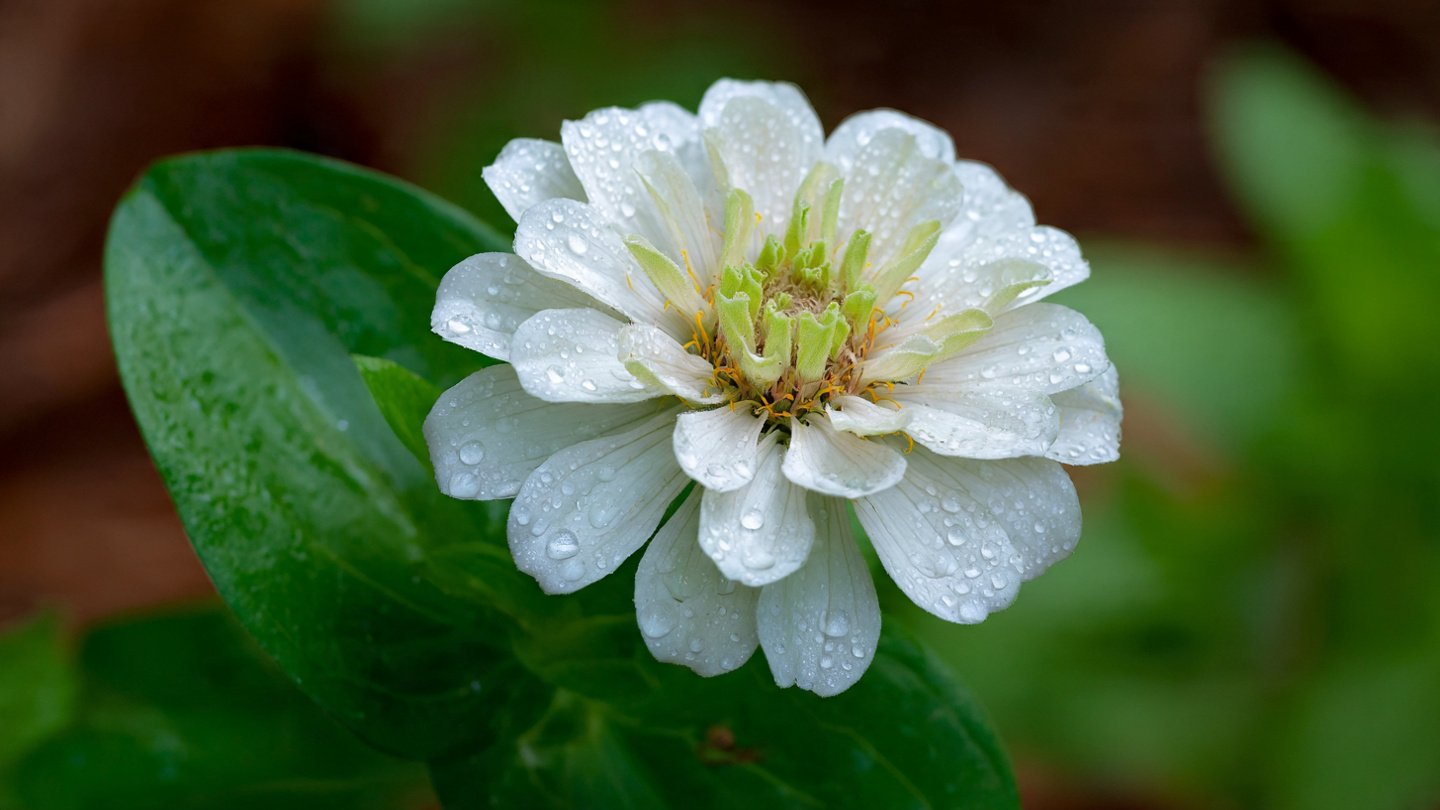
Zinnias are vibrant, hardy flowers that can brighten any garden. However, they are not immune to pests and diseases which can manifest as white spots on their leaves. Identifying the causes of these white spots is crucial for keeping your zinnias healthy and flourishing. This article will delve into the various reasons behind the appearance of these unsightly spots.
1. Powdery Mildew
One of the most common causes of white spots on zinnia leaves is powdery mildew, a fungal disease characterized by a white, flour-like coating on the leaf surfaces. It thrives in warm, dry conditions, especially when there is insufficient air circulation. The symptoms of powdery mildew include:
- White patches that resemble flour on the upper leaf surfaces.
- Yellowing leaves that may eventually turn brown and drop.
- Stunted growth and reduced flowering.
To manage powdery mildew, ensure adequate spacing between plants for air circulation, avoid overhead watering, and consider applying fungicides specifically designed for this condition.
2. Spider Mites
These tiny pests are another culprit behind white spots on zinnia leaves. Spider mites suck the sap from plants, causing tiny white or yellow flecks on the foliage. Other signs of spider mite infestation include:
- Fine webbing on the undersides of leaves.
- Leaves that appear stippled or damaged.
- Overall decline in the health of the plant.
To control spider mites, you can spray a strong jet of water on affected plants to wash them off, introduce natural predators like ladybugs, or use miticides that target these pests specifically.
3. Fungal Infections
In addition to powdery mildew, zinnias can be susceptible to other fungal infections. Leaf spots caused by various fungal pathogens may appear as white, brown, or black spots, depending on the specific type of fungus. Common fungal conditions include:
- Botrytis blight: causes brown or gray spots with potential white fuzzy growth.
- Leaf spot diseases: these may start as white spots that eventually turn brown and necrotic.
Proper sanitation, removing plant debris, and applying fungicides can help combat these fungal infections.
4. Sun Scald
Sun scald can also lead to white patches on zinnia leaves, especially after prolonged exposure to intense sunlight. This condition occurs when sensitive leaves become bleached or scorched. Signs of sun scald include:
- White, sunburnt patches on leaves.
- Leaves that may curl or become crispy.
- Poor overall plant vigor.
To prevent sun scald, cultivate zinnias in locations where they receive partial shade during the hottest parts of the day, especially in hotter climates.
5. Improper Watering Techniques
Improper watering can lead to various issues, including white spots on zinnia leaves. Overhead watering can promote fungal diseases, while underwatering can stress the plants, making them more susceptible to pests and diseases. Here are some signs of poor watering practices:
- Wilting or drooping leaves due to lack of water.
- Dark, water-soaked spots on leaves caused by overwatering.
- Stress symptoms such as leaf curling or yellowing.
To ensure healthy zinnias, water them at the base early in the morning or late in the afternoon to prevent leaf wetness during the hottest parts of the day.
6. Nutrient Deficiencies
Nutrient deficiencies can manifest in various ways, including white spots on zinnia leaves. Deficiencies in nutrients like nitrogen, potassium, or magnesium can lead to chlorosis or other discolorations. Symptoms typically include:
- Yellowing of leaves with possible white spots or patches.
- Stunted growth and reduced flowering.
A soil test can help identify nutrient deficiencies, and appropriate fertilization can rectify the issue.
7. Environmental Stress
Environmental stressors such as extreme temperatures, humidity fluctuations, and pollution can weaken zinnias and make them susceptible to white spots. Plants under stress may exhibit:
- White spots or patches due to leaf burn or damage.
- Poor growth and increased vulnerability to diseases and pests.
To mitigate environmental stress, provide a stable environment through proper care and choosing resistant zinnia varieties suited for your climate.
Conclusion
White spots on zinnia leaves can be caused by various factors ranging from pests and diseases to environmental stress and improper care. Identifying the underlying cause is crucial for effective treatment and maintaining healthy, flourishing plants. Regular monitoring, proper cultural practices, and timely intervention can help prevent these issues from escalating. By understanding the conditions that contribute to white spots, gardeners can ensure their zinnias remain vibrant and healthy throughout the growing season.
FAQs
Q1: Are white spots on zinnia leaves harmful?
A1: It depends on the cause. Some issues may lead to significant harm, while others may be harmless. Identifying the cause will guide your response.
Q2: Can I use home remedies to treat white spots?
A2: Yes, some home remedies like a solution of soap and water can help manage pests. However, severe cases may require specialized treatments.
Q3: How can I prevent white spots on zinnia leaves?
A3: Proper care, including good spacing for air circulation, appropriate watering techniques, and monitoring for pests or diseases, can help prevent white spots.
Q4: Is it necessary to remove affected leaves?
A4: Yes, removing infected leaves can help prevent the spread of diseases and pests, promoting overall plant health.
Q5: Can Zinnias recover from white spots?
A5: Yes, with appropriate treatment and care, zinnias can recover from white spots and thrive again.