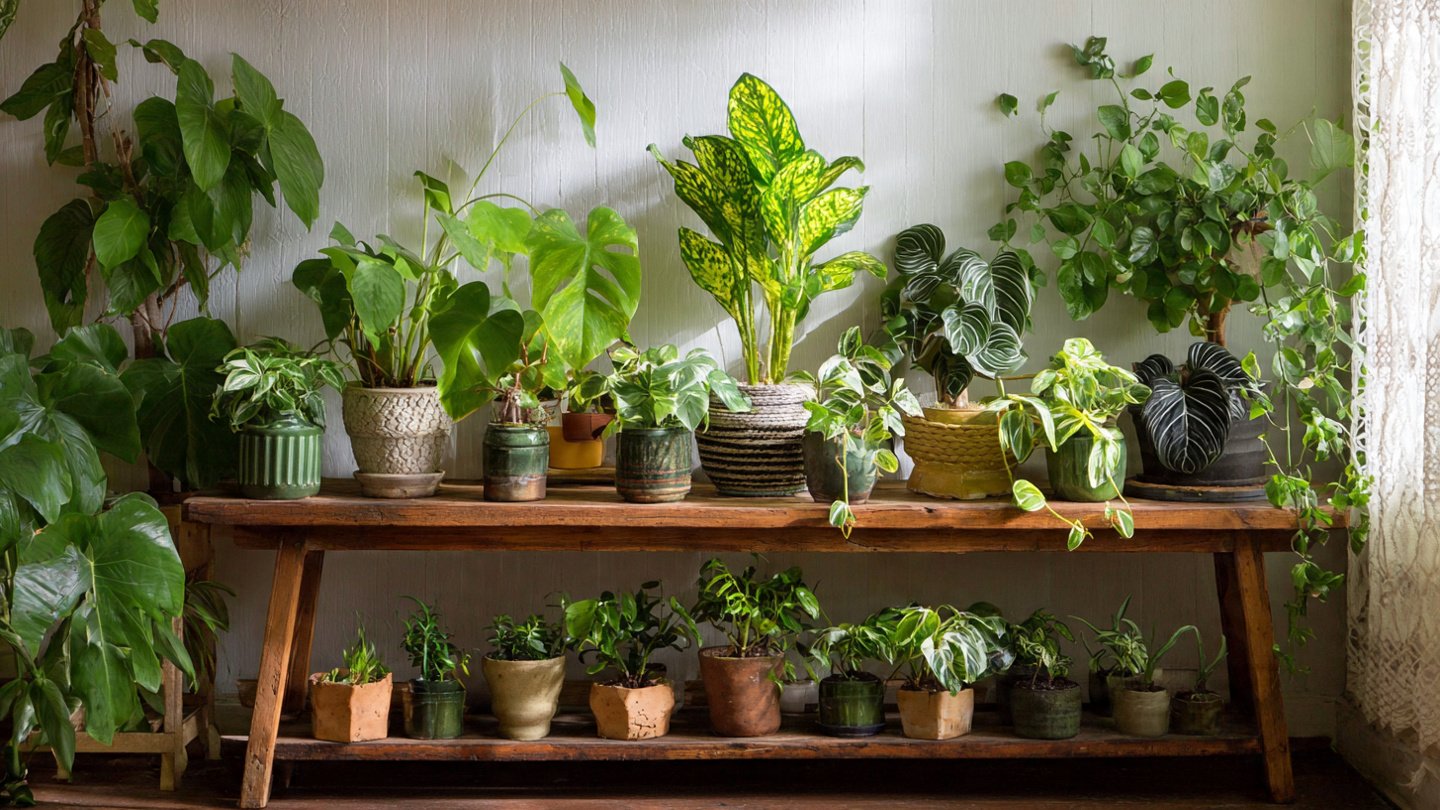
Tropical plants are beloved for their lush foliage, vibrant flowers, and exotic appeal. Propagation is the process of creating new plants from existing ones, allowing enthusiasts to expand their collection or share their favorite species with others. Following specific techniques for propagation can increase your success rate and lead to thriving new plants.
Choosing the Right Plants for Propagation
Different tropical plants have different propagation methods. Before you begin, it is helpful to understand which plants are best suited for propagation. Popular options include:
- Monstera Deliciosa: Known for its unique leaves, this plant can be easily propagated from cuttings.
- Pothos: A hardy plant that thrives in various conditions, it propagates readily in water or soil.
- Ficus Elastica: Also known as the rubber plant, it can be propagated from stem cuttings.
- Philodendron: Many species of Philodendron can be grown from either stem or leaf cuttings.
Methods of Propagation
There are several methods for propagating tropical plants, such as cuttings, division, and air layering. Each method has its advantages and suitable plant types.
1. Cuttings
The most common method, cuttings involves snipping a section of the plant. This can be a stem, leaf, or root section, depending on the species:
- Choose the Right Cutting: Look for healthy growth, preferably a segment with several leaves.
- Make the Cut: Use a clean, sharp knife or scissors to make a clean cut below a leaf node, which will encourage rooting.
- Prepare the Cutting: Remove excess leaves from the lower part to avoid rot. You can also dip the cut end in rooting hormone to enhance root development.
- Plant the Cutting: Place the cutting in either water or a suitable potting mix, ensuring that at least one node is buried.
- Provide Adequate Conditions: Place the pot or container in a warm, humid environment with indirect sunlight. Mist the cutting regularly to maintain humidity.
2. Division
Division involves separating a plant into multiple sections, each containing roots and shoots. This method is best for clumping tropical plants:
- Remove the Plant: Gently remove the plant from its pot or ground.
- Divide the Root Ball: Use a sterilized knife to cut the root ball into sections with at least one growth point each.
- Replant Sections: Replant the divided sections in individual pots, ensuring that they are at the correct depth.
- Water and Care: Water thoroughly and provide similar high humidity and light conditions as you would for cuttings.
3. Air Layering
This advanced technique allows for propagating larger plants while they remain rooted:
- Select a Branch: Choose a healthy branch to propagate.
- Prepare the Branch: Gently remove a section of bark from the branch and wrap it in moist sphagnum moss.
- Wrap with Plastic: Use plastic wrap to hold the moss in place, preventing it from drying out.
- Wait for Roots: After a few weeks to months, roots should develop in the moss. Check regularly to ensure the moss remains moist.
- Cut and Plant: Once sufficient roots have formed, cut the branch below the new root system and transplant it into a pot.
Maintaining New Plants
After propagating your tropical plants, providing them with proper care is crucial to their survival.
- Humidity: Tropical plants thrive in humidity. Use a humidifier or mist regularly to maintain an ideal atmosphere.
- Light: Provide bright, indirect light as many tropical plants can suffer from direct sun exposure.
- Water: Keep the soil consistently moist but not soggy, allowing the top inch to dry before watering again.
- Fertilizer: Use a balanced liquid fertilizer every 4-6 weeks to promote healthy growth.
Common Mistakes to Avoid
Even experienced plant enthusiasts can make mistakes while propagating tropical plants. Here are a few common pitfalls:
- Overwatering: Too much moisture can lead to root rot. Ensure containers have proper drainage.
- Insufficient Light: While tropical plants prefer bright light, avoid direct sunlight that can scorch the leaves.
- Ignoring Pests: Check for pests regularly and treat any infestations immediately to avoid spreading.
Conclusion
Successfully propagating tropical plants can be a fulfilling endeavor, allowing you to expand your collection while also sharing the beauty of these remarkable species with others. By understanding the essential propagation methods and providing the right care, you can enhance your success rates and enjoy a thriving green oasis in your home.
FAQs
1. How long does it take for cuttings to root?
Rooting can take anywhere from a few weeks to several months depending on the plant species and environmental conditions.
2. Can I propagate tropical plants in water?
Yes, many tropical plants, such as Pothos, can be propagated in water. Ensure to change the water regularly to keep it fresh.
3. What is the best time of year to propagate tropical plants?
The best time for propagation is in the spring or early summer when plants are actively growing.
4. Do I need special tools for propagation?
While basic tools like sharp scissors or knives and pots are necessary, having rooting hormone and moisture-retaining materials can help improve success rates.
5. Can all tropical plants be propagated easily?
While many tropical plants are easy to propagate, some species may require specific methods or can be more challenging. It’s always good to research the particular plant you intend to propagate.