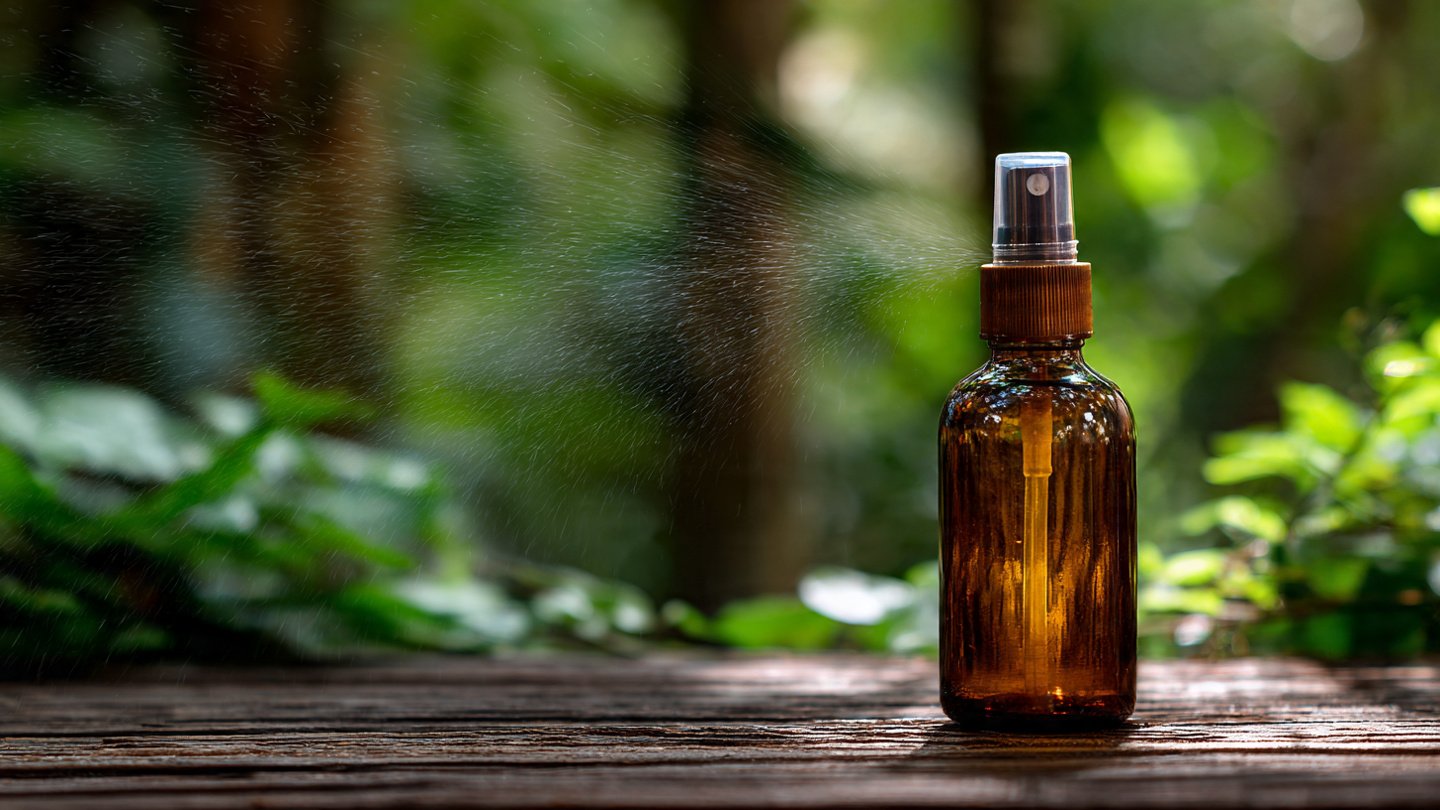
In today’s world, many people are becoming increasingly aware of the harmful effects of chemical insect repellents on both health and the environment. As a result, the search for natural alternatives has surged. Fortunately, you can cultivate your own natural insect repellent at home using easily available ingredients. This article will guide you through the process of creating effective, natural insect repellents while also explaining the benefits and methods of cultivation.
Understanding Insect Repellents
Insect repellents work by masking scents that attract insects, or by emitting smells that deter them. Common commercial repellents contain chemicals such as DEET, which can cause skin reactions and have environmental implications. Natural insect repellents utilize plant-based extracts and essential oils to ward off insects without adverse effects.
Choosing Your Ingredients
When cultivating your own insect repellent, start by choosing from a variety of natural ingredients known for their insect-repelling properties. Here are some popular options:
- Lemon Eucalyptus Oil: Effective against mosquitoes and other flying insects.
- Lavender Oil: Not only aromatic but also repels mosquitoes and moths.
- Peppermint Oil: Has strong scent properties that deter ants and spiders.
- Tea Tree Oil: Provides antibacterial benefits and repels many insects.
- Citronella Oil: Commonly used in candles and sprays, it is well-known for its mosquito-repelling abilities.
Gathering Your Supplies
Here’s what you will need:
- Essential oils (as mentioned above)
- Carrier oil (like coconut or almond oil)
- Witch hazel or vinegar (for sprays)
- Glass spray bottle or roller bottle
- Labels for your mixtures
Step-by-Step Guide to Make Your Own Natural Insect Repellent
1. Essential Oil Dilution
Before applying essential oils directly to the skin, it’s crucial to dilute them. A general guideline is to mix 10–15 drops of essential oil per 2 tablespoons of carrier oil. This allows for safe application, minimizing the risk of skin irritation.
2. Creating a Spray Repellent
To make a versatile spray repellent, follow these steps:
- In a glass spray bottle, combine:
- 2 tablespoons of witch hazel or apple cider vinegar
- 10–15 drops of your choice of essential oils
- Water to fill the bottle
- Shake well to mix the ingredients.
- Label the bottle and store it in a cool, dark place.
- Shake again before each use.
3. Making an Oil-Based Repellent
If you prefer a more concentrated formula, you can create an oil-based repellent:
- In a roller bottle, combine:
- 2 tablespoons of carrier oil
- 10-15 drops of essential oils
- Roll the bottle to mix the ingredients well.
- Apply it to exposed skin areas as needed.
Cultivating Your Own Plants
If you’re interested in a sustainable and long-term solution, consider growing your own insect-repelling plants. Here’s how you can do it:
1. Choosing the Right Plants
Start with plants that have natural insect-repelling properties. Some recommendations include:
- Marigolds: These flowers repel mosquitoes, aphids, and other pests.
- Basil: The essential oil in basil is effective against flies and mosquitoes.
- Mint: Strong aroma repels ants and mosquitoes.
- Lavender: Its scent can deter moths, fleas, and mosquitoes.
2. Planting Tips
To successfully grow your plants:
- Ensure adequate sunlight (most herbs require 6-8 hours a day).
- Use well-draining soil.
- Water appropriately; do not overwater.
- Consider using organic fertilizers to promote healthy growth.
3. Harvesting and Storing
Once your plants are mature, harvest them by cutting the leaves or flowers. Store the harvested parts in a cool, dry place. You can also make your own essential oils using a distillation process if you’re feeling adventurous.
Benefits of Homemade Natural Insect Repellents
Creating your own natural insect repellent offers several advantages:
- Healthier Option: Free from harmful chemicals, making it safe for children and pets.
- Environmental Impact: Homemade repellents have lesser environmental footprints.
- Cost-Effective: Save money over time compared to commercial repellents.
- Personalization: Customize scents and effectiveness based on personal preferences.
Conclusion
Making your own natural insect repellent is a simple, enjoyable process that can enhance your outdoor experience while ensuring safety for you and your loved ones. By using essential oils and cultivating your own plants, you not only keep insects at bay but also embrace a more natural lifestyle. With the added benefit of cost-effectiveness and environmental consciousness, it is clear that natural solutions can be incredibly rewarding.
FAQs
1. How often should I apply the natural insect repellent?
Reapply the repellent every few hours, especially if you are in an area with a high insect activity or if you sweat a lot.
2. Can I mix different essential oils?
Yes, mixing different essential oils can create a more effective and pleasant scent. Just ensure that you follow proper dilution guidelines.
3. Are there any safety precautions I should take?
Always do a patch test on a small area of your skin before full application to check for any allergic reactions.
4. What should I do if I get bitten despite using natural repellents?
If you do get bitten, treat it with a soothing cream or an antihistamine. Essential oils like lavender can also help alleviate itching.
5. Can I use these natural repellents on my pets?
Some natural oils can be safe for pets, but always consult with a veterinarian before applying any products to your pets, particularly dogs and cats.