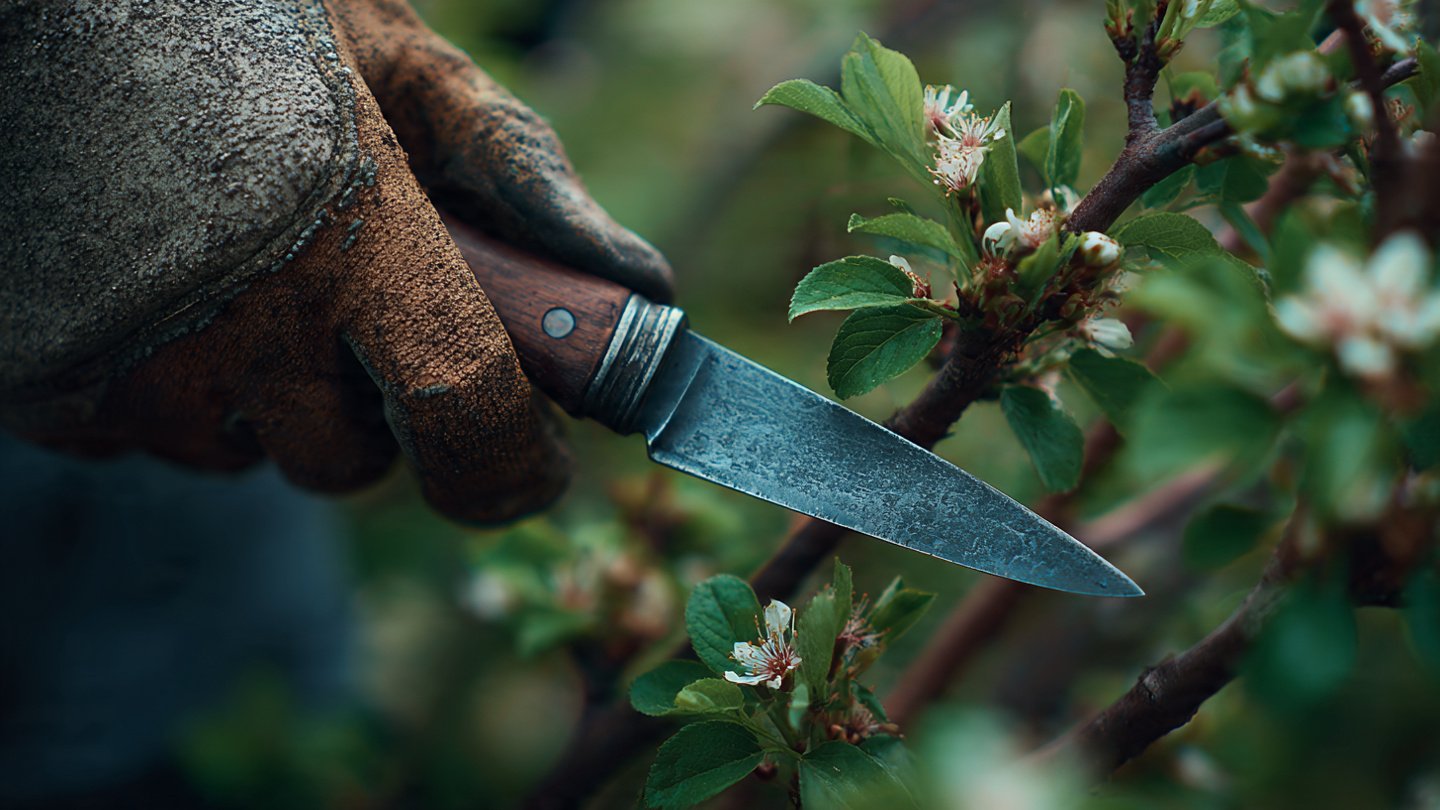
Pruning is an essential practice for maintaining the health, shape, and productivity of plants, whether they’re flowering shrubs, fruit trees, or vegetable gardens. While many gardeners rely heavily on pruning shears and scissors, a garden knife can significantly enhance your pruning technique. This article explores the benefits of using a garden knife, its versatility, and some essential techniques that can deliver profound results.
The Anatomy of a Garden Knife
A garden knife generally features a long, sharp blade, often with a curved edge, and may include a serrated section for cutting through tougher materials. The handle is designed for comfort, providing a secure grip, which is crucial for extended use. Understanding the anatomy of a garden knife helps gardeners appreciate its various applications:
- Blade Length: Allows for both precision and reach, depending on the plant size.
- Curved Edge: Ideal for slicing through stems, leaves, and even roots.
- Serrated Edge: Effective for tough or fibrous materials, such as woody stems.
- Comfortable Handle: Designed to reduce hand fatigue during long gardening sessions.
Advantages of Using a Garden Knife for Pruning
Using a garden knife for pruning has several advantages that can enhance your gardening experience:
1. Precision Cutting
The sharp, pointed blade of a garden knife allows for precision cuts, which are essential for preventing damage to nearby branches or stems. This precision helps maintain the overall health of the plant while achieving desired shapes.
2. Versatility
A garden knife isn’t just for pruning. It can also be used for weeding, digging, and harvesting. This multi-functionality makes it a valuable tool in any gardener’s arsenal, providing the ability to tackle various tasks without switching tools frequently.
3. Reduced Plant Stress
Because garden knives can deliver cleaner cuts compared to some other pruning tools, this means less ragged openings. Cleaner cuts reduce the stress on plants, helping them heal faster while minimizing the chance of disease entering through open wounds.
4. Access to Hard-to-Reach Areas
The elongated design of many garden knives allows gardeners to reach into tight spots where larger tools might not fit. This ease of access is especially beneficial when dealing with dense foliage or intricate plant arrangements.
5. Ergonomic Design
Many garden knives are designed with ergonomics in mind. A comfortable grip can mitigate fatigue in the hands and wrists, making the gardening experience more enjoyable and productive.
Applied Pruning Techniques Using a Garden Knife
To maximize the effectiveness of your garden knife, here are some specific pruning techniques to consider:
1. Deadheading
One of the simplest yet effective ways to enhance flowering plants is through deadheading. Use the pointed tip of the garden knife to cut off spent flowers just above the first set of healthy leaves. This encourages the plant to produce more blooms.
2. Thinning
When plants become overcrowded, thinning is necessary for their health. Use the knife to thin out stems—cutting them back to the base or to the next healthy leaf. This promotes improved air circulation and light exposure for remaining branches.
3. Shaping
For shrubs and hedges, a garden knife can help sculpt and shape plants more precisely. Cutting at various angles can create a natural, flowing form. This is particularly beneficial for ornamental shrubs where aesthetics are key.
4. Slicing Through Roots
If you’re transplanting a plant, a garden knife is invaluable for slicing through roots that may be bound up in the pot. This encourages healthy root growth when replanting.
5. Creating Clean Cuts on Woody Stems
For perennials and shrubs that have woody stems, use the serrated edge of the garden knife to make clean cuts. This method reduces damage to both the stem and the surrounding plant material.
Maintenance Tips for Your Garden Knife
To ensure your garden knife remains effective and long-lasting, regular maintenance is critical:
- Clean After Use: Dirt and sap can accumulate on the blade, so always clean the knife with warm water and soap after each use.
- Sharpen Regularly: A dull blade can make cutting more difficult and less effective. Regularly sharpen your garden knife using a whetstone or a sharpening tool.
- Store Properly: Keep your garden knife in a cool, dry place. Consider using a protective sheath or blade cover to prevent accidental injury and to keep the blade sharp.
- Inspect for Damage: Regularly check the blade for any signs of damage or rust and address issues promptly.
Conclusion
In conclusion, a garden knife can transform your pruning technique by improving precision, versatility, and ease of use. Its ergonomic design enables you to perform various gardening tasks without hand fatigue, while its multi-functional capabilities allow you to tackle a range of activities beyond just pruning. By incorporating a garden knife into your gardening toolkit, you not only enhance your skills as a gardener but also promote the health and beauty of your plants. As you refine your pruning techniques, investing in a quality garden knife can yield significant rewards, making your gardening efforts more productive and enjoyable.
FAQs
1. Can I use a garden knife for other gardening tasks?
Yes, a garden knife is versatile and can be used for tasks other than pruning, including weeding, digging, and harvesting.
2. How often should I sharpen my garden knife?
It’s recommended to sharpen your garden knife every few uses, or as needed, depending on how frequently you use it.
3. What is the best way to clean my garden knife?
Clean your knife with warm soapy water after each use, and dry it thoroughly to prevent rust.
4. Are there specific garden knife brands I should consider?
Look for reputable brands with a good track record in making gardening tools, focusing on quality materials and ergonomic designs.
5. Is it safe to use a garden knife for children?
Garden knives can be sharp and are generally not recommended for children. Always supervise any use of sharp tools around children.