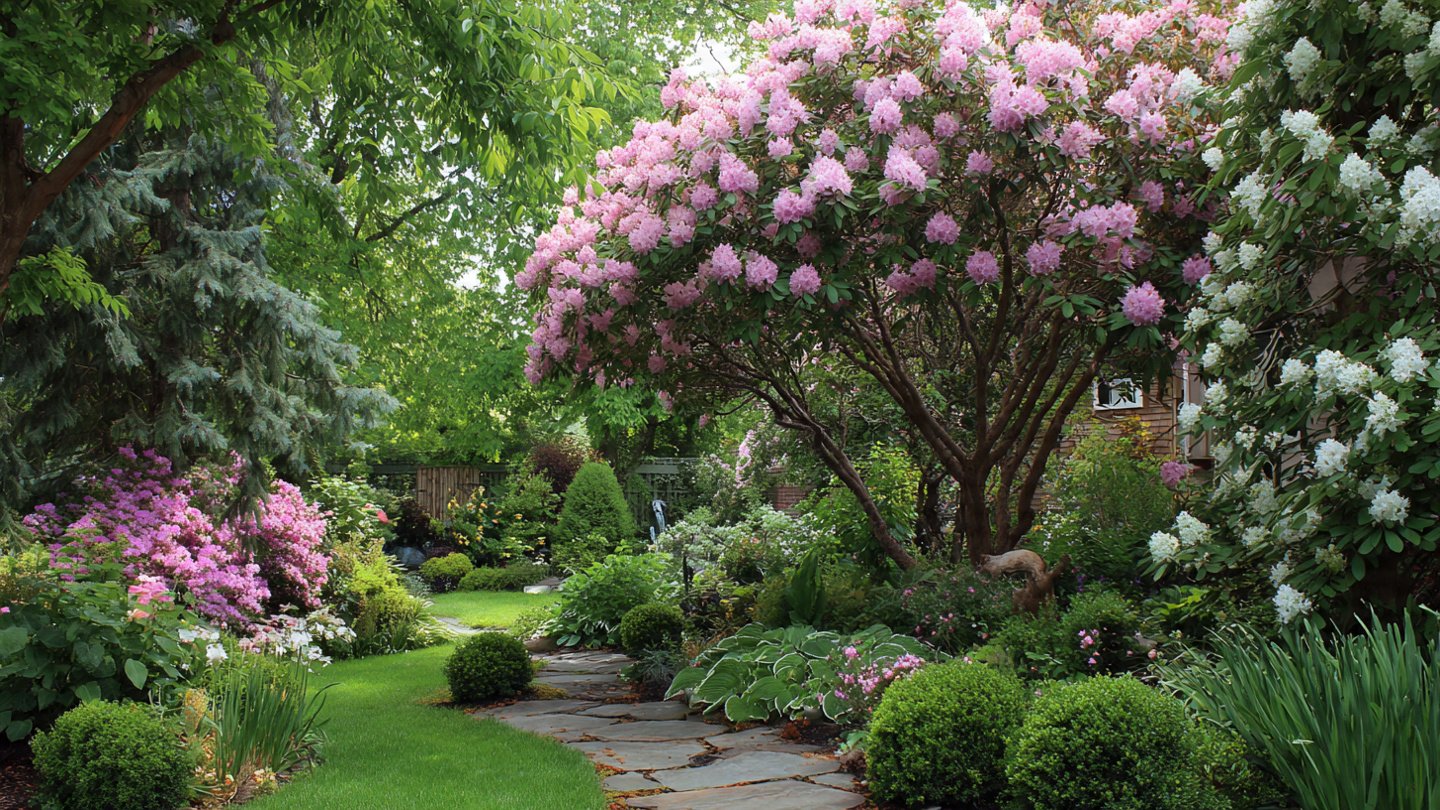
A beautiful garden is a feast for the eyes, a joy to the senses, and a sanctuary for many living creatures. One of the most effective ways to enhance the aesthetic appeal of your garden is through a diverse blooming schedule. By carefully selecting plants that bloom at different times of the year, you can create a vibrant and dynamic garden that thrives throughout the seasons.
The Importance of a Diverse Blooming Schedule
Diversity in a garden doesn’t just pertain to the variety of plant species; it also extends to when those plants bloom. A well-planned blooming schedule ensures that flowers are not only present but also in full bloom at various times throughout the year. Here are several reasons why a diverse blooming schedule is essential:
- Continuous Color: A garden that offers color year-round keeps the visual interest alive, with periods of peak bloom providing a spectacular show.
- Extended Seasonal Interest: Different plants have different bloom periods, and staggered planting extends the period during which your garden is alive with activity.
- Wildlife Habitat: A diversity of flowering plants attracts a wider range of pollinators, promoting a healthy ecosystem.
- Reduced Maintenance: A balanced plant selection can reduce the prevalence of pests and diseases, making your garden easier to maintain.
Factors to Consider for Planning a Blooming Schedule
When planning a diverse blooming schedule, several factors must be taken into account to ensure optimal conditions for each plant.
1. Climate and Zone
Your geographical location significantly influences which plants will thrive. Understanding hardiness zones helps you select suitable species that are more likely to bloom successfully in your garden’s climate.
2. Sunlight and Soil Conditions
Each plant has specific requirements for sunlight and soil type. Consider areas of your garden that receive full sun, partial shade, or full shade, as well as the type of soil (sandy, clay, loamy) to ensure that your plants flourish.
3. Plant Height and Spacing
Planning your plant heights ensures that taller plants don’t overshadow shorter ones. Mixing plant heights can create a visually appealing layered effect and help all plants receive adequate sunlight.
How to Create a Diverse Blooming Schedule
Creating a diverse blooming schedule involves thoughtful planning and awareness of how different plants contribute to your garden’s overall beauty.
1. Research Plants
Research diverse plant species that are known to thrive in your area. Resources like local gardening centers, extension services, and botanical gardens can provide valuable information, including which plants bloom at what times throughout the year.
2. Choose a Variety of Plants
Consider selecting plants from each of the following categories:
- Spring Bloomers: Early bloomers like crocus, daffodils, and tulips awaken the garden from winter’s slumber.
- Summer Blooms: Varieties such as sunflowers, roses, and lavender fill the garden with color during the warm summer months.
- Fall Favorites: Asters, chrysanthemums, and sedums add vibrant hues as the garden transitions into fall.
- Winter Interest: Evergreens and certain ornamental grasses provide structure and texture during the cold months.
3. Plan for Succession Planting
Implementing succession planting can ensure that there’s always something blooming. For instance, planting early, mid, and late-season varieties enables you to enjoy continuous blooms throughout the growing season.
Benefits of a Diverse Blooming Schedule
A diverse blooming schedule not only enhances visual appeal but also promotes a multitude of benefits:
1. Enhanced Aesthetics
By ensuring that different species bloom at various times, your garden will be a captivating tapestry of colors and textures all year round.
2. Garden Longevity and Sustainability
A diverse array of plants typically lowers the risk of pest infestations among species while promoting biodiversity, leading to a more robust garden ecosystem.
3. Psychological Benefits
Gardening has been shown to offer psychological benefits, such as enhancing mood and reducing stress. A garden that blossoms throughout the year provides a sanctuary where one can find peace and rejuvenation.
Maintenance of a Diverse Blooming Schedule
Once you’ve established a diverse blooming schedule, ongoing maintenance is essential to ensure continued success:
- Regular Weeding: Weeds compete for nutrients and light, so consistent weeding can enhance the health of your plants.
- Fertilization: Using organic fertilizers can help support plant growth without compromising soil health.
- Watering: Implementing a regular watering schedule based on weather conditions will benefit all your plants.
- Mulching: Applying mulch can help retain moisture, suppress weeds, and improve soil quality.
Conclusion
Incorporating a diverse blooming schedule into your garden’s design can profoundly impact its beauty and ecological health. By carefully selecting plants that bloom at different times throughout the year, you can create a garden that is not only stunning but also thriving with life. Engaging with nature through a diverse and vibrant garden enhances our quality of life, provides comfort, and fosters community connections. Embrace the art of gardening, and allow your garden to become a masterpiece that transforms with the seasons.
FAQs
1. What are some good plants for spring blooming?
Spring bloomers include crocus, daffodils, hyacinths, and tulips, all of which thrive in early spring conditions.
2. How do I know which plants will thrive in my garden?
Research your local hardiness zone, and consult local gardening centers to find plants suited to your climate.
3. Can I plant perennials and annuals in the same garden?
Yes, combining perennials and annuals offers various bloom times and can enhance the visual appeal of your garden.
4. How should I care for my garden throughout the blooming seasons?
Regular weeding, watering, and fertilizing are essential for maintaining plant health throughout the blooming seasons.
5. What is succession planting?
Succession planting is a technique where plants are sown in intervals to ensure continuous blooms throughout the growing season.