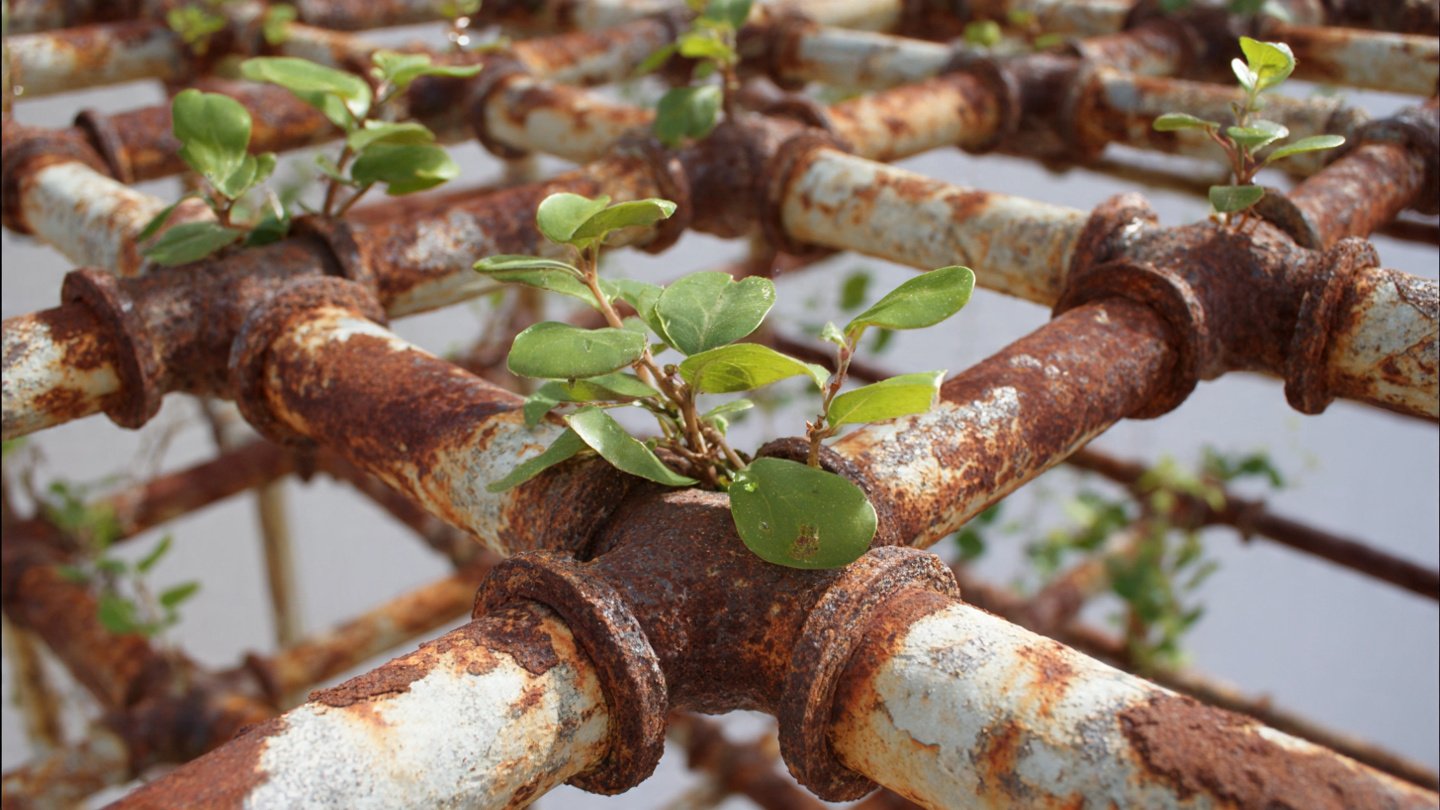
In a world increasingly dominated by modern design, the allure of industrial-style decor has been captivating many. Among the endless possibilities of creative projects, one particularly stands out—a trellis made from old iron pipes. This project not only champions a sustainable approach to DIY but also brings a unique and aesthetic flair to your outdoor or indoor spaces. Let’s delve into why this intriguing transformation should be on your radar.
The Beauty of Industrial Style
Industrial design is characterized by its raw and rugged essence, often utilizing materials such as metal, wood, and concrete. Iron pipes, with their structural integrity and distinct aesthetics, fit perfectly into this design philosophy. By using these materials creatively, you can add a touch of sophistication while retaining an unfinished feel, which is the hallmark of industrial style.
Environmental Impact: A Sustainable Choice
Transforming old iron pipes into a trellis is not just a creative venture; it also promotes sustainability. Instead of discarding these pipes into landfills, repurposing them helps reduce waste. The environmental impact of manufacturing new materials is significant, so choosing to upcycle existing resources is a responsible and commendable choice. This project aligns with the principles of sustainability, making it beneficial for the planet.
Step-by-Step Process of Creating Your Industrial Style Trellis
1. Gather Your Materials
The first step in this creative journey is gathering the necessary materials. You will need:
- Old iron pipes of various lengths
- PVC or cast iron fittings for connections
- A power drill with metal drill bits
- Sandpaper or a wire brush
- Rust-resistant paint (optional)
- A measuring tape
- A level
2. Design Your Trellis
Before you start cutting and assembling, it’s crucial to visualize the design of your trellis. Factors to consider include:
- Dimensions: Decide on the height and width based on your space.
- Shape: Opt for a rectangular or triangular design, or get creative with asymmetrical shapes.
- Functional Purpose: Will your trellis support climbing plants, act as a privacy screen, or serve an artistic purpose?
3. Preparing the Iron Pipes
Once your design is set, it’s time to prepare the pipes. Begin by cleaning them thoroughly to remove rust, debris, or any old paint. Use sandpaper or a wire brush for best results. If you prefer a polished look, consider applying a rust-resistant paint to enhance durability and aesthetics.
4. Assemble the Trellis
With your materials ready, follow your design to start assembling the trellis. Use the PVC or cast iron fittings to connect the pipes securely. Ensure everything is level, as this will contribute significantly to the overall look and stability of the structure. Take your time with this step to ensure a professional finish.
5. Secure the Trellis
After assembly, it’s time to secure your trellis in place. If it’s standing on the ground, consider burying the base pipes a few inches deep to lend stability. Alternatively, you can anchor it to a wall or fence for additional support.
6. Add Plants
Finally, the transformation is complete! Choose climbing plants that suit your climate and aesthetic preferences. Options like clematis, climbing roses, or vines will not only beautify your trellis but also enhance the overall ambiance of your space.
Enhancements and Customizations
Your iron pipe trellis project doesn’t have to end with a basic design. Here are some ideas to personalize it:
- Lighting: Add string lights for evening ambiance.
- Paint: Experiment with different colors to match your home’s decor.
- Additional Shelving: Install shelves between the pipes for potted plants or decorative items.
Creating a Focal Point
An iron pipe trellis can serve as an excellent focal point in your garden or patio. Its unique industrial look can harmonize with various styles—be it modern, rustic, or eclectic. Position it strategically to draw the eye and create visual interest in your outdoor space. Whether as a standalone feature or against a wall, it can transform any area.
Cost-Effective Solution
One of the most appealing aspects of this project is its cost-effectiveness. Iron pipes, especially those reclaimed from old constructions, can often be sourced inexpensively or even obtained for free. Compared to purchasing a pre-made trellis, this DIY approach not only saves money but also delivers a unique, handmade touch that mass-produced options simply cannot match.
Conclusion
Transforming old iron pipes into an industrial-style trellis offers a multifaceted solution to creative expression, sustainability, and functional outdoor decor. It aligns perfectly with today’s growing focus on environmentally friendly practices while providing an opportunity for personal creativity. By engaging in this project, you can not only enhance your space aesthetically but also contribute positively to the environment. So gather your materials, unleash your creativity, and embark on this rewarding venture that may just become the centerpiece of your garden or patio!
FAQs
1. What types of plants are best suited for an iron pipe trellis?
Climbing plants like clematis, climbing roses, and various types of vines are ideal. Choose plants that thrive in your local climate for optimal growth.
2. How much maintenance will my trellis require?
Regular maintenance includes cleaning the pipes and ensuring the plants are healthy. An occasional touch-up of paint may also be necessary to prevent rust.
3. Can I create a trellis without prior DIY experience?
Absolutely! The process can be straightforward, and numerous online resources can provide guidance. Start with a simple design for your first project.
4. What is the lifespan of an iron pipe trellis?
With proper maintenance and protection from rust, an iron pipe trellis can last for many years, making it a durable investment in your outdoor space.
5. Can I paint the iron pipes?
Yes, painting is an excellent way to customize your trellis. Just ensure that you use rust-resistant paint suitable for metal surfaces.