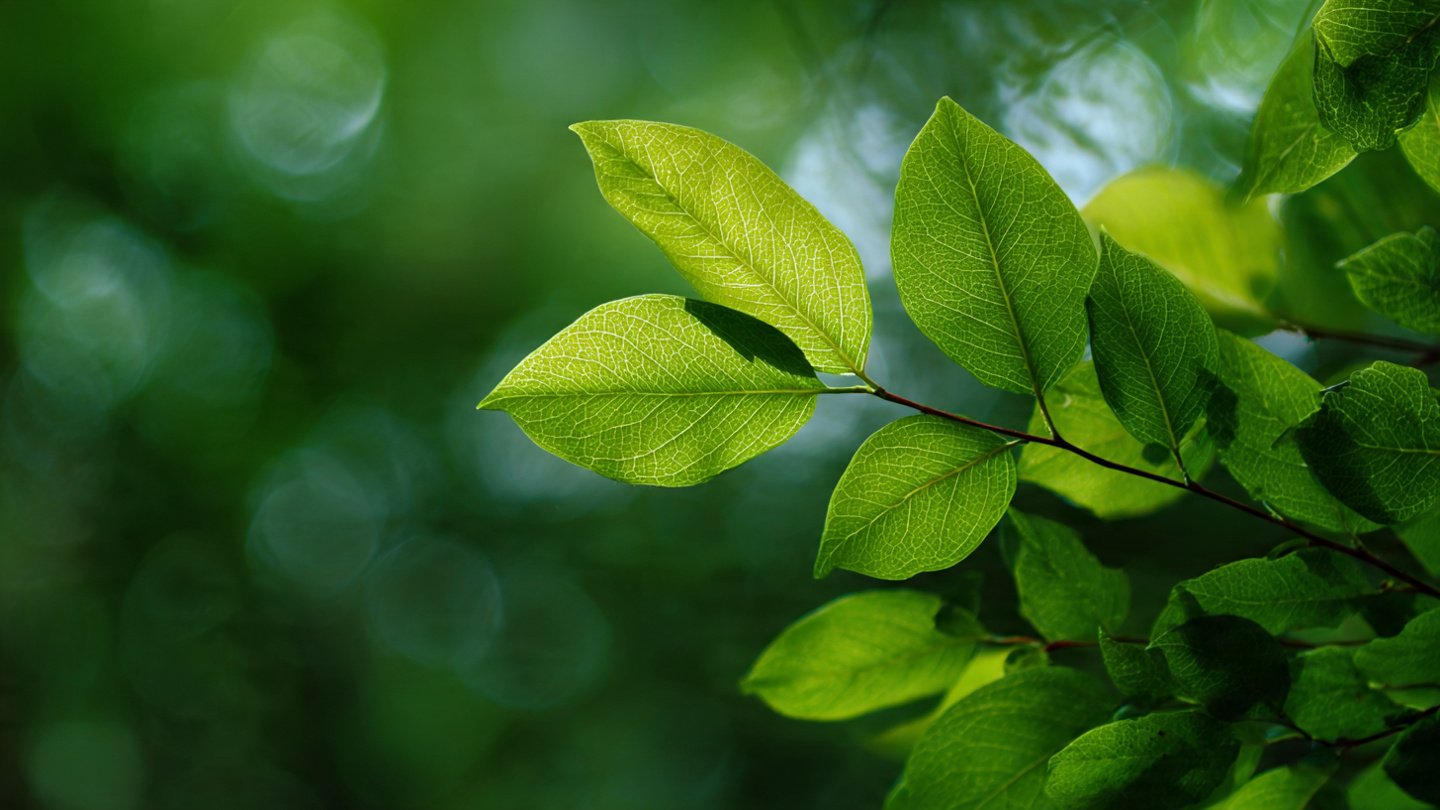
Leaves are the main sites of photosynthesis in plants, a process crucial for life on Earth. The green color of leaves primarily results from chlorophyll, a pigment that plays a vital role in absorbing light energy. But why is chlorophyll green, and what secrets do leaves hold that are more than just their evident color?
The Role of Chlorophyll
Chlorophyll is critical for capturing light energy. It mainly absorbs blue and red light from the spectrum and reflects green, which is why leaves appear green to our eyes. This selective light absorption is essential for photosynthesis, where sunlight is converted into chemical energy.
The process begins in the chloroplasts of plant cells, where chlorophyll absorbs the energy from sunlight. This energy is then used to convert carbon dioxide from the atmosphere and water from the soil into glucose and oxygen. The glucose serves as food for the plant while the oxygen is released as a byproduct, contributing to the air we breathe.
Why Green? The Evolutionary Advantage
The reason chlorophyll is green is also evolutionary. Plants utilize a particular range of light wavelengths for photosynthesis, and the green light in the spectrum is less useful for this purpose. By reflecting green light, plants can utilize the more effective blue and red wavelengths without being overwhelmed by excessive green light. This efficiency allows plants to thrive and adapt to various environmental conditions.
Beyond Green: Leaf Colors and What They Indicate
While green is the most common color of leaves, many plants exhibit a range of colors throughout the seasons. Autumn brings vibrant shades of yellow, orange, and red, caused by changes in chlorophyll production.
The Role of Other Pigments
Other pigments, such as carotenoids and anthocyanins, contribute to these colors. Carotenoids produce yellow and orange hues and are always present in leaves but usually masked by the dominant green of chlorophyll. When chlorophyll breaks down in fall, these colors become more visible.
Anthocyanins, on the other hand, can appear red or purple and are produced in response to various stress factors, such as bright sunlight and drought conditions. These pigments provide UV protection and can help deter herbivores, adding another layer to the fascinating adaptations of plants.
What Do Leaves Tell Us About Their Environment?
Leaves serve as indicators of environmental health and adaptation strategies. Their color, shape, and size can reveal how well a plant is coping with its surroundings. For instance, leaves that are darker and thicker often indicate a plant’s adaptation to low light conditions, while smaller, thinner leaves may represent a plant’s resilience in arid environments.
Impact of Climate on Leaf Color
Climate change and environmental stressors like pollution can also affect leaf color and health. Increased carbon dioxide levels can enhance photosynthesis but may also lead to nutrient-poor plants. As such, the foliage can signal not just the vitality of a single plant but also the ecological balance of the area it inhabits.
The Secret Life of Leaves: Beyond Photosynthesis
Leaves do more than just photosynthesize; they play crucial roles in respiration and transpiration. During respiration, leaves take in oxygen and release carbon dioxide, just like humans. This process allows for the exchange of gases necessary for life.
Transpiration is the process of water vapor exiting the leaves through tiny openings called stomata. This loss of water helps regulate temperature and facilitates nutrient transport from the roots to the leaves. Thus, leaves are integral to a plant’s overall health, helping it manage both water and energy efficiently.
Leaves as a Source of Medicinal Compounds
Leaves are not just vital for plants; they also harbor numerous secrets beneficial to humanity. Many leaves contain compounds used in traditional medicine and as contemporary pharmaceuticals. For example, tea leaves from the Camellia sinensis plant have been known for their health benefits ranging from antioxidants to anti-inflammatory properties.
Phytochemicals in Leaves
Phytochemicals, which are naturally occurring plant compounds, provide various health benefits. The presence of flavonoids, terpenoids, and alkaloids in leaves can aid in disease prevention, enhance immune function, and offer anti-cancer benefits. This underscores the crucial connection between our diet and the health of our plants.
Conclusion
The green hue of leaves serves as a window into the complex and intricate life processes of plants. From their role in photosynthesis to their adaptation to environmental changes and their medicinal properties, leaves hold secrets far beyond their appearance. Understanding these processes not only enriches our knowledge of the natural world but also highlights the importance of preserving plant life for the health of our planet and humanity.
FAQs
1. Why are all leaves not green?
Leaves can be different colors due to varying pigments present, such as carotenoids (yellow, orange) and anthocyanins (red, purple). These pigments often become more visible when chlorophyll breaks down, especially in autumn.
2. What happens to leaves in winter?
In winter, many trees shed their leaves to conserve water and energy. The lack of chlorophyll during this time contributes to the leaf’s death and color change.
3. Can leaves photosynthesize at night?
No, leaves cannot photosynthesize at night because they do not have sunlight, which is essential for the process. However, some plants can also use stored glucose for respiration during the night.
4. How do leaves help in climate change mitigation?
Leaves absorb carbon dioxide during photosynthesis, reducing greenhouse gases in the atmosphere. They play a crucial role in mitigating climate change and improving air quality.
5. Are leaves used in any other way besides photosynthesis?
Yes, leaves are involved in respiration, transpiration, and can also have medicinal properties. They are essential for nutrient transport and temperature regulation in plants.