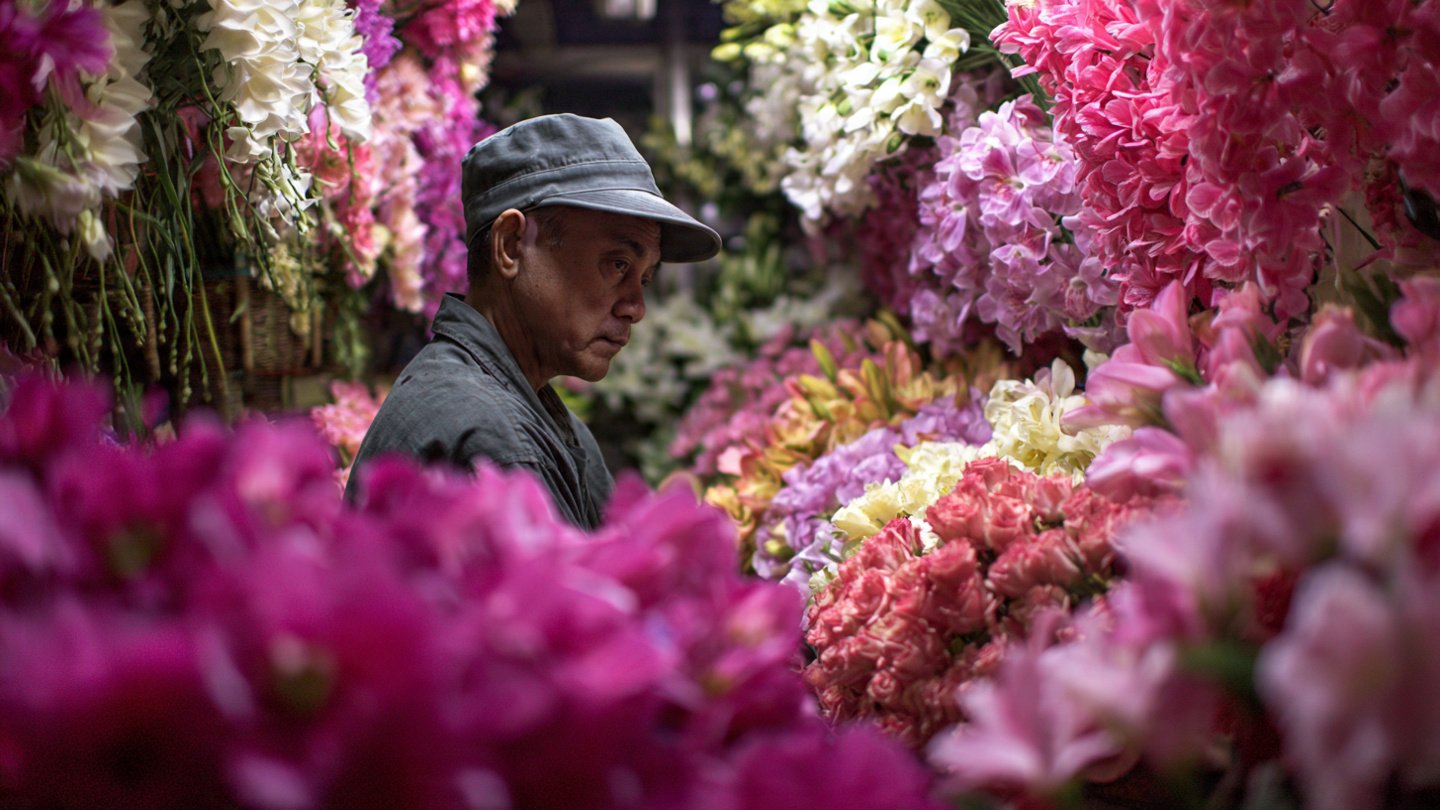
The global flower trade is a billion-dollar industry, vibrant and colorful on the surface, yet it conceals numerous complexities and dark truths. From the journey of flowers from field to market, a myriad of elements influence this trade, encompassing environmental, economic, and ethical considerations. As consumers, we often overlook what lies beneath the glossy surface of this industry. This article delves into the secrets behind the global flower trade, exploring its environmental impact, labor conditions, economic practices, and the rise of sustainable alternatives.
The Environmental Impact
Flowers might seem harmless, adorned in their beauty, but the processes involved in their cultivation and distribution carry significant environmental consequences.
Firstly, many flowers are grown in countries with vast agricultural practices that demand extensive use of pesticides and fertilizers. These chemicals can leach into the soil and waterways, causing harm to local ecosystems. Moreover, the monoculture farming often needed for commercial flower production diminishes biodiversity, leaving the land vulnerable to pests and diseases.
Transportation also contributes to environmental degradation. Fresh cut flowers are often shipped internationally via air freight to ensure they remain fresh upon delivery. This process is energy-intensive, contributing to carbon emissions that accelerate climate change.
Labor Practices in Flower Production
Behind the aesthetic appeal of cut flowers lies a stark reality regarding labor practices. Many flowers are cultivated in developing countries like Colombia, Ecuador, and Kenya, where labor regulations can be lax. Workers often face unregulated working conditions, long hours, and inadequate pay.
Child labor is also a grim occurrence in some regions, where children may be employed to keep labor costs low. These conditions expose workers to hazardous chemicals without sufficient protective gear, raising serious ethical concerns.
Consumer awareness regarding these labor issues has increased, prompting a demand for transparency and ethical sourcing. However, many flower buyers still rely on suppliers without fully understanding their labor practices.
The Economic Realities of Floral Trade
The flower industry’s economic dynamics are intricate. While the market is lucrative for major suppliers, the profit margins for local growers, particularly in developing nations, are often minimal. Middlemen and large retailers can dictate prices, squeezing farmers who struggle to make a sustainable income.
This economic disparity is exacerbated by trade regulations and tariffs that affect the flow of flowers from one country to another. In addition, prolonged transport times can lead to flower spoilage, creating further losses for growers.
Interestingly, the perception of buying local has gained traction. Consumers are increasingly interested in supporting regional businesses and purchasing locally grown flowers. This shift has prompted a rise in local flower farms that adhere to sustainable practices, helping to balance economic inequities within the global trade system.
Sustainable Alternatives
In recent years, the global flower trade has witnessed a significant shift towards sustainability. As awareness about the environmental and labor-related issues has grown, so too has the demand for sustainable floral products.
Many organizations are now advocating for organic flower farming, which offers an eco-friendlier alternative to conventional methods by minimizing the use of synthetic chemicals. Additionally, various certifications, such as Fair Trade and Rainforest Alliance, encourage ethical labor practices and environmentally conscious farming.
Another innovative trend is the rise of slow flowers, a movement that emphasizes seasonal and locally-sourced blooms. This approach not only reduces the carbon footprint associated with long-distance transport but also promotes biodiversity and supports local economies.
The Role of Technology
Technology is playing a transformative role in the global flower trade. Digital platforms have emerged, enabling consumers to connect directly with local flower farmers, eliminating intermediaries. This not only enhances transparency regarding sourcing but also enables growers to receive fair pricing for their products.
Moreover, advancements in agricultural technology allow for more sustainable farming practices. Innovations like precision farming, which uses data to optimize crop yields while conserving resources, are becoming more prevalent in the flower industry.
Conclusion
In conclusion, while the global flower trade appears to be a simple link between growers and consumers, it encapsulates a complex web of environmental, economic, and ethical issues. The impact of flower production on the environment, labor conditions, and economic disparities suggests a need for change. As consumers, we have the power to influence this trade through our purchasing decisions.
By choosing sustainable flowers, supporting local markets, and advocating for ethical labor practices, we can contribute to a more equitable and environmentally responsible flower industry. It is essential to remain informed and conscious of the implications of our choices, as they play a crucial role in shaping the future of the global flower trade.
FAQs
What is the global flower trade?
The global flower trade is an interconnected network of farmers, wholesalers, and retailers involved in the cultivation and sale of flowers on an international scale.
What are the main environmental impacts of the flower trade?
The main environmental impacts include pesticide and fertilizer runoff, carbon emissions from transportation, and loss of biodiversity due to monoculture farming practices.
Are there ethical concerns associated with flower farming?
Yes, ethical concerns include labor abuses, child labor, and inadequate working conditions for agricultural workers, especially in developing countries.
How can consumers make more ethical choices when buying flowers?
Consumers can seek out sustainable options such as locally-sourced, organic, or Fair Trade certified flowers to support ethical practices in the industry.
What is the ‘slow flowers’ movement?
The slow flowers movement emphasizes buying seasonal and locally-grown flowers to promote sustainable agricultural practices and reduce environmental impact.