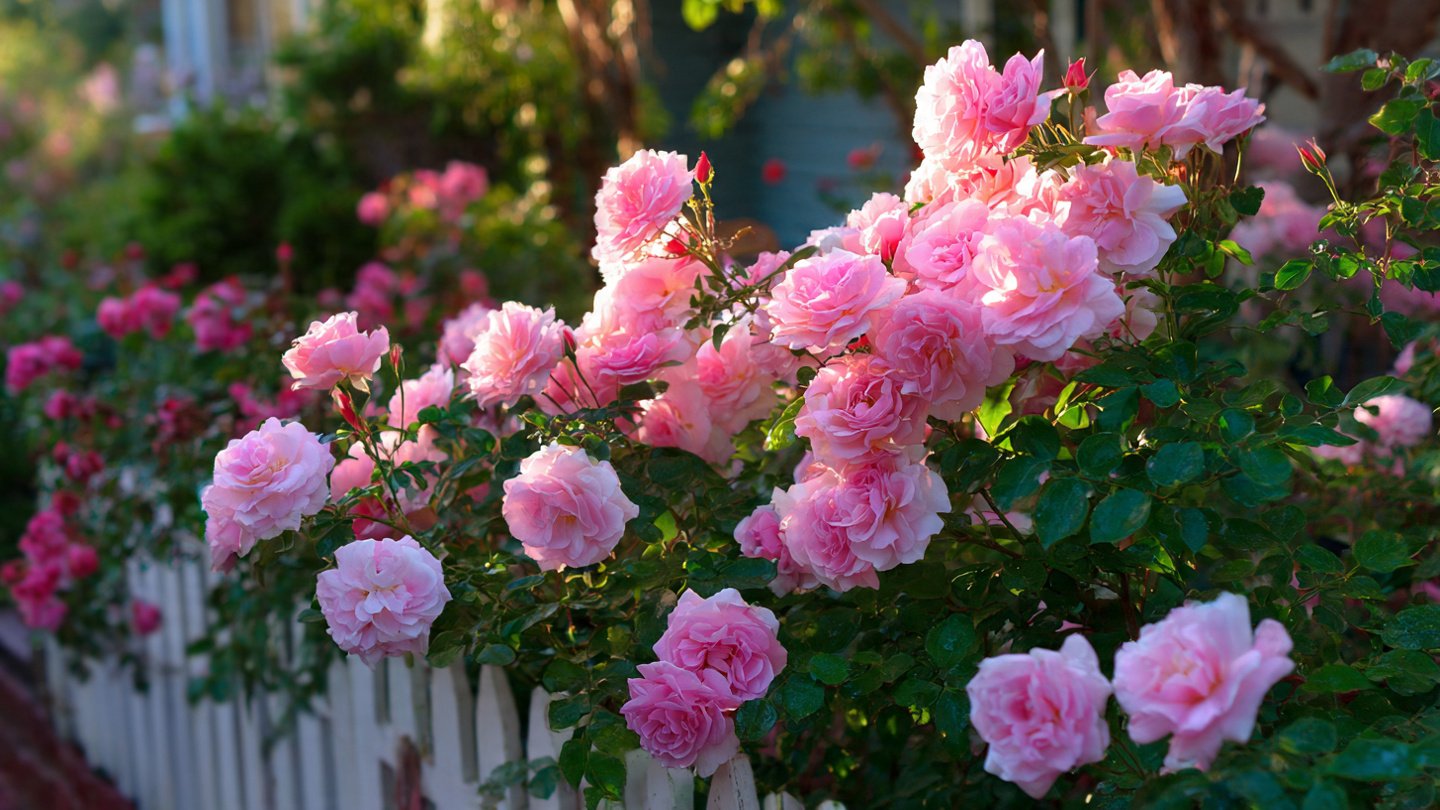
Roses are renowned for their beauty and fragrance, making them a favorite among gardeners. However, ensuring that your roses thrive and flourish throughout the summer can be a formidable challenge. This article delves into the essential factors for growing healthy roses, focusing on soil quality, watering, sunlight, pruning, and pest management.
Understanding Soil Quality
The foundation for healthy rose plants begins with robust soil. Roses flourish best in well-drained, loamy soil that is rich in organic matter. The following aspects are crucial:
- Soil pH: Roses prefer a slightly acidic to neutral pH, ideally between 6.0 and 6.8. Testing your soil’s pH can guide you in making necessary adjustments.
- Organic Matter: Mixing in compost or well-rotted manure enhances the nutrient content and improves soil structure for better drainage.
- Drainage: Ensure your planting area has good drainage. If water accumulates, it can lead to root rot, which is detrimental to rose health.
Watering Techniques
Proper watering is vital for your roses, especially during the hot summer months. Understanding how much and when to water can make all the difference:
- Consistency: Roses need regular watering, especially during dry spells. Deep watering encourages root growth, while light, frequent sprinklings can lead to weak roots.
- Best Time to Water: Water your roses in the early morning or late afternoon, avoiding the midday sun to minimize evaporation and reduce stress on the plants.
- Methods: Drip irrigation systems or soaker hoses are ideal, delivering water directly to the roots while keeping foliage dry and reducing disease risk.
Sunlight Requirements
Roses are sun-loving plants that require at least six hours of direct sunlight daily. Choosing the right location for planting is crucial:
- Site Selection: Ensure that your roses are planted in a spot that receives ample sunlight and is protected from harsh winds.
- Spacing: Proper spacing between rose bushes allows for adequate airflow, which can prevent diseases and promote healthier blooms.
- Shade Considerations: If planting in partially shaded areas, consider choosing shade-tolerant rose varieties to ensure healthy growth.
Pruning and Maintenance
Pruning is essential for the health and productivity of your roses. By removing dead or diseased wood, you encourage new growth:
- When to Prune: Late winter or early spring, before new growth begins, is the optimal time for pruning most rose varieties.
- How to Prune: Use sharp, clean tools and prune just above a bud node to promote new growth. Removing spent blooms, known as deadheading, encourages continuous flowering.
- Fertilizer Application: Regular feeding with a balanced fertilizer will provide essential nutrients to your roses, particularly during the spring and summer growing seasons.
Pest Management
Pests can pose a serious threat to the health of your roses. Being vigilant and proactive is crucial:
- Common Pests: Aphids, spider mites, and Japanese beetles are frequent challenges faced by rose growers. Identifying these pests early can make management easier.
- Organic Solutions: Consider using insecticidal soaps or natural predators, like ladybugs, to help keep pest populations under control.
- Routine Inspections: Regularly inspecting your roses can help you catch pest issues before they escalate. Look under leaves and at new growth for signs of trouble.
Fungal Diseases and Prevention
Roses can be susceptible to diseases such as black spot, powdery mildew, and rust. Practicing good hygiene and preventive measures can mitigate these risks:
- Plant Spacing: Ensure adequate airflow around plants by spacing them appropriately, which can help reduce humidity and the risk of fungal infections.
- Water Management: As previously noted, avoid overhead watering. Instead, water at the base to prevent moisture on the leaves, which can promote fungal growth.
- Fungicides: In cases of severe fungal outbreaks, consider using fungicides specifically formulated for roses. Always follow application guidelines closely.
Choosing the Right Rose Varieties
Different rose varieties have unique growing requirements and susceptibility to pests and diseases. When creating your garden, consider:
- Native Plants: Opting for native or disease-resistant varieties can lead to a more sustainable and lower-maintenance garden. They are often better suited to local conditions.
- Climate Adaptation: Understand your climate zone and choose varieties that thrive in your particular region’s temperature and humidity conditions.
- Bloom Timing: Select roses with staggered bloom times to ensure continual color and fragrance throughout the summer. Hybrid teas tend to bloom once in cycles, while floribundas and grandifloras provide more consistent blooms.
Conclusion
Ensuring your roses thrive and flourish all summer is a combination of proper care, vigilance, and a little love. By focusing on soil quality, adequate sunlight, consistent watering, and proper pest management, you can create an idyllic environment for your roses. Each rose plant is an investment of time and resources, but with the right techniques, your effort will blossom into vibrant colors and stunning fragrances that enrich your outdoor spaces.
FAQs
1. How often should I water my roses in summer?
During the summer, roses typically need about 1-2 inches of water per week, depending on the weather and soil conditions. Deep, infrequent watering is preferred over shallow, frequent watering.
2. When is the best time to fertilize my roses?
Fertilize your roses in early spring as new growth appears and again in late spring or early summer when they’re putting on blooms. Avoid fertilizing late in the summer to prevent excessive growth before winter.
3. How can I tell if my roses are getting enough sunlight?
If your roses are leggy or have fewer blooms than expected, they may not be getting enough sunlight. Ideally, they should receive at least six hours of direct sunlight each day.
4. What should I do if my roses are infested with pests?
Identifying the pests is the first step. Use appropriate treatments, like insecticidal soap or neem oil, and encourage beneficial insects like ladybugs to control pest populations naturally.
5. How do I prepare my roses for winter?
To prepare for winter, prune your roses lightly in late fall, clear away debris, and apply mulch around the base to protect the roots from extreme cold.