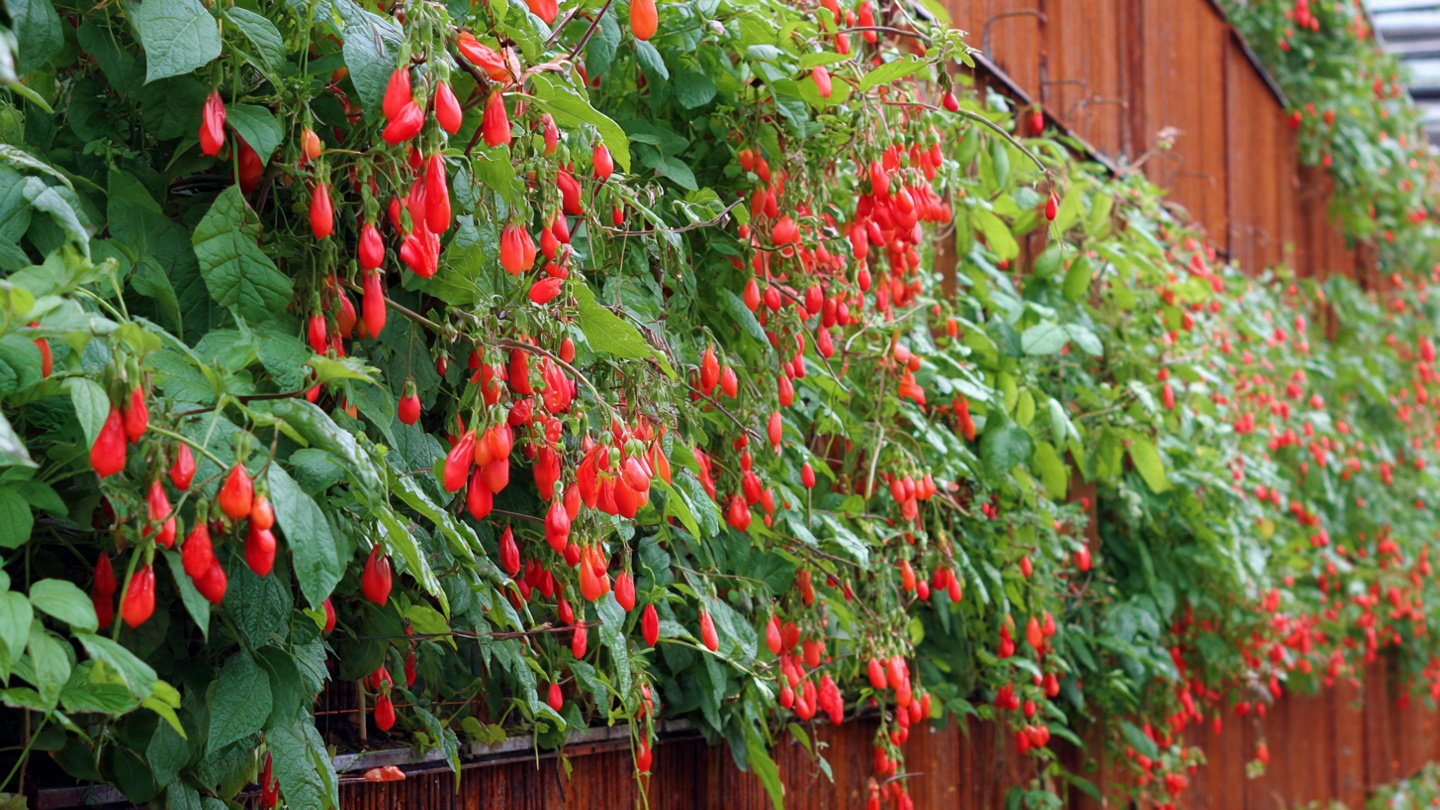
Vertical gardening is a growing trend in urban farming, allowing gardeners to maximize space while cultivating fruits, vegetables, or ornamental plants. One excellent option for a vertical garden is the scarlet runner bean (Phaseolus coccineus), renowned for its vibrant red flowers, vigorous growth, and delicious pods. Not only does it add aesthetic beauty to your garden, but it also provides a bountiful harvest. In this guide, you’ll learn how to grow a vertical garden of scarlet runners for food, covering everything from planning your garden to harvesting and cooking.
Understanding Scarlet Runner Beans
Overview
Scarlet runner beans are tender perennials that are commonly grown as annuals. They thrive in warm weather and are native to Central and South America. These beans can grow up to 10 feet tall, making them ideal for vertical gardening. Besides their ornamental value, the young pods are edible and can be eaten like green beans.
Nutritional Benefits
Scarlet runner beans are rich in protein, fiber, vitamins A and C, and essential minerals like iron and potassium. Including them in your diet can contribute to overall health, but they should always be cooked before consumption to neutralize toxins present in raw beans.
Planning Your Vertical Garden
Choosing the Right Location
- Sunlight: Scarlet runner beans require at least six hours of sunlight per day. Look for a spot that receives ample sunlight while providing some shelter from strong winds.
- Accessibility: Ensure your vertical garden is easily accessible for planting, watering, and harvesting.
- Space Considerations: Vertical gardening makes efficient use of space but consider the width and height of your chosen location to ensure that the plants have enough room to grow.
Selecting a Vertical Structure
You can use various materials for your vertical garden:
- Trellis: A classic choice, trellises come in various shapes and materials. You can build one using wood, metal, or plastic.
- Fencing: If you have a sturdy fence, it can double as a support for your beans.
- String or Wire: Sturdy string or wire can be hung vertically or in a grid formation from a frame to support the climbing plants.
- Lattice Panels: These can be attached to walls or freestanding in your garden to provide ample support for the beans.
Preparing the Soil
Scarlet runner beans prefer well-draining, fertile soil. Here’s how to prepare the soil:
- Choose the Right Mix: A soil mix that contains organic matter, like compost, ensures good drainage while providing essential nutrients.
- Testing Soil pH: Ideally, the soil pH should be between 6.0 and 7.0. Test your soil and amend it as necessary.
- Tilling and Aeration: Loosen the soil to aerate it, making it easier for roots to grow while also improving drainage.
- Nutrient Addition: Incorporate organic fertilizers or compost to enrich the soil before planting.
Planting Scarlet Runner Beans
Choosing Seeds
Select high-quality scarlet runner bean seeds. You can find them at garden centers or online. If you’re interested in organic gardening, look for organic, non-GMO seeds.
Timing the Planting
Scarlet runner beans are sensitive to frost. The best time to plant is in the late spring after the last frost date in your area. Soil temperatures should be at least 60°F (15°C) for optimal germination.
Planting Procedure
- Sow Seeds: Plant seeds 1 inch deep, about 4-6 inches apart. If you’re planting more than one row, ensure rows are spaced about 24 inches apart.
- Water Gently: After sowing, water the area gently to keep the soil moist but not soggy.
- Mulch: Adding mulch can help retain moisture and suppress weeds.
Supporting Vertical Growth
As the scarlet runner beans begin to sprout, they will need support to grow upward:
- Train the Vines: When the plants start to climb, gently guide them towards the trellis or supporting structure.
- Use Twine or Clips: If necessary, use soft twine or plant clips to secure the stems to the structure without damaging them.
- Maintain Vertical Growth: Regularly check the plants and guide them as needed. The vines will naturally climb, but some assistance might be required initially.
Caring for Your Vertical Garden
Watering
Scarlet runner beans require consistent moisture, especially while in bloom and when pod formation begins. Water deeply but infrequently, allowing the soil to dry slightly between watering sessions. Avoid overhead watering to prevent fungal diseases.
Fertilization
- Before Planting: As mentioned, incorporate compost into the soil before planting.
- During Growth: You may opt to fertilize again with a balanced fertilizer high in phosphorus, which promotes flowering and pod development.
Pest and Disease Management
- Common Pests: Watch out for aphids, spider mites, and beetles. Organic insecticides or natural remedies like neem oil can help control infestations.
- Fungal Diseases: Good air circulation is crucial; avoid overcrowding and ensure proper spacing. If diseases do occur, remove infected plants and consider applying organic fungicides for treatment.
Harvesting Scarlet Runner Beans
When to Harvest
The beans can be harvested at different stages:
- Young Pods: If you prefer tender young pods, harvest them when they are 4-6 inches long and still bright green. Cut them from the vine carefully.
- Mature Seeds: If you prefer to mature beans for drying and saving seeds, wait until the pods have turned brown and you hear a rattling sound when shaken.
How to Harvest
Use pruning shears or scissors to cut the pods from the plant. Handle the vines gently to avoid damaging them. Regularly check for ready-to-harvest pods to maximize your yield.
Cooking and Storing Scarlet Runner Beans
- Preparation: Always cook the beans before consumption. Young pods can be steamed, sautéed, or added to stir-fries. Mature beans can be shelled and cooked in soups, stews, or casseroles.
- Freezing: To preserve the beans, blanch them in boiling water for 2-3 minutes, then plunge them into ice water. Drain and store in airtight containers in the freezer for up to six months.
- Drying: If you harvested mature jars, air-dry the beans and store them in a cool, dry place in airtight containers. Dried beans can last for several months to a year.
Tips for Success
- Companion Planting: Consider planting flowers that attract pollinators nearby to help ensure strong yields.
- Rotate Crops: If you plan to grow beans annually, rotate them with other crops to avoid soil depletion and pest issues.
- Regular Monitoring: Keep an eye on your plants for signs of stress, pests, or diseases, and address them promptly.
Conclusion
Growing a vertical garden of scarlet runner beans can be a rewarding endeavor, offering both visual appeal and a nutritious food source. By carefully planning your garden, nurturing the plants, and managing your vertical structure, you can create a productive space that thrives even in limited environments. With the right care and attention, your scarlet runners will provide you with delicious food for seasons to come, making your vertical garden both a feast for the eyes and the palate!