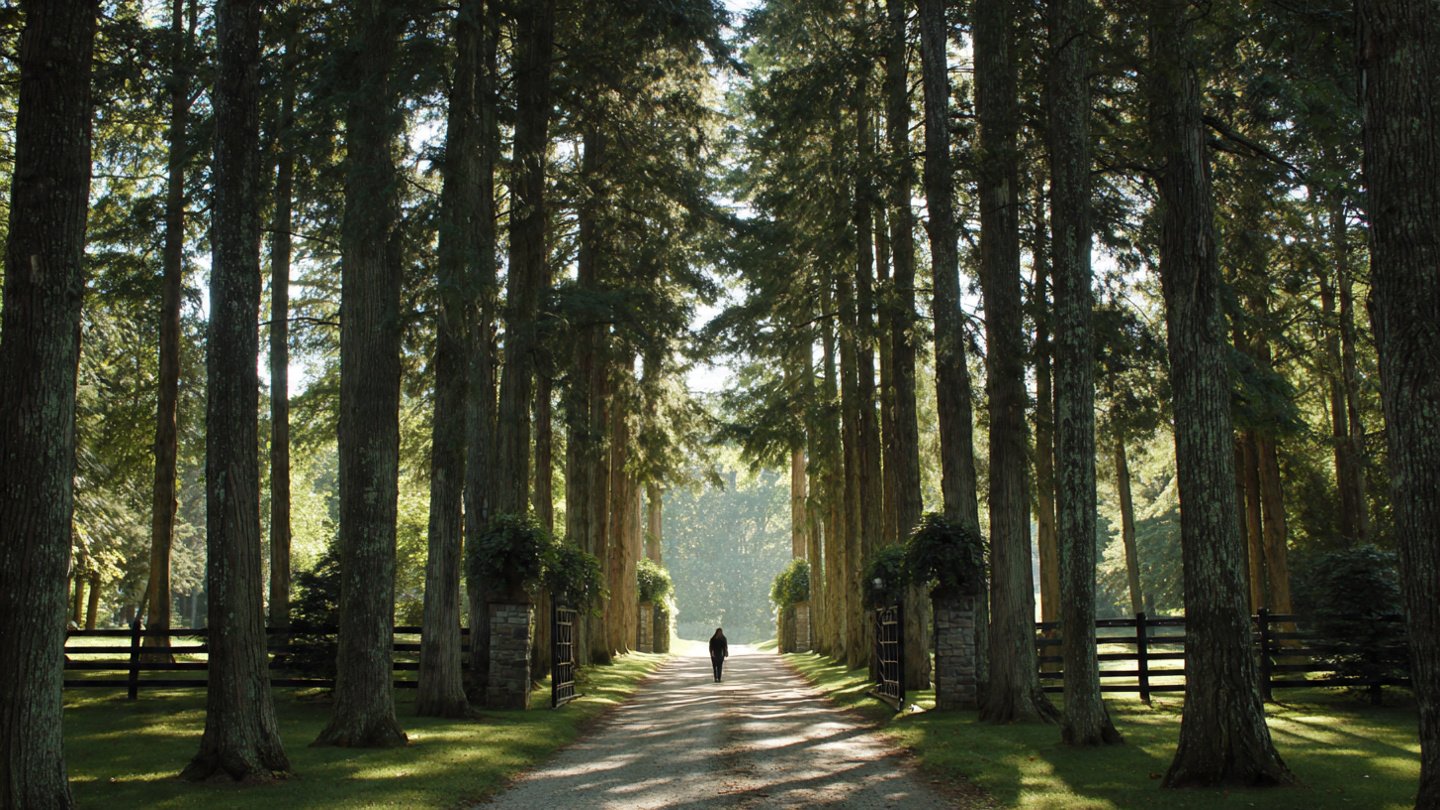
Creating a dramatic entrance with tall trees can set an enchanting tone for any property, be it a private residence, a public park, or a commercial facility. Tall trees not only add beauty and elegance, but they also offer various practical benefits such as shade, privacy, and noise reduction. In this article, we’ll explore how to strategically choose and position tall trees to create a stunning entrance that leaves a lasting impression.
The Importance of a Dramatic Entrance
A dramatic entrance serves as the first point of contact and creates an immediate impression. It can evoke feelings of grandeur and sophistication, instilling a sense of welcome and awe. A well-crafted entrance can:
- Enhance curb appeal
- Improve property value
- Create a sense of privacy
- Offer shade and environmental benefits
To achieve this, tall trees can be a pivotal element in your landscape design. But how do you go about selecting and positioning them effectively? Let’s dive in.
Choosing the Right Tall Trees
When selecting trees for a dramatic entrance, consider the following factors:
1. Climate and Soil Conditions
Before selecting tall trees, it’s crucial to assess your local climate and soil conditions. Certain trees thrive better in different environments. For example:
- Temperature: Some trees are suitable for cold climates while others prefer warmer areas.
- Soil Type: Ensure that the trees you select can grow well in your soil type, be it sandy, clay, or loamy.
- Moisture: Consider if your region experiences heavy rainfall or is arid. Some trees might require more water than is naturally available.
2. Desired Aesthetic
The aesthetic you wish to create should dictate your tree selection. Consider the tree’s form, foliage, and seasonal changes:
- Canopy shape: Look for shapes that draw the eye upward, like columnar or arching forms.
- Foliage: Consider trees with distinct foliage that changes with the seasons, enhancing your entrance year-round.
- Unique features: Trees with interesting bark, flowers, or fruit can add additional beauty.
3. Maintenance Requirements
Some tall trees require more upkeep than others, including pruning, watering, and pest management. Choose trees that fit your willingness and capability to maintain:
- Low-maintenance trees: Species that are resilient and adaptable to various conditions.
- High-maintenance trees: Species that may need more attention due to pests, diseases, or growth habits.
Positioning Tall Trees for Maximum Impact
Once you’ve chosen the appropriate trees, the next step is positioning them strategically:
1. Aligning Trees with Pathways
Position trees along the pathway leading to the entrance. This creates a natural frame and guides visitors toward the entrance, enhancing the sense of arrival. You can:
- Plant trees in a staggered pattern to create depth.
- Use a row of taller trees to create a grand avenue.
2. Creating Layers
Incorporate layers in your landscaping to add visual interest. Place shorter plants and shrubs in front of taller trees, which will create a lush, fuller appearance. Additionally:
- Use ground covers or low-growing perennials to fill empty spaces.
- Vary the heights and textures of shrubs and flowers for contrast.
3. Considering the Distance
Space trees appropriately based on their mature size. Planted too close, they can compete for resources, but too far apart may look disjointed. A good rule of thumb is to:
- Set trees at least half their mature width apart.
- Use shorter trees as fillers to maintain attractiveness while larger trees grow.
Incorporate Lighting and Accessories
Enhance your dramatic entrance with decorative elements and lighting. Well-placed lights can highlight the grandeur of tall trees:
- Spotlights: Use uplights to illuminate the tree trunks and canopies, creating dramatic silhouettes at night.
- Landscape lighting: Strategically placed fixtures can help accentuate features, colors, and textures of both the trees and surrounding plants.
- Paths and Accents: Incorporate stone pathways, benches, or sculptures to complement the tall trees.
Conclusion
Creating a dramatic entrance using tall trees is a thoughtful process that requires careful planning, appropriate selection, and strategic positioning. With the right trees, you can enhance the beauty, curb appeal, and value of your property while creating an unforgettable experience for visitors. Don’t forget to incorporate lighting and additional landscaping features to maximize the impact of your dramatic entrance.
FAQs
What are some good tall trees for creating a dramatic entrance?
Some popular options include Oak, Maple, Lombardy Poplar, and Bradford Pear. The choice depends on climate and desired aesthetics.
How far apart should I plant tall trees?
As a general rule, plant trees at least half their mature width apart to ensure they have enough space to grow without competing for resources.
How can I maintain tall trees?
Regular pruning, watering, and monitoring for pests or diseases will help maintain the health of your trees. It’s advisable to consult a professional for significant tree care.
Can I use tall trees in a small yard?
Yes, but it’s essential to select smaller varieties or columnar trees that will not overwhelm the space while still providing the dramatic effect you desire.