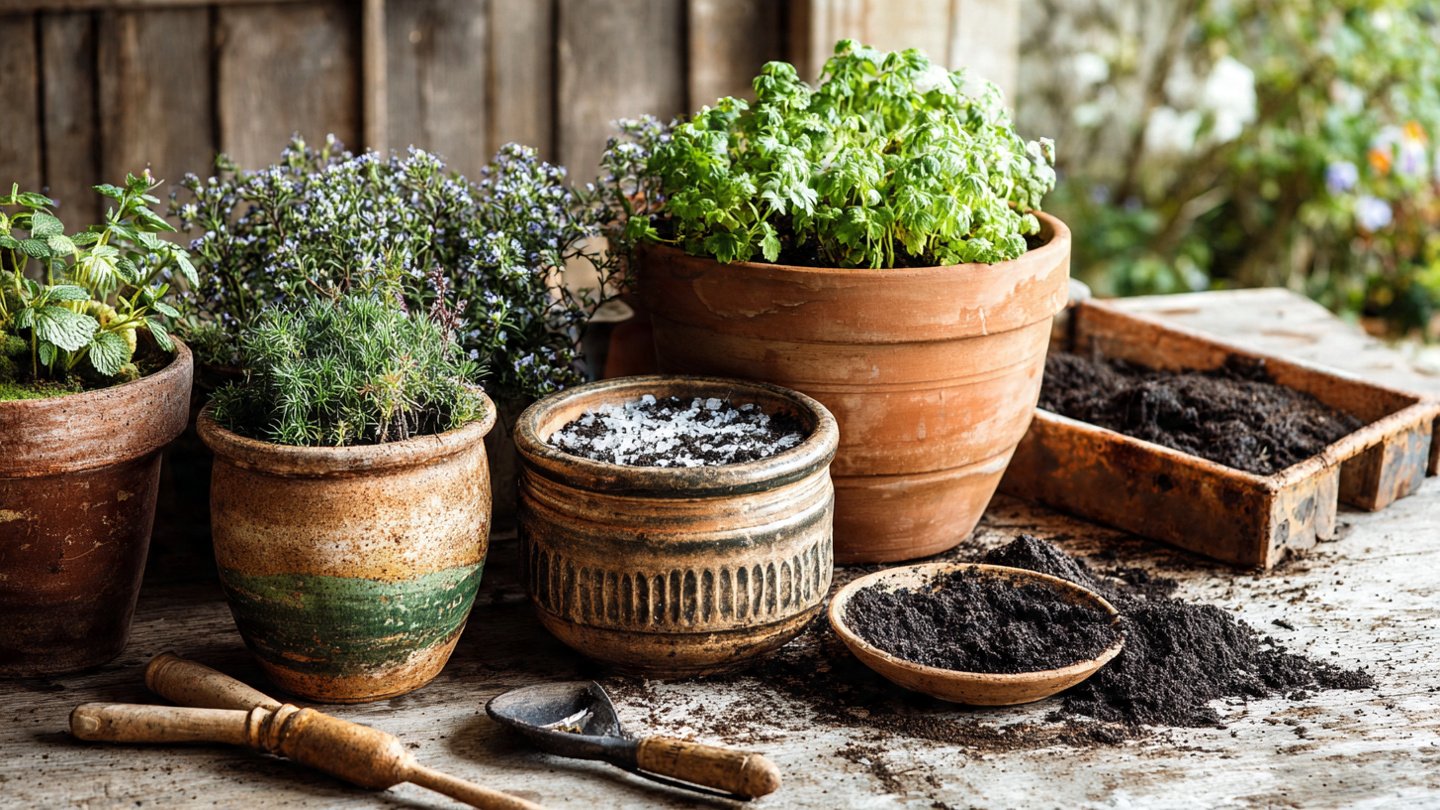
Keeping houseplants thriving can be a rewarding experience, but it often comes with its challenges. One of the most common issues gardeners encounter is potted soil drying out quickly. This phenomenon can not only hinder plant growth but may also lead to plant stress or premature death. Understanding the reasons behind rapid soil drying is crucial for effective plant care. In this comprehensive guide, we will explore various factors that contribute to this issue, along with potential solutions.
1. Soil Composition
A. Types of Soil
The type of soil used in potted plants significantly influences moisture retention. Traditional potting mixes often contain components like peat moss, perlite, and vermiculite. Each ingredient affects water retention in distinct ways:
- Peat Moss: Known for great moisture retention but can break down over time, leading to poor drainage.
- Perlite: Enhances aeration but does not hold water well, causing soil to dry out faster.
- Vermiculite: Absorbs water and nutrients, helping to keep soil moist.
B. Soil Structure
The structure and texture of the soil can also impact its ability to retain water. Coarse, sandy soils drain quickly, while fine, compacted soils may retain water too well, causing root rot. The ideal potting soil should have a balanced structure that promotes both drainage and moisture retention.
C. Organic Matter
Incorporating organic matter like compost can improve soil structure and enhance its water-retaining abilities. Organic matter helps to create air pockets, allowing roots to access moisture more effectively.
2. Pot Size and Type
A. Pot Size
The size of the pot directly influences how quickly the soil dries out. Smaller pots will dry out faster due to their limited soil volume, while larger pots have more soil to retain moisture. If you notice that your plants’ soil dries out too quickly, consider repotting them into appropriately sized containers to help stabilize moisture levels.
B. Pot Material
The material of the pot plays a key role in water retention. Here’s a breakdown of common pot materials:
- Terra Cotta: This porous material allows for good air circulation but can cause the soil to dry out swiftly.
- Plastic: Often retains moisture more effectively, making it a beneficial option for plants that require consistent soil moisture.
- Glazed Pots: These pots offer a compromise, retaining moisture while still allowing some airflow.
3. Watering Practices
A. Frequency
Overwatering or underwatering can both lead to quick-draining soil. Tuning your watering schedule to the specific needs of your plants is essential. For example, succulents and cacti prefer drier conditions, while tropical plants may need more consistent moisture.
B. Watering Technique
How you water your plants can affect how quickly the soil retains moisture. Here are some effective methods:
- Soaking Method: Submerge the pot in water for a time, allowing the soil to absorb moisture thoroughly.
- Drip Irrigation: This technique delivers water gradually, promoting steady absorption and reduced runoff.
C. Time of Day
Watering during the hottest part of the day can lead to increased evaporation rates. Early morning or late afternoon is generally the most effective time to water, allowing for better moisture retention.
4. Environmental Factors
A. Humidity Levels
Low humidity can cause potted soil to dry out quickly, especially in indoor environments. Some plants, such as ferns and orchids, thrive in high humidity and may suffer in drier air. You can counteract low humidity by:
- Using Humidifiers: These devices can help maintain optimal humidity levels for your plants.
- Grouping Plants: Placing plants close together can create a more humid microenvironment.
B. Temperature Fluctuations
Extreme temperature fluctuations can impact soil moisture. Hot, dry conditions can accelerate evaporation rates, leading to quicker soil drying. Conversely, cold temperatures can slow down the absorption of water. To mitigate these effects:
- Maintain Stable Temperatures: Avoid placing plants near heat sources or air conditioning vents.
- Use Thermal Mass: Adding weight to planters can help stabilize temperatures and reduce evaporation.
C. Air Circulation
Good airflow around potted plants can promote healthy growth but also lead to quicker drying out of the soil. Placing plants in areas with unrestricted airflow may cause soil moisture to evaporate more rapidly. Consider moving them to a slightly more sheltered location or using humidity trays to maintain moisture.
5. Plant Type
Different plants have varying moisture needs. Understanding your plant’s specific requirements is crucial:
A. Succulents and Cacti
These plants are adapted to dry environments and prefer drier soil. If your succulent soil constantly dries out, it may need less watering.
B. Tropical Plants
Plants like ferns and anthuriums thrive in moist soil. If they’re drying out too quickly, it’s essential to rethink your watering practices and soil composition.
C. Flowering Plants
Flowering plants have diverse moisture needs. Researching your specific plant variety will help you determine the correct moisture levels.
6. Pests and Diseases
A. Soil Pests
Pests like root aphids and fungus gnats can disrupt soil moisture retention and lead to rapid drying. Regularly inspecting the soil and plants for signs of infestation can help you catch and eliminate these pests early.
B. Diseases
Root rot or fungal issues can disrupt the plant’s ability to absorb moisture and nutrients. If you suspect disease, acting quickly is essential for keeping plants healthy. Treating soil with fungicides or repotting in fresh soil can help remedy the situation.
7. Seasonal Changes
A. Seasonal Watering Adjustments
As seasons change, so do the watering needs of your plants. During hotter months, plants may require more frequent watering, while in cooler months, their needs may decrease. Keeping track of these changes can significantly improve soil moisture retention.
B. Dormancy Periods
During dormancy seasons (often winter), many plants enter a state where they require less water. Understanding your plant’s dormant period will help you manage watering practices effectively.
8. Monitoring Soil Moisture
A. Soil Moisture Meters
Investing in a soil moisture meter can help you determine when your plants need water. This tool can take the guesswork out of watering, ensuring you maintain optimal moisture levels.
B. Finger Test
A simple, hands-on method is the ‘finger test.’ Insert your finger into the soil about an inch deep. If it feels dry, it’s time to water. If it’s still moist, wait a bit longer before checking again.
Conclusion
Understanding why your potted soil dries out quickly is essential for effective plant care. By evaluating factors such as soil composition, pot size, watering practices, environmental conditions, and plant types, you can make informed decisions that promote healthier, thriving plants. Regular monitoring and adjustments based on your observations will further enhance your gardening efforts. Whether you’re a seasoned gardener or a beginner, the journey of plant care is filled with learning opportunities, making it both a challenge and a rewarding experience. Embrace each step, and soon you’ll cultivate a haven of lush greenery in your home.