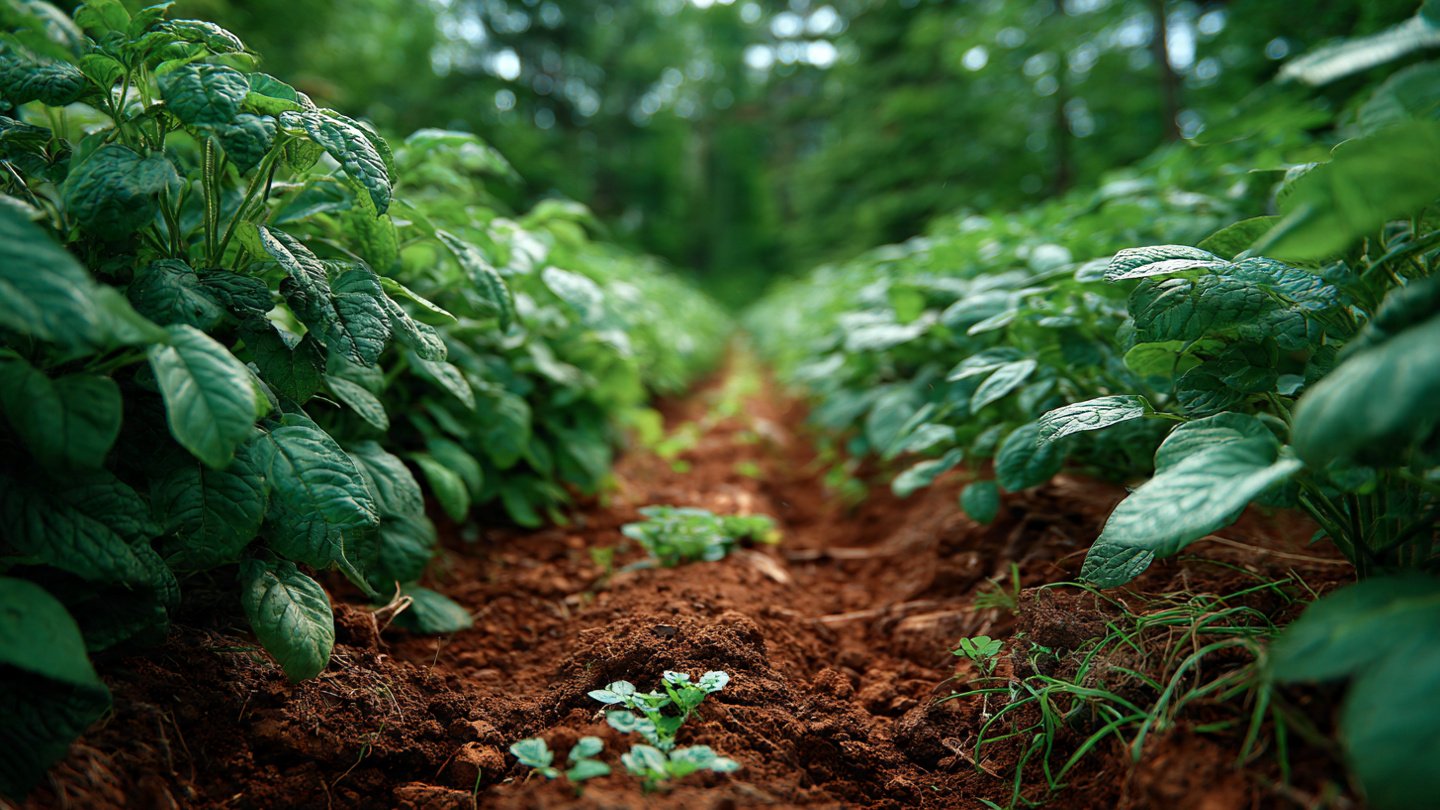
In a world often clouded by challenges—climate change, environmental degradation, social inequality—the concept of “planting a row of wonder” offers a beacon of hope. This phrase signifies not only the physical act of planting but also the metaphorical act of nurturing dreams, supporting change, and promoting sustainability. By choosing to plant a row of wonder, individuals and communities can create a positive impact on their surroundings and, ultimately, the planet. In this article, we will explore the numerous reasons why planting a row of wonder is essential both for individual well-being and global significance.
Understanding the Concept
At its core, “planting a row of wonder” can be interpreted as taking intentional actions that contribute positively to the environment and society. This can involve planting actual seeds in gardens, supporting local foods, or engaging in environmental education. It’s a call to action that encourages us to make choices that foster growth—be it in a literal garden or in the world at large.
1. Environmental Benefits
One of the most immediate advantages of planting a row of wonder is its direct positive impact on the environment. Plants play a crucial role in purifying the air, providing oxygen, and acting as natural carbon sinks. They absorb carbon dioxide, a major greenhouse gas, and release oxygen through photosynthesis. This is vital in combating climate change and improving air quality.
Moreover, urban areas often suffer from a lack of greenery, which leads to issues like the urban heat island effect—where urban regions become significantly warmer than their rural surroundings. Planting trees and gardens can help mitigate these effects, making cities more livable and sustainable. Actions like planting native species not only support local ecosystems but also conserve water and reduce the need for fertilizers and pesticides.
2. Promoting Biodiversity
Biodiversity is critical to a healthy ecosystem. Planting a row of wonder can help support local wildlife, from beneficial insects to birds and mammals. Traditional farming practices often require chemical interventions that can harm local ecosystems. By promoting sustainable agriculture practices through community gardens, we can provide habitats for various species, thus maintaining and enhancing biodiversity.
Community gardens can also serve as educational centers. They encourage families and individuals to learn about native plants, sustainable horticulture, and the importance of local biodiversity. Engaging in these practices not only nurtures the land but fosters an informed community receptive to environmental stewardship.
3. Psychological and Emotional Well-being
The benefits of planting a row of wonder extend beyond the ecological. Various studies have shown that gardening and nurturing plants can significantly enhance mental health. Interaction with nature is linked to reduced stress levels, improved mood, and increased feelings of well-being. Taking the time to nurture plants allows individuals to escape their daily stresses and work toward something tangible and rewarding.
Additionally, gardening often serves as a communal activity. Engaging with neighbors in community gardens fosters relationships and strengthens a sense of belonging. Social interactions inherent in gardening can combat loneliness and promote friendship, resulting in mental health benefits that ripple out into the wider community.
4. Food Security and Sustainability
As the global population continues to rise, the need for sustainable food sources becomes increasingly critical. Planting a row of wonder can promote local food production and improve food security in communities. Community gardens and urban agriculture initiatives help to mitigate hunger by providing fresh produce to those in need while promoting self-sufficiency.
In addition, growing food locally reduces the carbon footprint associated with transporting food over long distances. Individuals become empowered to make decisions about the food they consume, often leading to healthier eating habits. Instead of relying on processed foods, people are encouraged to enjoy fresh fruits and vegetables. This shift in eating habits has health benefits that can improve community well-being.
5. Economic Opportunities
Planting a row of wonder can also spur economic growth and opportunities, particularly in urban areas. Community gardens and urban farms create jobs, whether through the sale of produce, educational workshops, or volunteering opportunities. By fostering local entrepreneurship, individuals can generate income while supporting sustainable practices.
Moreover, markets for organic and locally sourced goods continue to grow as consumers show a preference for sustainable and ethical products. By cultivating local crops, communities can tap into this trend, making economic gains while contributing positively to environmental sustainability.
6. Education and Awareness
Education is a powerful tool for change. Community gardens and initiatives aimed at planting a row of wonder serve as outdoor classrooms, where people of all ages can learn about ecology, sustainability, and nutrition. Teaching children the processes of planting, growing, and harvesting plants fosters a sense of responsibility towards nature and instills an understanding of food systems.
Hands-on experiences can significantly enhance learning. When children plant seeds, they learn about growth cycles, ecosystems, and the efforts required to produce food. Adult programs can also focus on sustainability practices, agriculture trends, and the importance of biodiversity. Together, these educational initiatives can raise awareness regarding environmental issues and inspire action.
7. Strengthening Communities
Planting a row of wonder can act as a catalyst for community building. Initiatives like community gardens help to break down barriers, bringing together people from diverse backgrounds. These spaces become social hubs where collaboration, sharing, and interaction foster community ties.
Participating in gardening and sustainability initiatives encourages collective action. When individuals work together on planting and maintaining gardens, they cultivate not only plants but relationships and a shared sense of purpose. This community spirit is invaluable in addressing broader social issues, creating a sense of unity and shared responsibility.
8. Resilience Against Climate Change
As climate change continues to pose threats to global ecosystems, planting a row of wonder helps build resilience. Communities engaged in sustainable practices become better equipped to adapt to changing conditions. For instance, community gardens can serve as educational resources for climate resilience, providing strategies to combat food insecurity and resource scarcity.
Creating green spaces in urban settings helps absorb rainwater, reducing the risk of flooding and minimizing erosion. Additionally, these green areas can act as buffers against heat, providing cooling effects during extreme weather.
9. Cultivating a Culture of Sustainability
The act of planting a row of wonder symbolizes a commitment to more sustainable living. When individuals and communities engage in planting, it sends a message of hope and responsibility—not just to the generations of today, but also to future generations. The culture surrounding food, land use, and environmental stewardship will evolve as more people recognize the importance of sustainable practices.
By fostering a respect for nature and the principles of sustainability, individuals can pass down these values to future generations. This legacy reinforces the importance of environmental stewardship and collective responsibility.
Conclusion
Planting a row of wonder is not merely an act of planting seeds in soil; it symbolizes hope, responsibility, and a commitment to creating a better world. The benefits of planting resonate deeply within our communities, stretching from environmental preservation to social cohesion. As individuals and communities unite in promoting sustainability through gardening and local initiatives, they contribute to the well-being of the planet and its inhabitants.
Imagine a world where every individual activates their potential by planting their own row of wonder—a world brimming with colorful gardens, diverse wildlife, and healthy communities. This vision is attainable through collective action and commitment to nurturing our earth and our communities. Embrace the idea of planting a row of wonder, and inspire others to do the same. Together, we can cultivate a greener, more sustainable, and inclusive world for generations to come.