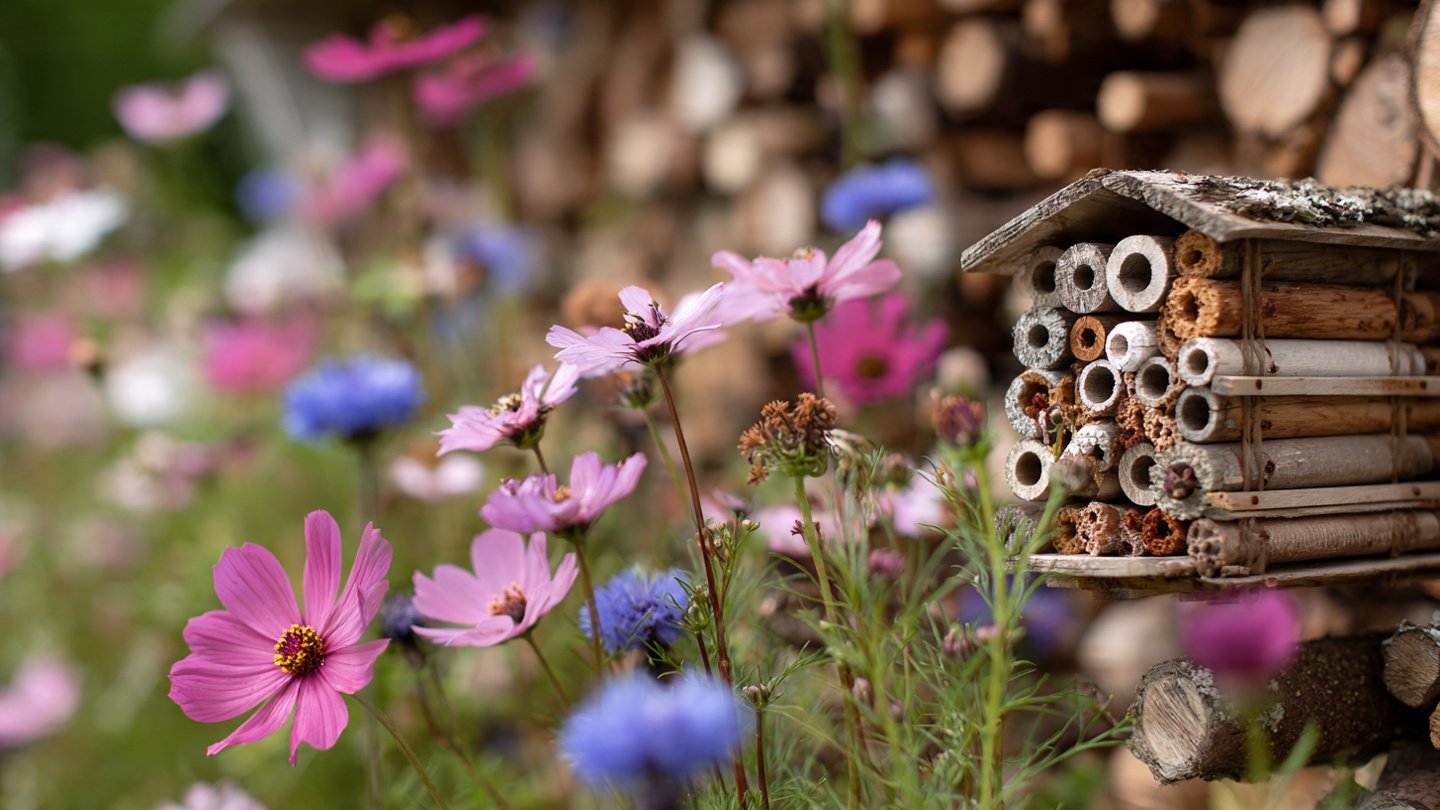
Gardening is not just about cultivating flowers and vegetables; it’s also about promoting a healthy ecosystem within your garden. Among the many aspects that contribute to a thriving garden, the integration of a bug hotel is essential. A bug hotel provides shelter for beneficial insects that contribute to pollination, pest control, and the overall health of your garden. But why exactly should you consider placing a bug hotel next to your flowers? Let’s delve into the reasons.
Understanding Bug Hotels
Bug hotels are man-made structures that serve as habitats for a variety of insects. They can be made from various materials such as wood, bamboo, and straw, and come in different shapes and sizes. The idea is to create an inviting space for insects to live, breed, and shelter from harsh weather. While often made for aesthetic reasons, a bug hotel can serve practical ecological functions.
Enhancing Pollination
One of the primary benefits of having a bug hotel in your garden is the enhancement of pollination. Many species of insects, such as bees and butterflies, are crucial for the pollination of flowers. These insects help in the transfer of pollen from one flower to another, contributing not only to the reproduction of the plants but also to the production of fruits and seeds.
Incorporating a bug hotel attracts various pollinators to your garden. The close proximity of the bug hotel to your flowers encourages these beneficial insects to flourish, leading to a healthier and more productive garden. Many flowers depend on specific pollinators, and a diverse insect community can significantly increase the variety and quantity of blooms you enjoy throughout the season.
Natural Pest Control
Another substantial benefit of bug hotels is their role in natural pest control. By attracting beneficial predatory insects such as ladybugs, lacewings, and certain wasps, a bug hotel can help keep harmful pests in check. These predatory insects often control aphid populations and other garden pests without the need for chemical interventions.
Encouraging a balanced ecosystem means that pest populations can be managed naturally, reducing the need for pesticides that can harm both beneficial insects and the soil. A bug hotel, paired with companion planting—where you place specific plants together to deter pests—creates a resilient garden environment.
Soil Health Improvement
The role of insects in promoting soil health is often overlooked. Many insects found in bug hotels are decomposers, such as beetles and pill bugs. These creatures break down decaying organic material, enriching the soil with nutrients in the process. The presence of these insects in your garden fosters a nutrient-rich environment that helps your plants thrive.
Moreover, healthy soil encourages root development and improves water retention, which is vital during dry periods. The organic matter produced by decomposing insects can significantly increase the soil’s ability to support plant growth, making your garden more resilient and productive.
Providing Refuge During Harsh Weather
Insects are vulnerable to environmental changes, and extreme temperatures, whether hot or cold, can be detrimental to their populations. Bug hotels offer a refuge for these creatures during harsh weather conditions. In winter, beneficial insects can find shelter in the warmth of the bug hotel, allowing them to survive until spring when they can help pollinate your flowers once again.
Additionally, in the scorching summer months, the bug hotel can provide shade and moisture-retaining conditions. This helps maintain a stable microclimate that can support various insect species, encouraging them to settle in your garden permanently.
Encouraging Biodiversity
The benefits of a bug hotel extend beyond just attracting pollinators and predators. By providing habitats for various insect species, you promote biodiversity within your garden. A diverse ecosystem is more resilient to diseases, pests, and climate change, making your garden more sustainable in the long run.
Additionally, a diverse insect population can attract birds and other wildlife, further enriching your garden’s ecosystem. This creates a blooming hub of activity that can be as visually stunning as it is functionally beneficial.
Creating an Educational Experience
A bug hotel not only benefits your garden but can also serve as an educational tool for children and adults alike. Observing how insects interact with one another, the roles they play in the ecosystem, and how they contribute to the garden can foster a deeper understanding and appreciation for wildlife.
By explaining to children how each bug contributes to the garden’s health, adults can inspire the next generation to respect and protect nature. This educational aspect can cultivate an interest in gardening and ecology, encouraging more people to engage in sustainable gardening practices.
Conclusion
Incorporating a bug hotel next to your flowers is an excellent idea for any gardening enthusiast. Not only does it enhance pollination, improve pest control, and boost soil health, but it also encourages biodiversity and provides educational opportunities. The benefits are manifold, making the creation of a bug hotel both a practical and a rewarding endeavor.
As you cultivate your garden, consider making room for a bug hotel. In doing so, you not only enrich your garden but also contribute to the ecosystem, ensuring that your flowers and plants continue to thrive for years to come.
FAQs
1. What materials should I use to build a bug hotel?
Common materials for building a bug hotel include untreated wood, bamboo, straw, pine cones, and hollow stems. These materials provide safe nesting sites for various insects.
2. Do bug hotels attract harmful insects?
While some pests may be attracted to bug hotels, the benefits greatly outweigh the negatives. A well-constructed hotel will primarily attract beneficial insects that assist in pollination and pest control.
3. How do I maintain a bug hotel?
Maintaining a bug hotel is relatively easy. Ensure it remains dry and protected from direct rain. Occasionally check for any necessary repairs and replace worn materials. Avoid using pesticides nearby to protect the insect population.
4. Can I buy a bug hotel instead of building one?
Yes, bug hotels can be purchased at garden centers or online. However, building your own allows for customization and a more personal touch in attracting specific insects.
5. When is the best time to set up a bug hotel?
The best time to set up a bug hotel is in the spring, just before the growing season starts. This timing allows insects to find shelter as they emerge from hibernation.