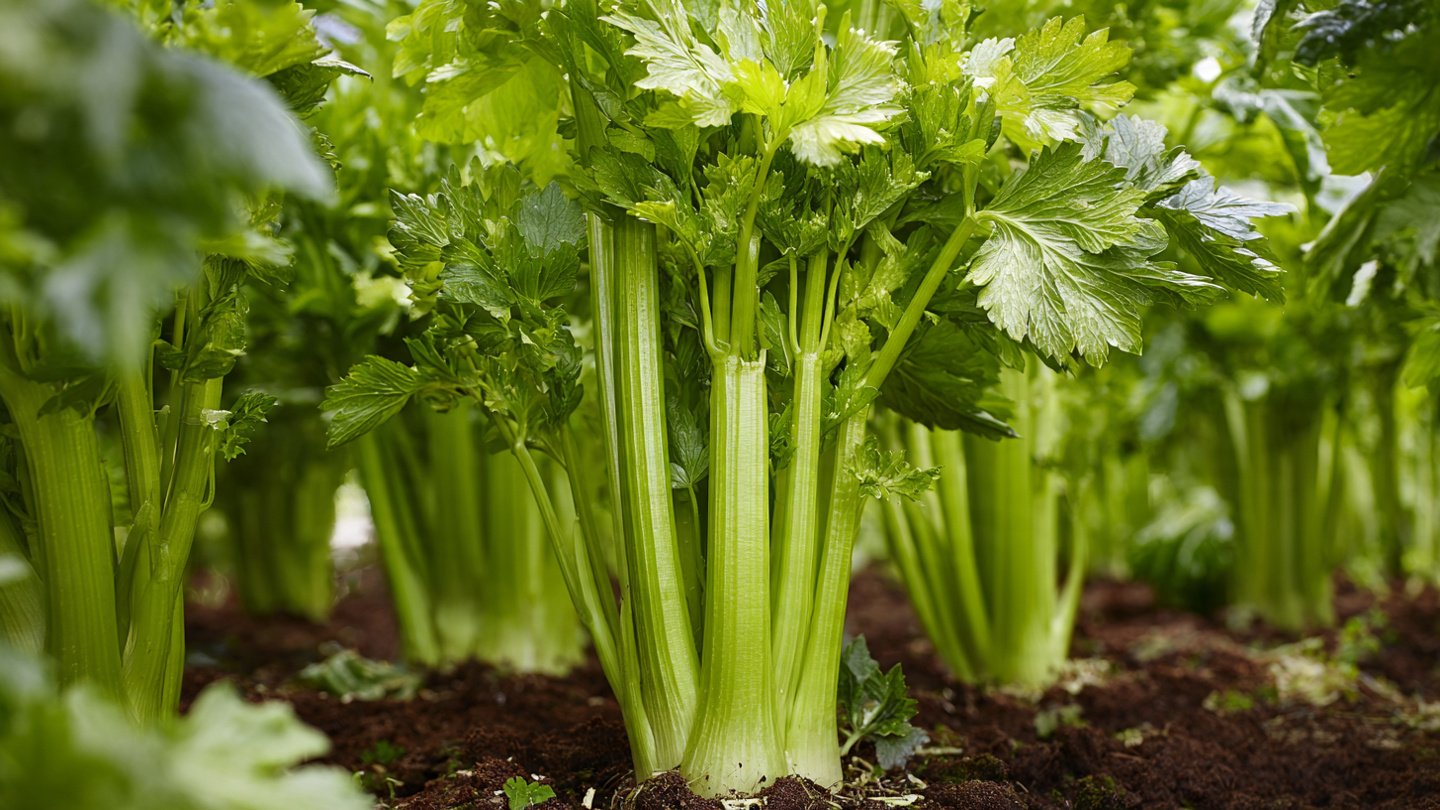
Celery is not just a crunchy snack but is also packed with vitamins and nutrients. Growing your own celery can be a rewarding experience that allows you to enjoy this healthy snack right from your garden. Knowing how to cultivate these stalks can result in fresher, tastier, and more nutritious celery than the store-bought variety. This article will delve into the secrets of growing celery successfully.
1. Understanding Celery’s Requirements
Celery thrives in cool climates, so understanding its specific needs is essential for successful growth. Here are the key requirements to keep in mind:
- Temperature: Ideal temperatures for growing celery range from 60°F to 70°F (15°C to 21°C). Celery can be sensitive to extreme temperatures, both hot and cold.
- Sunlight: Celery requires full sun for a minimum of six hours a day. However, in very hot climates, some afternoon shade can be beneficial.
- Soil: Rich, well-drained soil with a pH of 6.0 to 7.0 is ideal. Celery prefers moist, fertile soil, so incorporating organic matter can enhance growth.
2. Starting Seeds or Seedlings
You can either start celery from seeds or purchase seedlings from a nursery. Starting from seeds provides more control over the growing process but requires more time and effort.
Starting from Seeds
If you choose to start from seeds, follow these steps:
- Seed Selection: Choose high-quality seeds from a reputable supplier.
- Soaking Seeds: Soak seeds in water for 24 hours before planting. This helps to expedite germination.
- Indoor Seeding: Plant seeds indoors about 10–12 weeks before the last expected frost. Use seed-starting trays filled with seed-starting mix.
- Germination: Keep the soil moist and warm. Seeds typically germinate in 14 to 21 days.
Buying Seedlings
If time is a concern, purchasing seedlings may be a better option. Look for healthy, sturdy plants at your local nursery or garden center.
3. Transplanting Celery
Once the seedlings are about 4 to 6 inches tall and the risk of frost has passed, it’s time to transplant them into your garden or larger containers:
- Spacing: Plant celery at least 8 to 10 inches apart to allow for ample growth.
- Depth: Transplant seedlings deeper than they were in their pots for strong root development.
- Watering: Water thoroughly after transplanting to help settle the soil.
4. Maintaining Healthy Growth
Celery has specific care needs during its growing period. Here are some tips to ensure your celery grows strong and healthy:
Watering
Celery requires consistent moisture, so be sure to water regularly. Aim for about 1 to 2 inches of water per week, keeping the soil consistently moist but not soggy. Drip irrigation can be effective for providing consistent moisture.
Fertilization
Feed your celery with a nitrogen-rich fertilizer every four weeks. Organic options include compost, fish emulsion, or alfalfa meal. Avoid high-phosphorous fertilizers, as they can hinder celery growth.
Pest and Disease Control
Keep an eye out for common pests like aphids and slugs. You can manually remove pests or use organic insecticidal soap to control infestations. Fungal diseases like blight can occur in humid conditions. Ensure good air circulation and resist overwatering to minimize these risks.
5. Knowing When to Harvest
Celery typically takes about 85 to 120 days to reach harvest size. Here are some signs it’s time to harvest:
- Size: Celery stalks should be at least 8 inches tall and have a thick, firm appearance.
- Color: Stalks should have a bright green color, indicating they are ready to harvest.
To harvest, use a sharp knife to cut the stalks at the base, leaving the root system intact. This can encourage more growth if you want to harvest again in the future.
6. Enjoying Your Homegrown Celery
Once harvested, your celery can be enjoyed in various ways:
- Raw: Slice and enjoy with hummus or peanut butter for a healthy snack.
- Cooked: Add to soups, stews, and stir-fries for added flavor and crunch.
- Juiced: Celery juice has gained popularity as a health drink, offering hydration and nutrients.
Conclusion
Growing your own celery can be a fulfilling endeavor that rewards you with fresh, nutritious snacks. By understanding its requirements, providing proper care, and knowing when to harvest, you’ll be on your way to enjoying homegrown celery in no time. Whether you choose to start from seeds or seedlings, the joy of nurturing your plants will make the effort worth it.
FAQs
1. How long does it take for celery to grow?
Celery typically grows for 85 to 120 days, depending on the variety and growing conditions.
2. Can you regrow celery from scraps?
Yes, you can regrow celery by placing the base of the stalk in water. It will sprout new leaves after a week or two.
3. Does celery need full sun?
Yes, celery grows best in full sun but benefits from some shade in extremely hot conditions.
4. What is the ideal pH for celery growth?
The ideal pH level for growing celery is between 6.0 and 7.0.
5. Are there any common pests that affect celery?
Yes, common pests include aphids, slugs, and cutworms. Monitoring your plants regularly can help control infestations.