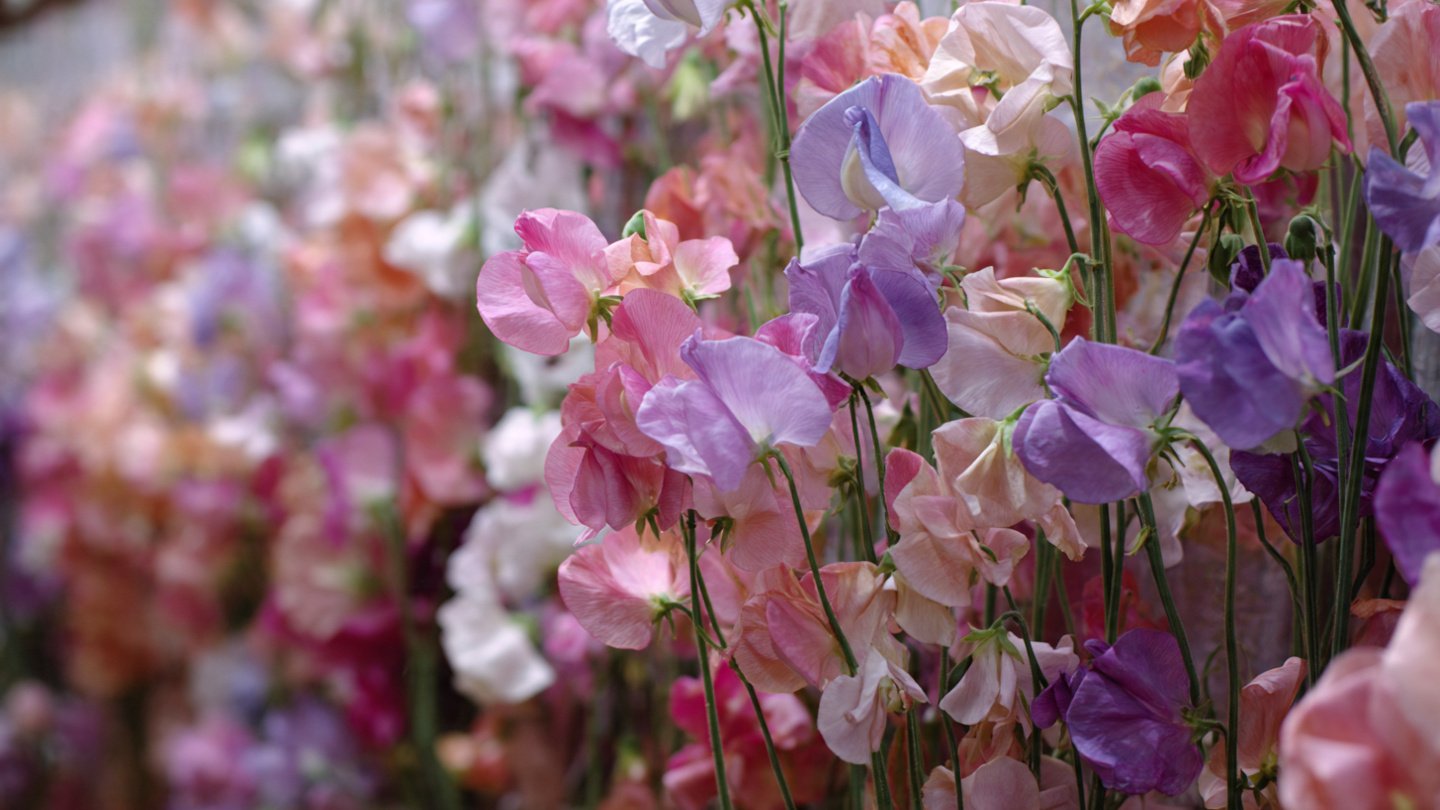
Creating a stunning vertical garden of sweet peas for flower cutting is an engaging and rewarding project for any gardening enthusiast. Vertical gardens not only save space but also add a striking visual element to your outdoor or indoor spaces. Sweet peas (Lathyrus odoratus) are particularly cherished for their fragrant blooms and ability to thrive in a vertical setting. Here’s a comprehensive guide on how to cultivate a beautiful vertical sweet pea garden that can provide an abundance of blooms for cutting.
Selecting the Right Location and Conditions
Before planting, consider your garden’s location. Sweet peas thrive in full sunlight, so choose a spot that receives at least six hours of direct sunlight each day. They prefer well-drained soil enriched with organic matter. Conduct a soil test to determine the pH and nutrient levels; sweet peas flourish in slightly alkaline to neutral soil (pH 6.0 to 7.5).
Consider environmental factors such as wind and moisture. A sheltered spot will protect delicate stems from harsh winds and extreme temperatures. If your area experiences heavy rainfall, ensure adequate drainage to prevent root rot.
Choosing the Perfect Sweet Pea Varieties
Sweet peas come in an array of colors, sizes, and fragrances. Selecting the right variety is crucial to achieving a stunning garden. Choose varieties known for their climbing abilities, ensuring they can easily reach vertical supports. Some popular climbing varieties include:
-
Eclipse: Known for its vibrant, bi-colored blossoms, this variety offers a sweet fragrance that attracts pollinators.
-
Blue Supreme: This cultivar boasts striking blue blossoms, adding a unique touch to your garden.
-
Old Spice Mix: A blend of fragrant blooms in various colors, perfect for cutting arrangements.
Select a mix of colors and shapes to create a visually appealing garden. Mixing early and late bloomers ensures a longer flowering period for cutting.
Preparing the Soil
Once you’ve chosen your location and variety, the next step is soil preparation. Clear the area of any weeds or debris, then loosen the soil with a spade or tiller to a depth of at least 12 inches. Incorporate organic matter like compost or aged manure to boost fertility and drainage.
Consider adding bone meal or rock phosphate to enhance phosphorus levels, which promotes strong root development. A balanced fertilizer can also be beneficial; choose one low in nitrogen to prevent excessive leaf growth at the expense of flowers.
Designing the Vertical Structure
Creating a vertical garden requires thoughtful design. The structure should support the sweet peas as they grow, allowing them to climb freely. Popular vertical support options include:
-
Trellises: Wooden or metal trellises serve as excellent support structures. Make sure they are tall—at least six feet—to accommodate the growing plants. Space the trellis sections about three feet apart to allow for ample air circulation.
-
Fencing: Existing fences can double as supports for sweet peas. Ensure the fence has enough gaps for the plants to cling to.
-
Netting or String: If you prefer a minimalist approach, stretch netting or strong strings between posts to create a grid for the plants to climb.
Planting Sweet Peas
Timing is critical when planting sweet peas. They are cool-season annuals that thrive in cooler temperatures, typically planted in early spring or late winter in milder climates. Seeds should be sown about 1 inch deep and spaced 2 to 4 inches apart, depending on the variety.
For better germination, soak the seeds in water for a few hours before planting. This softens the seed coat and encourages quicker sprouting. After planting, water gently to avoid displacing the seeds. Keep the soil consistently moist but not waterlogged as the seedlings establish.
Caring for Your Vertical Garden
Once your sweet peas are planted, ensure they receive consistent care. Regular watering is essential, especially during dry spells. Aim to keep the soil evenly moist, using mulch to help with moisture retention.
As the plants grow, gently encourage them to climb the supports. Use soft ties or garden twine to attach stems if necessary, being cautious not to damage the delicate shoots. Regularly check for pests, such as aphids or snails, and remove them promptly.
Fertilizing is also important; apply a balanced fertilizer every 4 to 6 weeks to ensure the plants receive adequate nutrition. However, avoid over-fertilizing, as this can lead to lush foliage but fewer blooms.
Dealing with Pests and Diseases
While sweet peas are generally resilient, they can fall victim to common pests and diseases. Aphids are a frequent issue; if you see them, spray the plants with a strong jet of water or use organic insecticidal soap. Other pests to watch for include snails and slugs, which can be managed with traps or barriers.
Fungal diseases such as powdery mildew can occur, particularly in humid conditions. Ensure proper air circulation by spacing plants appropriately and avoid overhead watering to decrease humidity. If powdery mildew appears, treat it with a fungicide or homespun remedies like a mixture of water and baking soda.
Harvesting Sweet Peas for Cutting
Sweet peas are not only charming in the garden but also exceptional for floral arrangements. For cutting, harvest the flowers in the morning when they are fully open but not yet wilting. Use sharp scissors or garden shears to cut the stems at an angle. This increases the surface area for water absorption, extending the life of the blooms in a vase.
When cutting, regularly check for dead or fading flowers and remove them to encourage new blooms. Routine harvesting promotes more flowering, helping you enjoy a continuous supply for your arrangements.
Designing Stunning Arrangements
With your sweet peas flourishing, it’s time to create beautiful floral arrangements. Mix sweet peas with other complementary blooms, such as daisies, zinnias, or feverfew, to enhance their fragrance and visual appeal. Use different heights and shapes to create dynamic and interesting arrangements.
Additionally, sweet peas have a delicate nature, so consider using floral preservative in the water to prolong their freshness. Change the water every few days and trim the stems slightly to maintain optimal hydration.
Extending the Growing Season
To ensure you can enjoy sweet peas beyond the initial bloom, consider planting successive crops. Sow seeds every few weeks throughout the growing season to achieve a staggered bloom. In climates with short growing seasons, consider protecting the plants with row covers to maintain warmth and extend their lifespan.
You may also explore overwintering options. In mild climates, some gardeners leave their sweet peas in the ground, while in cooler areas, consider growing them in pots and bringing them indoors for the winter.
Maintaining a Sustainable Vertical Garden
As you cultivate your stunning vertical garden, consider sustainable practices to ensure longevity and productivity. Practice crop rotation by planting different varieties in the same spot each year to prevent soil depletion and reduce disease risks.
Companion planting can also aid in pest control. For example, planting sweet peas alongside herbs like basil or marigolds can deter harmful insects while providing additional resources for pollinators.
Enjoying the Fruit of Your Labor
The ultimate reward for your efforts is the enchanting sight and scent of sweet peas blooming in your vertical garden. Whether showcased in your home or gifted to friends, the beauty and fragrance of sweet peas can brighten anyone’s day.
By creating a stunning vertical garden of sweet peas for cutting, you embark on a delightful journey that enriches your gardening experience and enhances your living space. With the right planning, care, and creativity, your garden will thrive and provide you with abundant blooms season after season.