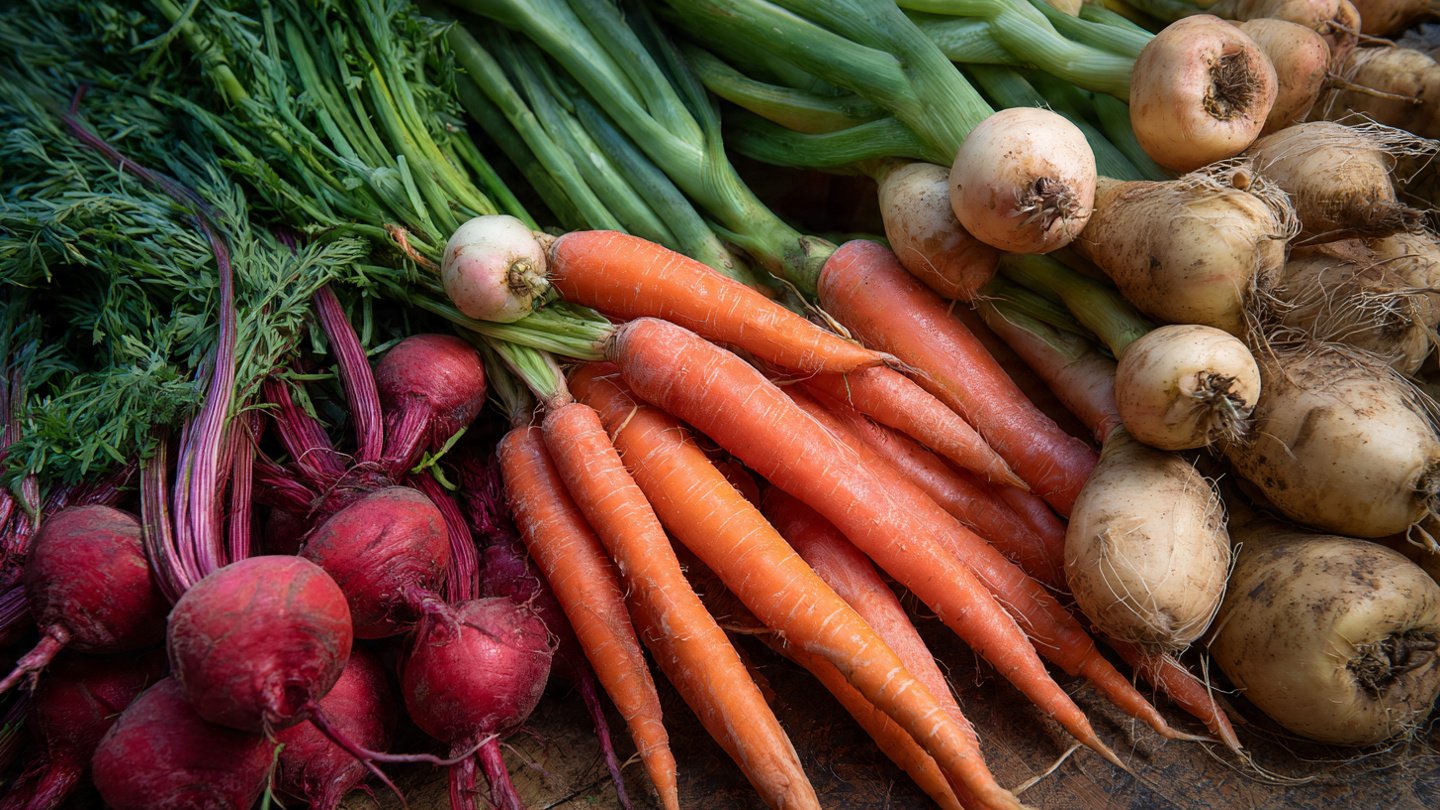
Harvesting vegetables at the right time is crucial for ensuring their quality and taste. The practice of late harvesting, where vegetables are picked after their optimal ripeness, can lead to various detrimental effects. This article explores the impacts of late harvesting on vegetable quality, flavor, nutritional content, and overall consumer experience.
Understanding Harvesting Timing
Harvest timing is pivotal in vegetable cultivation. Each type of vegetable has its ripening window, which, when missed, can lead to a significant decline in quality. The harvesting time affects factors such as sweetness, texture, nutritional value, and shelf life. For example, tomatoes and cucumbers are often harvested during specific stages of growth for maximum flavor, while other vegetables like carrots can be left in the ground longer without adverse effects.
Effects on Vegetable Quality
Texture
One of the first noticeable changes in vegetables harvested late is their texture. For instance, leafy greens like lettuce or spinach may become tough and fibrous, making them less appealing for fresh salads. Root vegetables, such as potatoes and carrots, may also experience altered textures; carrots become woody, while potatoes may develop a mealy consistency.
Flavor
Flavor is profoundly influenced by the timing of harvest. Late-harvested tomatoes often lose their balance of acidity and sweetness, leading to a bland taste. Beans may become starchy and unpalatable, while peppers can lose their characteristic sweetness and crispness. The ideal flavor profile is achieved when vegetables are harvested at peak ripeness, ensuring a vibrant and satisfying taste that consumers expect.
Aroma
The aroma of vegetables is essential for consumer appeal and overall enjoyment. Many volatile compounds responsible for pleasant aromas can degrade over time. For instance, herbs like basil or cilantro lose their fragrant oils when left too long, leading to diminished culinary applications.
Nutritional Impact
Late harvesting not only affects taste and texture but can also compromise the nutritional value of vegetables. Research indicates that vitamins and minerals can degrade after vegetables pass their peak ripeness. For example, vitamin C diminishes in fruits and vegetables as they over-ripen. Additionally, antioxidants, which are vital for combating oxidative stress in the body, are often most concentrated just before and at the time of harvest.
Post-Harvest Handling and Shelf Life
Shelf Life
Over-ripened vegetables tend to have a shorter shelf life when compared to those harvested at the appropriate time. They are more susceptible to spoilage organisms, which can further diminish flavor and quality. This leads to increased food waste and financial losses for growers and retailers alike.
Handling Practices
Improper handling of late-harvested vegetables can exacerbate quality issues. Bruising and damage are more likely to occur with overripe produce, resulting in further degradation. Establishing best practices in handling and transportation is crucial for maintaining the integrity of vegetables that are harvested late.
Consumer Perception
The effects of late harvesting extend beyond just the vegetables themselves; they significantly influence consumer perception. Shoppers often associate freshness with the quality and taste of vegetables. When vegetables do not meet expectations, it can lead to decreased customer satisfaction and loyalty. This can be particularly damaging in stores focusing on local or organic produce, where consumers have higher standards and expectations.
Culinary Applications
Chefs and home cooks prefer vegetables that offer vibrant flavors and appealing textures. Late-harvested vegetables typically do not perform well in culinary applications, from salads to soups. Many recipes require vegetables to be fresh and crisp to provide the base flavors and textures that are crucial for successful dishes. When vegetables are overripe, chefs may need to adapt their recipes or substitute with fresher alternatives, which can alter the intended outcome.
Alternatives to Late Harvesting
Farmers can mitigate the effects of late harvesting through careful planning and management. Here are some viable alternatives:
Regular Monitoring
Farmers should regularly monitor their crops for signs of ripeness. Utilizing tools like color charts and taste tests can help determine the ideal harvest time. This proactive approach can save time and resources while enhancing product quality.
Educational Resources
Providing education on optimal harvesting techniques can help farmers maximize the quality of their produce. Workshops and training sessions can empower growers to make informed decisions on when to harvest based on their specific crop varieties.
Consumer Engagement
Engaging consumers in the farm-to-table process can create awareness about the importance of harvesting times. Sharing information regarding the benefits of locally sourced, freshly harvested vegetables can encourage consumers to value quality over mere convenience.
Conclusion
In summary, the effects of late harvesting on vegetable quality and taste are significant and multifaceted. From diminished flavor and texture to decreased nutritional value and adverse consumer perceptions, the consequences of delay can have far-reaching implications. By prioritizing optimal harvesting practices, growers can ensure their vegetables are at their best, offering consumers the quality and flavor they seek. Ultimately, this not only enhances the dining experience but also supports a more sustainable and efficient food system.
FAQs
Q1: What is the best time to harvest tomatoes?
A1: Tomatoes are best harvested when they are fully colored, slightly soft to the touch, and fragrant. This usually occurs when they are fully ripe on the vine.
Q2: How does late harvesting affect the taste of vegetables?
A2: Late harvesting often leads to a bland or off flavor, as the balance of sugars, acids, and other compounds can shift negatively.
Q3: Can I still eat vegetables that were harvested late?
A3: Yes, but the taste, texture, and nutritional content may be compromised. It’s best to consume them when they are fresh to fully enjoy their flavors and health benefits.
Q4: Are there certain vegetables more affected by late harvesting?
A4: Yes, vegetables such as tomatoes, beans, and leafy greens tend to suffer more when harvested late compared to hardier vegetables like carrots or potatoes.
Q5: What can I do to ensure I harvest vegetables at the right time?
A5: Regular monitoring of your crops, understanding the specific needs of each variety, and utilizing taste tests can help ensure optimal harvest times.