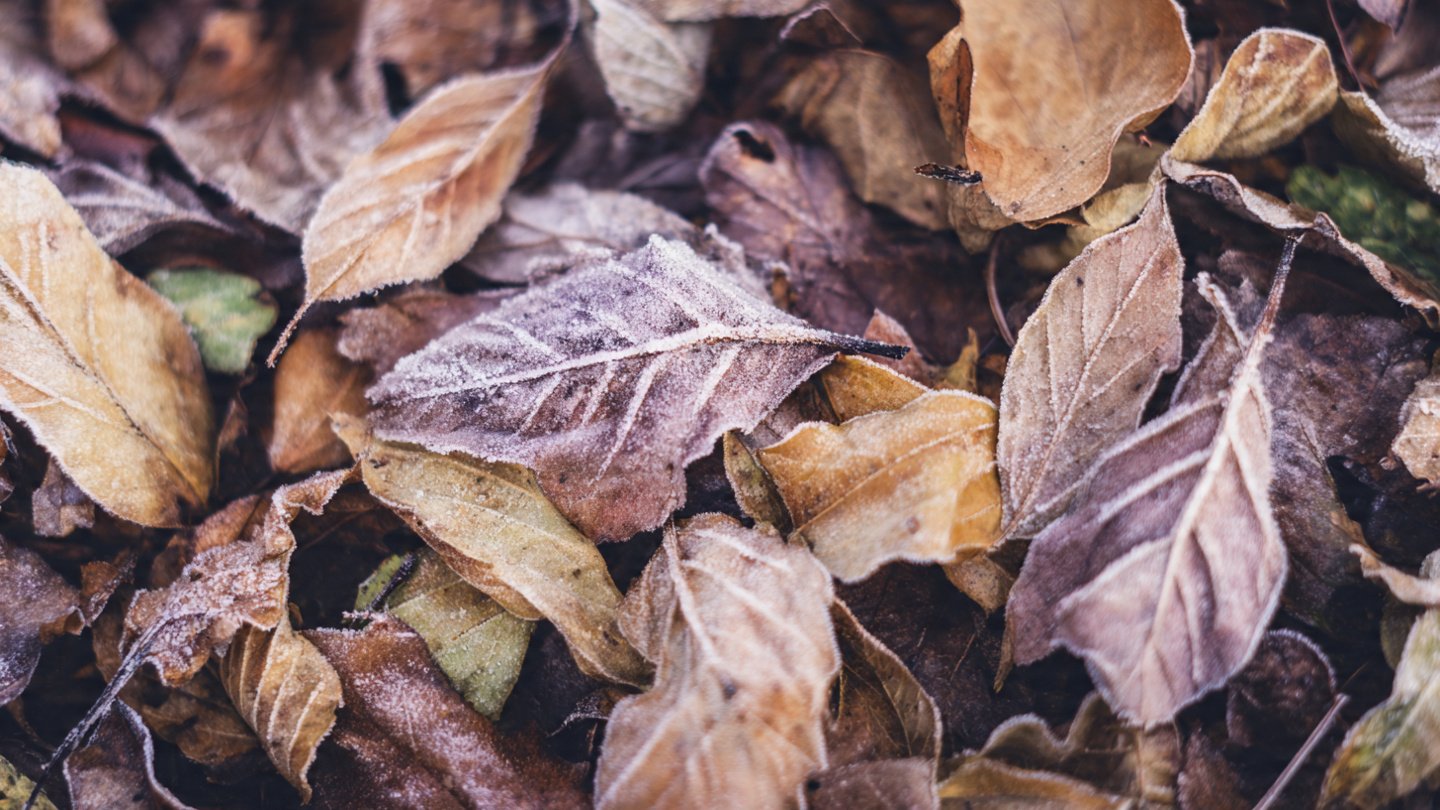
Composting is an essential process in waste management that transforms organic materials into nutrient-rich soil. It is performed through the decomposition of organic matter by microorganisms. However, temperature plays a critical role in this natural process. Cold temperatures can significantly affect the efficiency and effectiveness of composting. In this article, we explain how low temperatures impact the composting process, the microbial activity involved, and how to manage composting in colder climates.
The Composting Process Overview
The composting process primarily involves the breakdown of organic materials through various stages. The main players in composting are microorganisms like bacteria, fungi, and other decomposers. The decomposition process can be divided into two main phases:
- Mesophilic Phase: This initial stage occurs at temperatures between 68°F (20°C) and 113°F (45°C). In this phase, mesophilic bacteria flourish, breaking down proteins, carbohydrates, and fats.
- Thermophilic Phase: As microorganisms continue decomposing organic matter, the temperature can rise to between 113°F (45°C) and 160°F (70°C), fueled by the activity of thermophilic bacteria. This phase is crucial for pathogen reduction and weed seed destruction.
How Cold Temperatures Affect Composting
When temperatures dip below the optimal range for microbial activity, the composting process slows down considerably. Here are the primary effects of cold temperatures on composting:
1. Decreased Microbial Activity
Microbial activity is vital for breaking down organic matter. In cold conditions, bacterial activity significantly decreases, slowing down the decomposition process. As temperatures fall, the rate at which organic material breaks down can reduce dramatically. Microorganisms are less active below 50°F (10°C), and most bacteria become dormant below freezing temperatures.
2. Increased Aeration Needs
In colder climates, compost heaps can become compacted, limiting airflow. Increased aeration is necessary to promote microbial activity; without proper airflow, anaerobic bacteria—those that don’t require oxygen—can thrive. This results in a foul odor and less efficient composting. To mitigate this, it’s crucial to turn the compost more frequently in cold weather.
3. Changes in Carbon to Nitrogen Ratio
Cold temperatures can also influence the carbon to nitrogen (C:N) ratio within the compost pile. A balanced C:N ratio (usually 30:1) is essential for efficient composting. As decomposition slows down, materials high in nitrogen, such as grass clippings, may not break down as quickly, altering the balance and potentially leading to nutrient lockup.
4. Insulation and Heat Retention
Maintaining heat in a compost pile is crucial for keeping microbial activity alive. In cold weather, composters may need to insulate their heaps with hay, straw, or even tarps to retain heat. Insulating a compost pile helps maintain a higher internal temperature, allowing bacteria to continue breaking down organic matter more efficiently.
Ways to Optimize Composting in Cold Weather
While cold temperatures pose challenges for composting, several strategies can help optimize the process:
1. Choose the Right Composting Method
Some composting methods are more suited for cold climates than others. For instance:
- Hot Composting: This method requires more effort but can generate internal heat through active management and the right material balance. Regular turning and maintaining an ideal C:N ratio can help.
- Vermicomposting: Using worms is another method that thrives regardless of temperature, as worms actively process organic matter even in colder conditions.
2. Use Insulation
Insulating your compost pile with straw bales or tarps can help retain heat. Ensuring that the pile is at least 3 feet wide and high can also aid in maintaining temperature, as larger piles naturally generate and retain heat more effectively.
3. Add Hot Materials
Incorporating ‘hot’ materials such as manure or fresh green waste can help boost microbial activity and heat generation within the pile. This addition can serve as an activator and may help counteract cold conditions.
4. Layering Techniques
Layering is a crucial method in cold weather composting. Ensure there are alternating layers of carbon-rich (brown) and nitrogen-rich (green) materials. This balanced approach creates pockets of heat as microorganisms will naturally work within these layers.
Conclusion
Composting in cold temperatures presents unique challenges, primarily due to decreased microbial activity and the potential for composting inefficiencies. However, by understanding these effects and implementing effective strategies, composting can still be successful even in the depths of winter. Maintaining insulation, increasing aeration, and strategically using the right composting methods can help optimize the composting process, transforming organic waste into valuable compost and enriching the soil during colder months.
FAQs
1. Can I compost in freezing temperatures?
Yes, you can compost in freezing temperatures, but the process will slow down significantly. It’s essential to insulate your compost pile and use methods that promote heat retention.
2. What should I do if my compost pile smells in the cold?
Odors may indicate anaerobic conditions due to compaction or a C:N imbalance. Turning the pile and aerating it can help alleviate the smell and improve microbial activity.
3. Is there a specific temperature range for composting effectively?
The ideal temperature range for active composting is between 120°F (49°C) and 160°F (71°C). Composting can occur at lower temperatures, but the efficiency will drastically reduce.
4. How often should I turn my compost in winter?
During winter, it is advisable to turn your compost every 4-6 weeks to maintain adequate aeration and help retain heat within the pile.
5. What materials should I avoid composting in cold weather?
Avoid adding overly wet materials or highly carbon-rich materials that slow down decomposition (like dry leaves) without sufficient nitrogen-rich materials to activate the process.