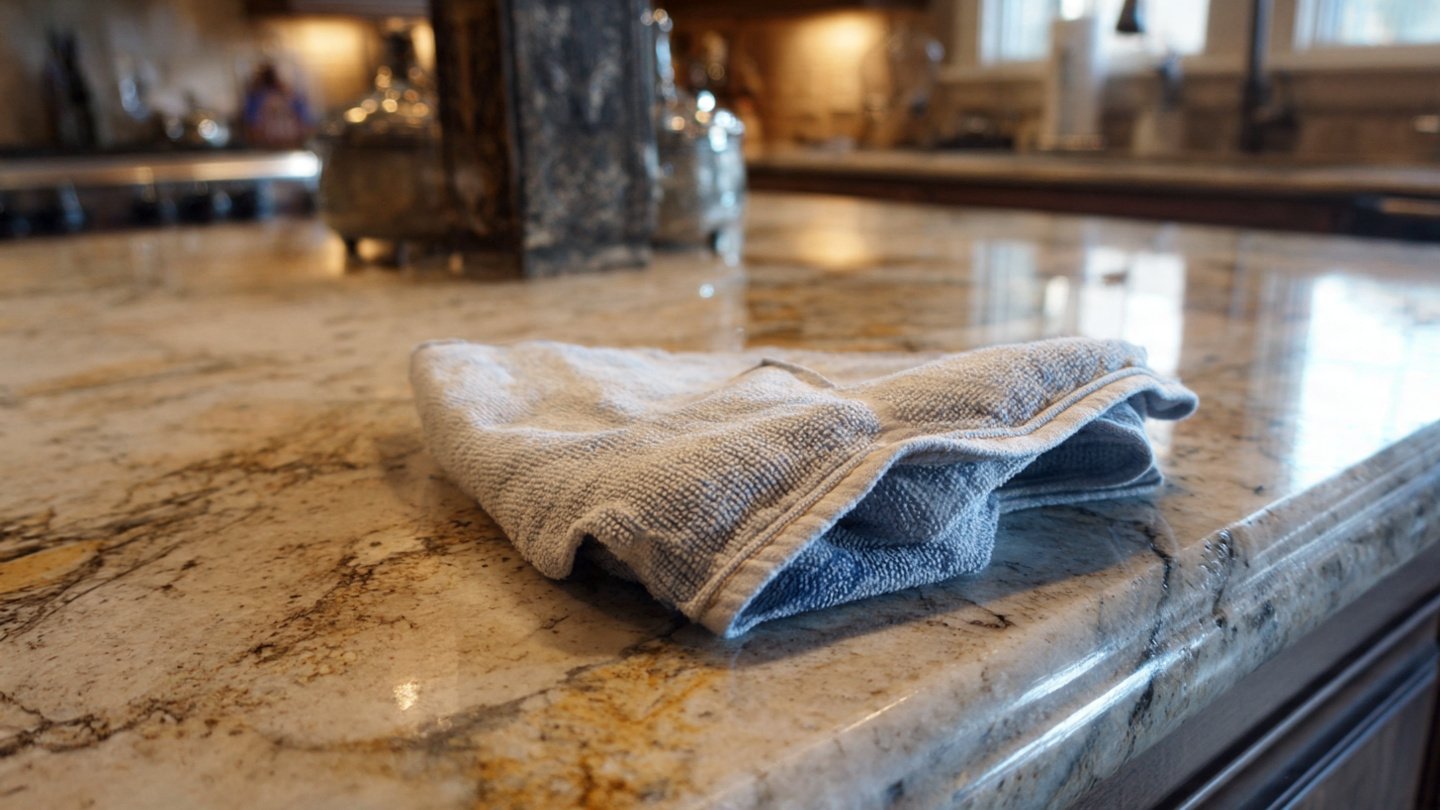
Countertops are one of the most utilized surfaces in any home. Whether you’re preparing meals, hosting friends, or simply enjoying a cup of coffee, your countertops bear the brunt of daily life. As a result, maintaining their appearance is essential. Many homeowners instinctively reach for convenient countertop wipes to keep surfaces clean. However, what they may not realize is that these seemingly harmless cleaning tools can cause unsightly scratches on finishes over time. This article delves into the causes of these scratches, the materials commonly used for countertops, the types of wipes that might be causing the damage, and how to ensure the longevity of your surfaces.
Understanding Countertop Finishes
Before diving into the problematic effects of daily wipes, it’s vital to understand the different types of countertop finishes:
1. Natural Stone
Granite, marble, and limestone are popular choices for their beauty and durability. However, they are porous materials and require sealing to resist stains and scratches. While natural stone can be more resilient than other surfaces, improper cleaning methods can still lead to surface scratches.
2. Laminate
Made from layers of synthetic materials, laminate countertops are budget-friendly and come in various designs. However, they are susceptible to scratching and damage from abrasive cleaners.
3. Quartz
Engineered from natural quartz crystals and resin, quartz countertops combine aesthetic appeal with durability. They are less porous than natural stone but can still be scratched by abrasive materials.
4. Wood
Wood countertops are cherished for their warmth and character. However, they require careful maintenance to prevent scratches and stains. Many wood finishes are particularly vulnerable to abrasion.
5. Concrete
Concrete countertops provide a modern, industrial look but can also develop scratches, especially if the finish has not been sealed properly.
The Nature of Daily Wipes
Countertop wipes, often advertised as quick and easy cleaning solutions, are designed to eliminate bacteria, grease, and grime. They are convenient, but many of these wipes contain:
- Harsh Chemicals: Ingredients such as bleach or ammonia, although effective at cutting through grime, can degrade the finish on various surfaces over time.
- Abrasives: Some wipes include micro-abrasive materials intended to help lift dirt. These particles can be damaging when used on delicate finishes.
The Scratch Factor: How Daily Wipes Cause Damage
1. Abrasive Particles
Microfiber and similar cleaning wipes often promise to be gentle, but they can harbor tiny particles from dirt and debris that scratches surfaces when wiped. Daily use can create a cumulative effect, leading to visible scratches.
2. Chemical Reactions
Many wipes contain chemicals that react with countertop finishes—especially those that are not stone or metal. These can eat away at the protective layers on countertops, causing the surface to wear down more quickly. Over time, this deterioration may lead to scratches as weaker areas of the finish begin to flake or wear away.
3. Inconsistent Pressure
When using wipes, people often apply varying amounts of pressure. Scrubbing too hard not only increases the risk of scratching but can also cause uneven wear on finishes.
4. Improper Wiping Technique
For many, the technique of wiping in circles or back and forth can inadvertently cause scratches. Circular motions may create swirls, while back-and-forth can lead to straight scratches, especially on glossy surfaces.
Signs That Your Countertop Is Used Daily
It’s essential to recognize the signs that your countertop is suffering from damage due to daily cleaning practices:
1. Visible Scratches
The most obvious sign is the presence of scratches themselves, which can vary in visibility depending on the finish and lighting.
2. Dullness
Countertops that were once glossy or vibrant may start to look dull or worn. This can be an indicator of a compromised finish caused by daily cleaning practices.
3. Discoloration
Certain chemicals in wipes can cause discoloration on lighter polished surfaces, leaving behind yellowed or faded patches.
Prevention Strategies
To preserve the beauty and integrity of your countertops, consider the following preventive measures:
1. Choose the Right Cleaning Products
Opt for gentle, pH-balanced cleaners specifically designed for your countertop material. Avoid products that contain bleach, ammonia, or harsh abrasives.
2. Use a Soft Cloth
Instead of wipes, consider using a soft microfiber cloth and warm soapy water for daily cleaning. This method minimizes the risk of scratches while still effectively removing grime.
3. Adopt a Better Wiping Technique
Use a gentle, consistent pressure with sweeping motions. Avoid scrubbing or rubbing excessively, which can lead to scratches and uneven wear on the surface.
4. Seal and Protect
For natural stone finishes, regular sealing is crucial. Ensure that your countertops are properly sealed based on the recommendations for your specific material. This protective barrier will help resist scratches and stains.
5. Implement Daily Maintenance Routines
Regularly check your countertops for signs of wear and tear. Taking early action to repair any damage can help extend the life of your surfaces.
Long-Term Solutions
If your countertops already show signs of wear from wipes, consider these solutions:
1. Buffing and Polishing
Light surface scratches can often be buffed out using a polishing compound appropriate for your countertop material. This can restore some level of gloss and mitigate the appearance of scratches.
2. Resurfacing
For more severe damage, you may need to hire professionals to resurface the countertops. This process can eliminate deeper scratches and restore the original appearance of the material.
3. Re-sealing
After buffing or resurfacing, ensuring proper sealing is crucial. This adds a fresh protective layer to prevent future damage.
Conclusion
While convenience is one of the attractive features of daily countertop wipes, homeowners must be aware of the potential risks they pose. Unsightly scratches and damage to finishes can quickly diminish the beauty of your surfaces. By understanding your countertops’ material, keeping an eye on cleaning products, and adopting better cleaning practices, you can ensure that your countertops remain pristine and functional for years to come.
Investing time in proper maintenance and care not only protects your countertops but also prolongs their life, preserving the look and feel of your kitchen or bathroom. Remember, protecting your countertops is as vital as choosing the right ones. With informed decisions and best practices, your countertops can thrive, adding beauty and value to your home for many years.