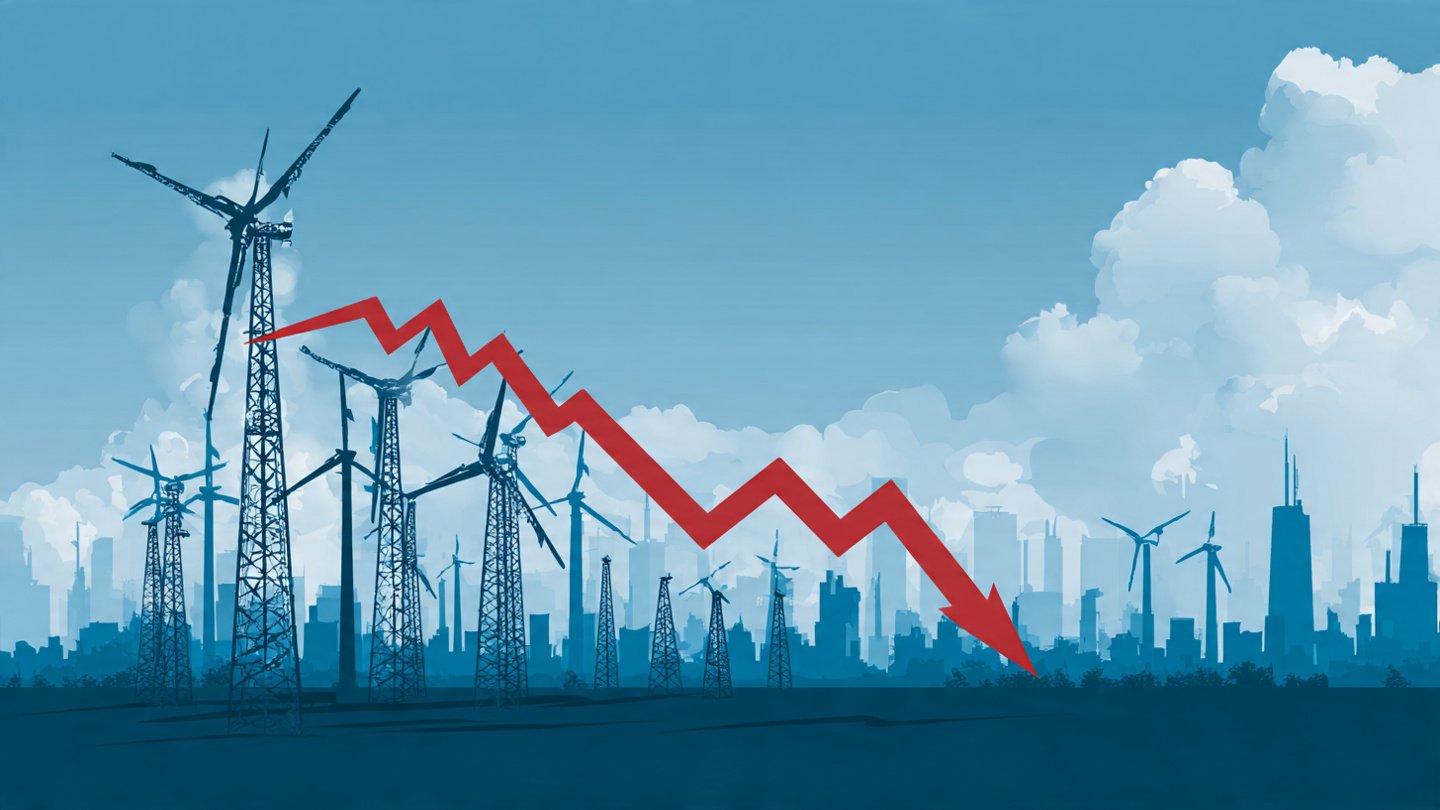
The transition to clean energy has been heralded as essential for sustainable development, yet the phenomenon known as the Cycle of Clean Energy Decline poses significant challenges. This cycle reflects the struggle between the ambition of achieving sustainable energy solutions and the stark realities of economic, political, and technological hurdles. Understanding this cycle is critical to creating effective strategies for a sustainable future.
Understanding the Cycle of Clean Energy Decline
The Cycle of Clean Energy Decline can be seen as a repeating series of events that affect the development and implementation of renewable energy sources. It consists of three main stages:
- Initial Growth: This stage typically begins with a surge in investment and interest in clean energy technologies. Governments, private sectors, and consumers recognize the need to shift away from fossil fuels.
- Regulatory Roadblocks: As initial investments begin to bear fruit, challenges emerge. Regulatory hurdles, market fluctuations, and political turbulence often lead to a decline in investment and innovation, which stymies progress.
- Market Reassessment: After the dip, stakeholders reassess the market dynamics. If conditions improve—through technological advances or policy changes—renewed investment may occur, restarting the cycle.
Initial Growth of Clean Energy
The initial growth phase is often characterized by a variety of factors that drive the adoption of clean energy solutions:
- Technological Innovation: Breakthroughs in solar, wind, and battery technologies significantly reduce costs, making clean energy competitive with fossil fuels.
- Government Policy: Aggressive government policies, including subsidies and tax incentives, spur investments in renewable energy.
- Public Awareness: Increased public concern about climate change and environmental degradation leads consumers to favor sustainable energy sources.
However, this phase is not without challenges. Existing fossil fuel industries, which wield significant economic and political power, begin to push back, laying the groundwork for the regulatory roadblocks that follow.
Regulatory Roadblocks: The Decline Phase
Once clean energy initiatives gain momentum, they often encounter a variety of obstacles:
- Policy Uncertainty: Changes in political leadership can lead to inconsistent policies, causing confusion and hesitancy among investors.
- Market Saturation: Over-reliance on certain technologies can lead to market saturation, resulting in diminishing returns on investment.
- Infrastructure Limitations: Inadequate infrastructure for clean energy generation and distribution can hinder the growth of renewable sources.
These factors can contribute to a decline in investment and innovation in the clean energy sector, perpetuating a cycle of stagnation. The implications of this decline are profound, affecting job creation, innovation, and ultimately, progress towards sustainability.
Market Reassessment and Potential Recovery
After experiencing decline, the market may undergo a reassessment phase. Essential questions arise regarding the future of clean energy and sustainability:
- Is there a renewed public investment? If public demand for clean energy remains strong, governments may feel pressured to reinstate subsidies and incentives.
- What role does technological advancement play? Innovations in energy storage, grid resiliency, and smart technologies can rekindle investor confidence.
- How do market conditions evolve? Changes in global markets, particularly fossil fuel prices, may alter the attractiveness of renewable energy investments.
If the conditions align favorably, investments may resume, leading to another round of growth, but financial institutions must exercise caution due to the previous declines. This cycle can continue, leading to the question: how can we break it?
Strategies for Breaking the Cycle
To mitigate the Cycle of Clean Energy Decline, various strategies must be implemented:
- Stable Policy Frameworks: Establishing consistent and long-term energy policies can reduce uncertainty and encourage investment.
- Supporting Technological Innovation: Investing in research and development is crucial for driving the next wave of clean energy technologies.
- Public Engagement: Raising awareness and engaging citizens in the clean energy dialogue fosters a culture of sustainability.
By embedding these strategies into national and international energy agendas, we can turn the tide towards a more sustainable future.
Conclusion
The Cycle of Clean Energy Decline presents a complex but navigable challenge to achieving sustainability goals. As we understand the patterns and forces at play, we can design interventions that not only break the cycle but also foster lasting growth in clean energy sectors. Sustainable development does not only rest on technological advancements; it requires a multifaceted approach that includes stable policies, community engagement, and continuous innovation. Only through collective action and persistent effort can we usher in a new era of sustainable energy that meets the needs of both current and future generations.
FAQs
1. What is clean energy?
Clean energy refers to energy sources that are renewable and have a minimal negative impact on the environment, such as solar, wind, and hydroelectric power.
2. Why does the Cycle of Clean Energy Decline occur?
The cycle occurs due to a range of factors, including regulatory hurdles, market fluctuations, and shifts in political leadership that can diminish investment and innovation in clean energy.
3. How can we encourage sustainable practices in energy consumption?
Encouraging sustainable practices can involve public education, financial incentives for using renewable energy, and legislation that supports the development of clean technology.
4. What role does technology play in breaking the cycle?
Technological advancement is crucial for creating more efficient energy solutions that can compete with fossil fuels, thereby attracting investment and fostering growth.
5. What are the global implications of energy decline?
The global implications include potential setbacks in climate goals, economic instability in regions reliant on fossil fuels, and the exacerbation of global inequality in energy access.