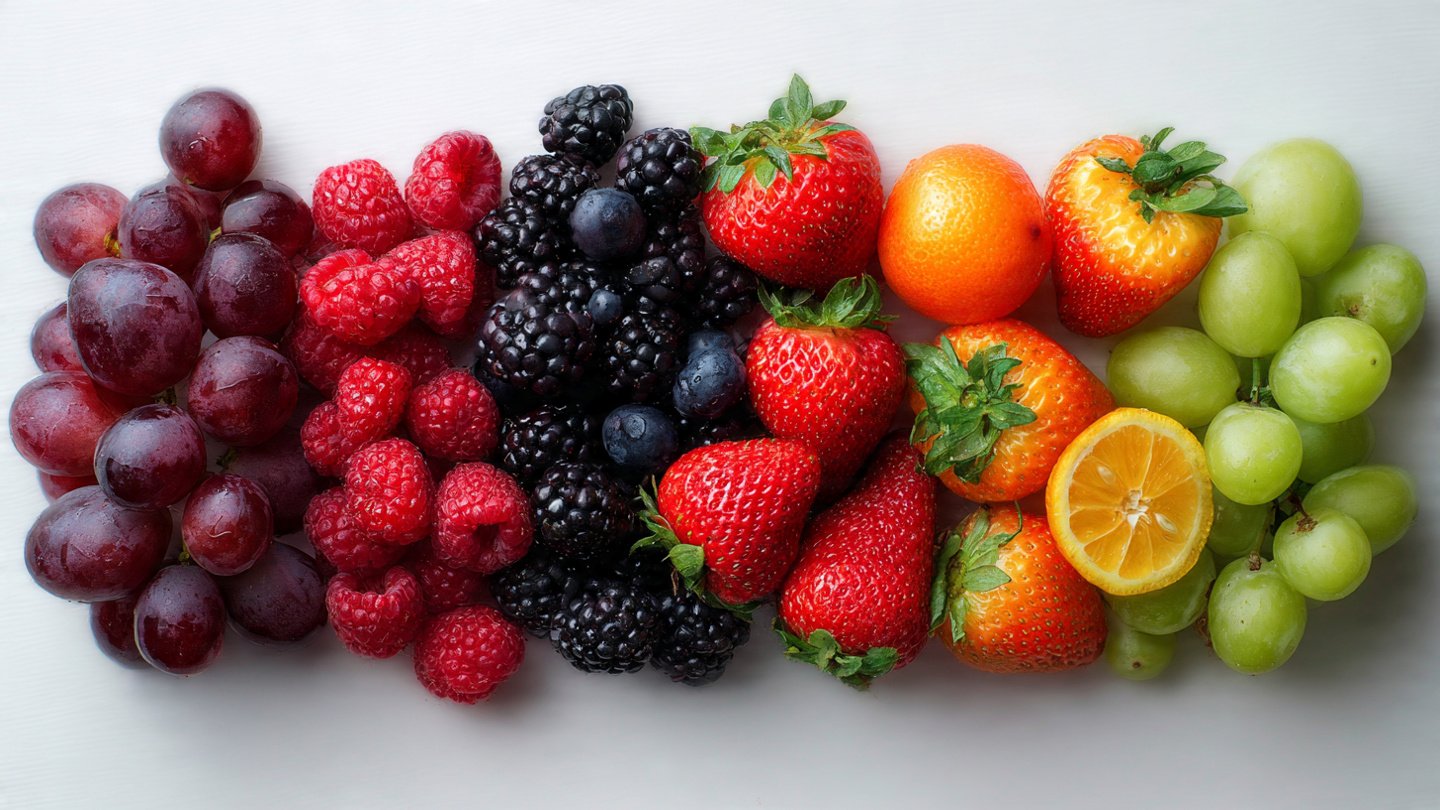
Fruits are not only a vital part of our diet, but they also bring joy, color, and flavor to our meals. However, the challenge of determining the perfect moment for harvesting or purchasing fruits can often lead to waste and missed opportunities for enjoying their best flavors. Recognizing hidden signs of fruit ripeness is a skill that benefits consumers, farmers, and the environment alike. This article explores the importance of understanding fruit ripeness, its impact on reducing waste, and how to enhance the flavor of our favorite fruits.
Understanding Fruit Ripeness
At its core, fruit ripeness is a phase in a fruit’s life cycle when it has reached an optimal state for consumption. This phase is marked by changes in color, texture, sugar content, acidosis, and aroma. Ripeness affects not just flavor, but also the fruit’s nutritional profile and the presence of certain phytochemicals that contribute to health benefits.
Ethylene’s Role in Ripening
Ethylene is a natural plant hormone that plays a crucial role in the ripening process. Released by fruits, this gaseous hormone acts as a signaling molecule, prompting enzymatic reactions that lead to the transformation of the fruit. While some fruits, like bananas and avocados, produce ethylene gas throughout their ripening, others may not manifest visible signs until the gas levels peak.
Recognizing how ethylene affects ripening can help consumers time their purchases and consumption more effectively, allowing them to enjoy fruits at their peak quality.
Recognizing Hidden Signs of Ripeness
1. Color Changes
One of the most apparent indicators of ripeness is color. However, many consumers overlook subtle shades. For instance, a ripe mango may transition from green to yellow or develop reddish blushes. Observing color gradations rather than just a finalized hue can alert you to the fruit’s ripeness.
2. Texture and Firmness
- Berries: Strawberries should yield slightly to pressure, indicating juiciness. Blackberries should appear plump and full, not shriveled.
- Peaches and Plums: These fruits should feel tender to the touch, but not overly soft. A slight give, particularly near the stem, is a good sign of ripeness.
3. Aroma
The aroma is a hidden gem in identifying ripeness. Fruits like pineapples and cantaloupes emit a sweet fragrance when they are ripe. If you can smell the sweetness from a few inches away, the fruit is likely ready for consumption.
4. Stem Attachment
Observing how easily the stem detaches can also provide insight into ripeness. A fruit that pulls away from its stem with minimal effort is often ripe. Pears, in particular, can be tricky; they are usually picked when they seem unripe to ensure they get transported safely. Checking for ripeness near the stem can help identify when they are truly ready.
5. Surface Irregularities
Small blemishes or dots on the skin of certain fruits might indicate ripening rather than spoilage. For example, the occasional spot on a banana may be a sign of sugar development, while apples can show speckles that indicate sweetness as they ripen. However, it’s essential to distinguish these from decay, which can also leave spots.
6. Sound
Believe it or not, sound can be an essential cue for ripeness. For instance, if you gently shake a watermelon and hear a hollow sound, it often indicates ripeness. This is due to the juice within the fruit being distributed evenly when it has matured.
7. Weight
A fruit’s weight is another subtle indicator of ripeness. As fruits ripen, they accumulate water and sugars, making them heavier. When selecting fruits, hefting them in your hand can provide an idea of their juiciness. A ripe peach or avocado should feel substantial.
Benefits of Recognizing Fruit Ripeness
1. Reducing Food Waste
The alarming rate of food waste is a pressing global issue. According to the Food and Agriculture Organization (FAO), roughly one-third of all food produced globally is wasted. In the case of fruits, misjudging ripeness can lead to premature consumption or spoilage. By honing our ability to identify hidden signs of ripeness, we can significantly reduce waste at both the consumer and production levels.
2. Enhanced Flavor and Nutrition
Fresh, ripe fruits are packed with flavor and nutrients. Eating fruit at these optimum times maximizes their taste and health benefits. For instance, ripe tomatoes are richer in flavor and nutrients like lycopene when they’re at their best. Likewise, a perfectly ripe avocado boasts a creamy texture that is often lost when consumed prematurely.
3. Economic Savings
Understanding ripeness can also translate to financial savings. Purchasing fruits at their peak provides better quality for your money, minimizing the chances of spoiling food. Consumers can also maximize the bang for their buck by using fruits at their prime, ultimately leading to flavorful meals that showcase their taste.
4. Supporting Local Farmers
When consumers actively seek out ripe fruits, they often support local farmers and markets. Many local growers harvest fruits at peak ripeness, allowing them to deliver fresh produce to the community quickly. This connection fosters sustainable practices and supports local economies.
5. Culinary Adventures
Having the skills to select ripe fruits unlocks numerous culinary possibilities. Ripe fruits lend themselves well to sauces, salads, desserts, and beverages. When fruits are at their peak freshness, a world of flavor becomes accessible, enhancing both home cooking and dining experiences.
Practical Tips for Consumers
1. Know the Season
Different fruits have particular seasons when they are most likely to be ripe. Educating yourself about these cycles not only helps in selecting fruits but also in understanding when to purchase them locally.
2. Avoid Refrigeration Before Ripening
Many fruits, particularly those that produce high ethylene levels, should not be refrigerated until they ripen. Placing apples or bananas in the fridge too soon can hinder their natural ripening process.
3. Use the Paper Bag Trick
If you have fruits that need to ripen, consider placing them in a paper bag. This concentrates ethylene gas around the fruit, speeding up the ripening process. Adding an apple or banana can further enhance this effect due to their high ethylene production.
4. Ask Local Vendors
Engaging with farmers and local vendors can enhance your understanding of fruit ripeness. They can offer insights on how to choose the best fruits and may even provide tasting samples.
5. Experiment with Different Ripeness Levels
Sometimes, ripeness can be subjective based on personal preference. Trying fruits at various stages can lead to new flavor discoveries and help you understand your own palate better.
Conclusion
Recognizing the hidden signs of fruit ripeness is not merely a skill; it’s a vital practice that protects the planet while enhancing our culinary experiences. By understanding the intricate factors that influence fruit ripeness, consumers can contribute to reducing food waste, improving their flavor experiences, and supporting local agriculture. The world of fruits is rich and diverse, and mastering the art of selecting the right ones at the right time is a rewarding journey in both sustainability and gastronomy. With a little practice, anyone can become adept at recognizing these hidden signs, leading to delicious, ripe fruits in every meal.