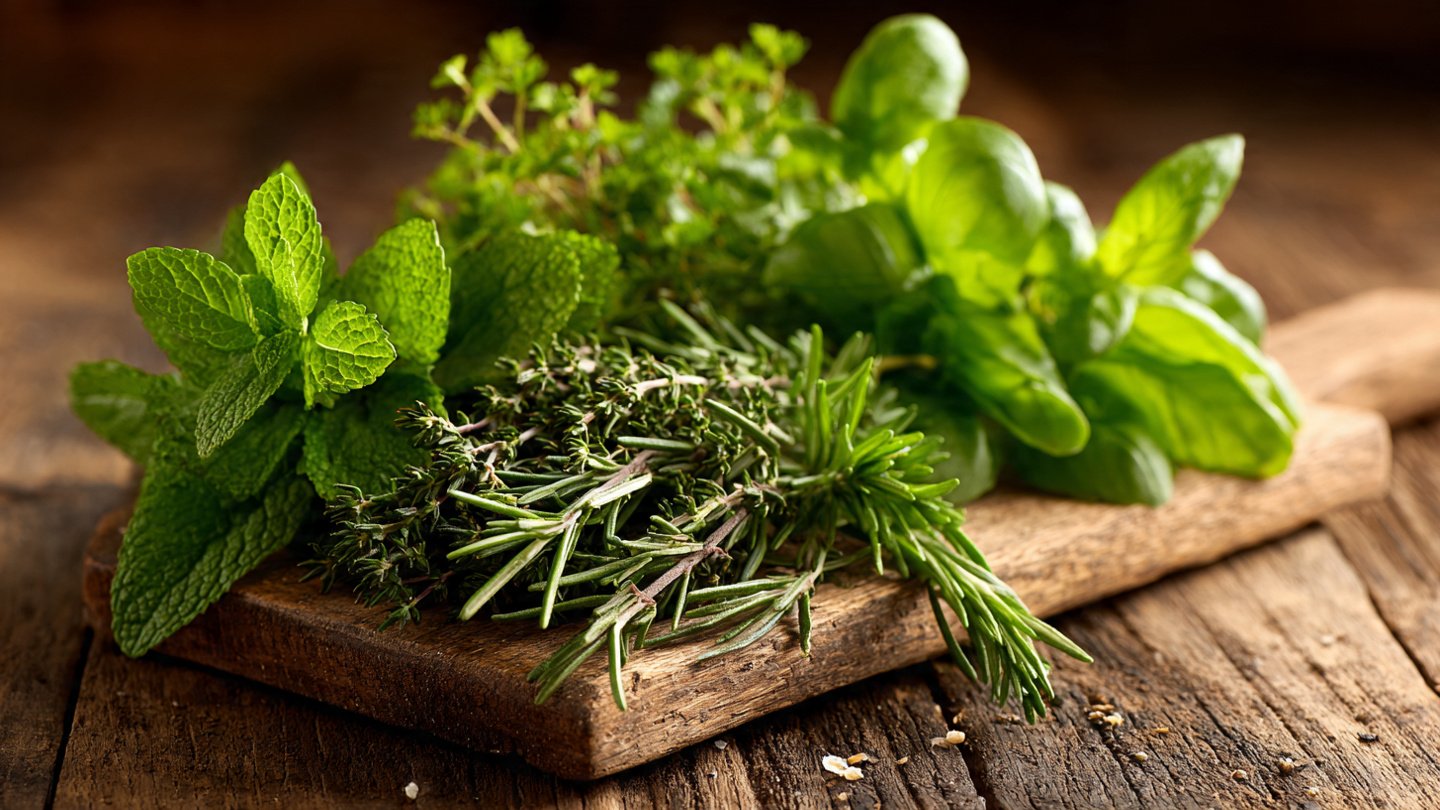
Fresh herbs are essential for cooking, adding vibrant flavors and aromas to a wide variety of dishes. However, over time, you may notice that your fresh herbs lose their potent aroma and flavor. Understanding the reasons behind this loss can help you manage your herbs better and ensure they stay aromatic for as long as possible.
1. Natural Deterioration
Most fresh herbs are delicate and naturally deteriorate over time. The cellular structure of these plants weakens as they age, leading to a decrease in essential oils. These oils are responsible for the characteristic aroma of herbs, and their degradation directly affects the herb’s fragrance.
2. Exposure to Air
Oxygen in the air can gradually break down the essential oils in herbs. When herbs are exposed to air, a process called oxidation occurs, which diminishes their aroma. To combat this, store herbs in airtight containers or wrap them tightly to limit their exposure to air.
3. Light Damage
Similar to air exposure, light can negatively affect the quality of fresh herbs. UV rays can degrade essential oils, leading to loss of flavor and aroma. It’s best to store herbs in a dark place or use opaque containers to shield them from light.
4. Temperature Fluctuations
Temperature also plays a key role in preserving the aroma of fresh herbs. Storing herbs at extreme temperatures—either too hot or too cold—can accelerate deterioration. Ideally, herbs should be stored in a cool, stable environment, preferably in the refrigerator to maximize their freshness.
5. Humidity Levels
Humidity can significantly impact the shelf life of fresh herbs. Higher humidity levels can cause herbs to wilt and rot, which compromises their aroma. On the other hand, low humidity can lead to drying out. Maintaining a balanced humidity level is crucial for prolonging the life and aroma of your herbs.
6. Improper Cleaning
Before storing, fresh herbs should be properly cleaned and dried. Excess moisture on herbs can promote mold growth and spoilage, which diminishes their aroma. Always wash herbs gently and ensure they are completely dry before putting them away.
7. Poor Quality at Purchase
The quality of herbs at the point of purchase can also influence their longevity. Herbs that are not fresh when bought will not last long at home. Always check for vibrant colors and avoid herbs that appear wilted, yellow, or discolored.
8. Type of Herb
Different herbs have varying shelf lives and aroma retention properties. For example, hardy herbs like rosemary and thyme tend to last longer compared to delicate herbs like basil and cilantro. Knowing the characteristics of the herbs you use can help you store them appropriately to maximize their aromatic properties.
9. Loss of Essential Oils
Essential oils are volatile compounds that can evaporate easily, especially with improper storage. When herbs are chopped or crushed, they release these oils more quickly, resulting in a quicker loss of aroma. If you want to preserve their fragrance, it’s best to use whole leaves until you are ready to cook.
10. Aging and Environmental Factors
As herbs age, environmental factors such as air pollution, exposure to contaminants, and even the quality of surrounding produce can affect them. These factors can lead to a compromise in aroma and flavor. Always keep herbs away from strong odors and contaminants.
Tips for Preserving Herb Aroma
- Store herbs in a cool, dark place.
- Use airtight containers to minimize air exposure.
- Keep them dry and free from excess moisture.
- Consider freezing herbs for long-term storage.
- Buy only what you will use to ensure freshness.
- Experiment with growing your own herbs to have the freshest options on hand.
Conclusion
Fresh herbs add an invaluable layer of flavor and fragrance to your culinary creations. Understanding the various factors that can lead to the loss of aroma as time passes allows you to take proactive steps to preserve their freshness. By controlling environmental parameters, purchasing high-quality herbs, and practicing proper care, you can enjoy the invigorating scent and flavor of your fresh herbs for longer periods. Investing time in maintaining your herbs will not only enhance your cooking but also make your kitchen smell divine.
Frequently Asked Questions (FAQs)
1. How can I tell if my herbs are still fresh?
Check for vibrant colors and firm leaves. If the leaves are wilted, yellow, or discolored, it is best to discard them.
2. Can I revive wilted herbs?
Sometimes, placing wilted herbs in a glass of water or wrapping them in a damp paper towel can help them rehydrate and regain firmness.
3. Is it better to buy fresh herbs from a grocery store or grow my own?
Growing your own herbs usually provides the freshest option, but high-quality herbs from a store can also be great. Choose based on your preferences and ability to maintain them.
4. How long do fresh herbs typically last?
This varies by herb type. Generally, soft herbs like basil and cilantro last about 1 week, while sturdier herbs like rosemary can last several weeks with proper storage.
5. Can I freeze fresh herbs?
Yes! Freezing herbs in ice cube trays with olive oil can preserve their flavor and aroma for many months.