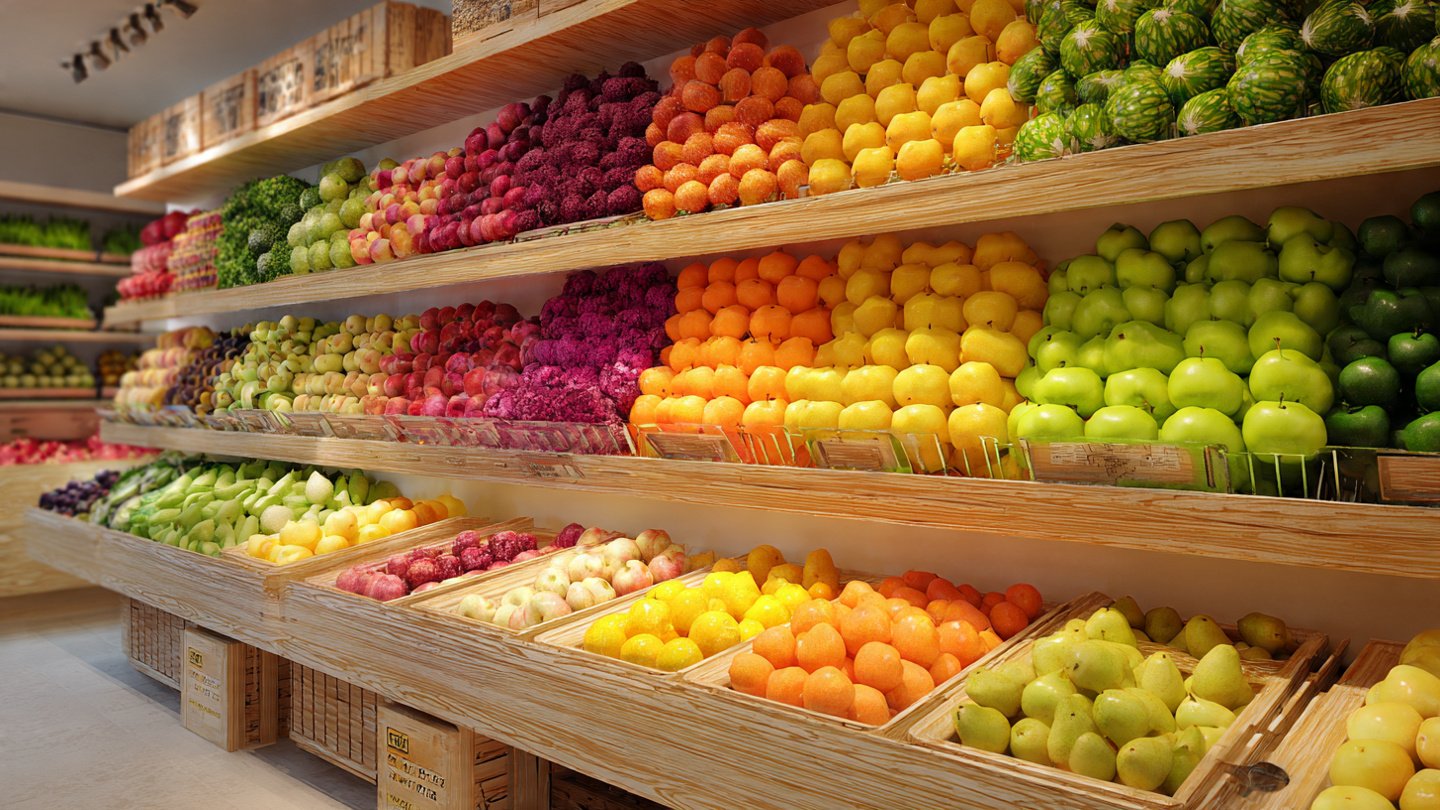
Fresh fruits are not only essential for a healthy diet but also bring an array of flavors and nutrients into our meals. However, maintaining the freshness and longevity of these produce items is a significant challenge, especially in commercial settings such as supermarkets and restaurants. One effective strategy to enhance the shelf life of fruits involves the careful consideration of their shelf level in display cases. By optimizing the way and location in which fruits are displayed, retailers can significantly improve their longevity, preserve freshness, and ultimately reduce waste.
The Importance of Freshness in Fruits
The primary reasons consumers choose fresh fruits are the taste, texture, and nutritional benefits they offer. Nutrients in fruits, like vitamins, antioxidants, and minerals, can degrade over time due to exposure to air, light, and temperature variations. Research indicates that fruits consumed at their peak freshness not only taste better but also provide maximum health benefits. Hence, it’s imperative to maintain the optimum freshness of fruits as much as possible.
Factors Affecting Fruit Freshness
Several factors can impact the freshness and longevity of fruits, including but not limited to:
- Temperature: Different fruits have specific temperature needs. For instance, bananas thrive at room temperature, while apples do better in cooler conditions.
- Humidity: Excessive moisture can lead to mold, while insufficient humidity can dry out fruits thereby reducing their quality.
- Air Quality: Exposure to ethylene gas can promote faster ripening in certain fruits, which may not be desirable for all fruits.
- Handling and Storage: Rough handling or improper storage can cause bruising, which not only affects appearance but also hastens spoilage.
The Role of Fruit Shelf Level
In a retail environment, the way fruits are displayed can have a monumental effect on their freshness and longevity. The shelf level refers to the specific position where fruits are placed, be it high, low, or at eye level. This positioning affects several factors:
1. Visibility and Accessibility
Merchandising strategies suggest that products placed at eye level tend to attract more attention. Fruits displayed at a challenging height can deter customers, resulting in reduced sales and prolonged shelf life issues. Placing fresh fruits in visible and accessible locations encourages selection and faster sales, minimizing the chances of spoilage.
2. Temperature Control
Not every shelf in a produce section has the same temperature exposure. For instance, top shelves might be warmer due to proximity to lighting fixtures, affecting sensitive fruits. Thus, understanding the optimal shelf levels for various types of fruits can play an essential role in maintaining their freshness. Cooler, shaded spots within the fruit displays can help extend the longevity of heat-sensitive options.
3. Ethylene Sensitivity
Certain fruits emit ethylene gas, which accelerates ripening. Placing ethylene-sensitive fruits, like strawberries, near these high-emitters, such as bananas, can lead to quicker spoilage. Retailers need to consider the ethylene production levels of fruits to ensure optimal placement. This knowledge enables merchants to devise strategies that prevent unwanted ripening, thus preserving the freshness of both types of fruit.
Implementing Effective Shelf Strategies
To enhance the freshness and longevity of fruits through optimal shelf level management, retailers can adopt several strategies:
1. Regular Rotation
Rotating stock is vital in ensuring that older products are sold first. Implementing a systematic approach can prevent fruits on the display from becoming overly ripe or spoiled.
2. Dedicated Ethylene Control Areas
By creating designated zones for ethylene-sensitive fruits, retailers can mitigate the impact of premature ripening. Grouping ethylene producers and sensitive fruits together can be determined through careful observation and data collection.
3. Interactive Displays
Interactive or innovative displays can encourage purchases while providing consumers with valuable information about the best practices for storing fruits at home. Retailers can include QR codes linking to storage tips or recipe ideas to enhance customer engagement.
Technological Innovations in Shelf Management
In recent years, the integration of technology has opened new avenues for improving freshness and longevity. Smart shelves equipped with humidity and temperature sensors can help monitor conditions in real-time, allowing for proactive management. Some innovative retailers are adopting these technologies to enhance produce quality significantly.
The Environmental Impact
Maintaining the freshness of fruits by optimizing shelf levels contributes to reducing food waste, which is a significant environmental issue globally. According to the Food and Agriculture Organization (FAO), approximately one-third of food produced worldwide for human consumption is wasted, leading to economic losses and environmental degradation. By implementing effective shelf management strategies, retailers can directly contribute to lessening this waste, thereby supporting sustainability in the food industry.
Conclusion
Enhancing freshness and prolonging the longevity of fruits is critical in today’s consumer environment, where freshness is a key factor in purchasing decisions. The strategic consideration of fruit shelf levels can significantly impact the quality and presentation of produce. By focusing on factors such as visibility, temperature control, and ethylene sensitivity, retailers can improve both sales and customer satisfaction while contributing positively to sustainability efforts. As technological advancements continue to evolve, the future of fruit freshness management looks promising, offering even greater opportunities to refine and optimize shelf strategies.
FAQs
Q1: What is the best way to store fruits at home to ensure longevity?
A1: To ensure the longevity of fruits at home, store them in a cool place, away from direct sunlight. Some fruits, like bananas, should be kept at room temperature while others, like applesand berries, fare better in the fridge.
Q2: How can retailers reduce food waste related to fresh fruits?
A2: Retailers can reduce food waste by implementing efficient inventory management practices, optimizing pricing and promotions for nearing expiration products, and educating consumers on proper storage methods.
Q3: Can technology help in managing fruit shelf levels?
A3: Yes, technology, such as smart shelves with sensors for temperature and humidity, can help retailers monitor and manage shelf conditions in real-time, ensuring optimal storage for freshness.
Q4: What are the signs that a fruit is no longer fresh?
A4: Signs of spoilage include an off smell, discoloration, a mushy texture, and the presence of mold. Fruits that have these characteristics should be discarded.
Q5: What is ethylene gas, and why is it important for fruit freshness?
A5: Ethylene gas is a natural plant hormone that regulates fruit ripening. It’s important because certain fruits produce ethylene, which can accelerate the ripening of nearby fruits, potentially leading to premature spoilage.