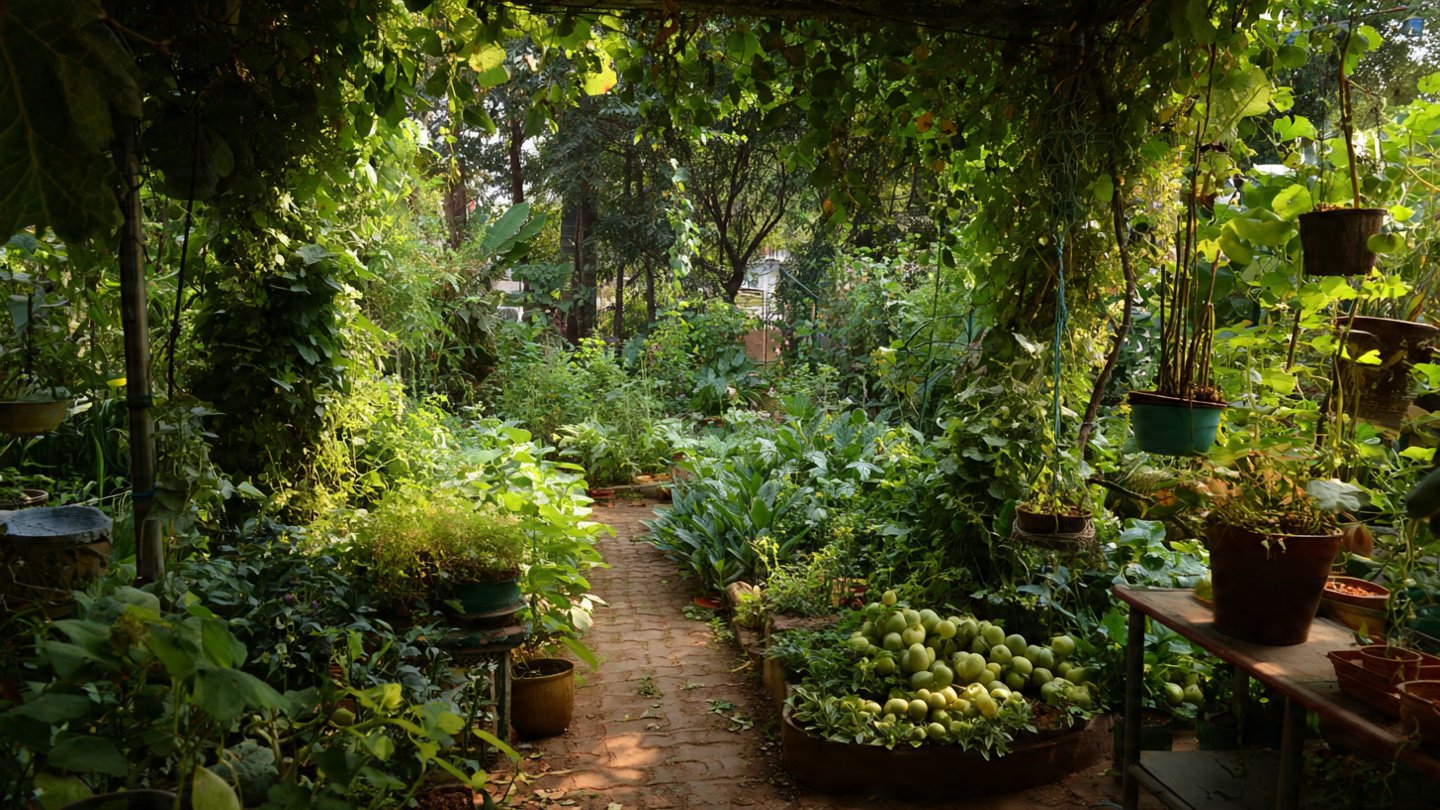
Gardening is a rewarding hobby that connects individuals with nature and provides a sense of accomplishment. However, gardeners often experience moments of frustration, particularly when plants exhibit delayed growth. This phenomenon can leave gardeners questioning their techniques, the quality of soil, or even their choice of plant species. Understanding the factors that contribute to delayed growth is crucial for any gardener, whether novice or seasoned.
What is Delayed Growth?
Delayed growth in gardens refers to a situation where plants grow much slower than expected or, in some cases, exhibit stunted growth altogether. This can occur for a variety of reasons, ranging from environmental factors to poor soil quality. Understanding the signs and indicators of delayed growth can help gardeners intervene early and promote healthier plant development.
Common Causes of Delayed Growth
1. Poor Soil Quality
Soil serves as the foundation for plant health. Poor soil quality is one of the primary causes of delayed growth and can result from:
- Lack of Nutrients: Essential nutrients like nitrogen, phosphorus, and potassium are vital for plant growth. Deficiencies can lead to stunted development.
- Soil pH Levels: Soil that is too acidic or alkaline can hinder nutrient uptake. Most plants prefer a pH of around 6.0 to 7.0.
- Compaction: Compacted soil restricts root growth and limits water and nutrient absorption.
2. Inadequate Water Supply
Water is essential for plant growth, but both overwatering and underwatering can lead to delayed growth:
- Overwatering: Excess water can suffocate roots and promote the growth of harmful fungi.
- Underwatering: Insufficient water can lead to dehydration, slowing down growth processes.
3. Temperature Extremes
Temperature plays a crucial role in plant growth. Each plant species has a specific temperature range for optimal growth. Extreme temperatures, whether too hot or too cold, can cause stress in plants, resulting in:
- Slow Growth Rates: High temperatures can cause metabolic disruptions, while low temperatures can inhibit cellular processes.
- Cell Damage: Frost damage can lead to tissue death, causing stunted growth.
4. Insufficient Light
Light is a primary energy source for plants through photosynthesis. Inadequate light can severely impair growth:
- Shade: Plants grown in shaded areas may stretch toward the light but still grow weakly.
- Wrong Light Spectrum: Certain species require specific wavelengths of light, and failure to provide these can inhibit growth.
5. Pest Infestations
Pests can be a detrimental factor leading to delayed growth. Common pests include aphids, spider mites, and caterpillars, which can:
- Damage Leaves: This leads to reduced photosynthesis and energy production.
- Stress Plants: Infestations can divert resources away from growth processes as plants focus on survival instead.
6. Diseases
Just like pests, diseases can significantly hinder plant growth. Fungal infections, bacterial infections, and viral diseases can cause:
- Stunted Growth: Infected plants often display slow growth or dieback.
- Weakness: Disease can weaken the plant’s overall structure, making it more susceptible to stress.
7. Competition from Weeds
Weeds can compete with garden plants for resources like water, nutrients, and light. This competition can lead to:
- Resource Depletion: Weeds can absorb essential nutrients and moisture, leaving garden plants deprived.
- Reduced Growth: If not managed, weeds can overshadow and smother garden plants, resulting in poor growth.
Identifying Delayed Growth
Recognizing the signs of delayed growth is the first step in addressing the issue. Common indicators include:
- Stunted or abnormally slow growth.
- Pale or yellowing leaves.
- Leaf drop or wilting.
- Reduced flowering or fruiting.
How to Address Delayed Growth
Once you’ve identified the issue, several strategies can help remedy delayed growth:
- Soil Improvement: Regularly test soil quality and amend it with organic matter, compost, or fertilizers to restore nutrient balance.
- Water Management: Ensure an appropriate watering schedule that caters to the specific needs of your plants.
- Temperature Control: Use row covers or shade cloths to protect plants from temperature extremes.
- Light Optimization: Ensure adequate sunlight exposure or use grow lights for indoor plants.
- Pest and Disease Management: Implement integrated pest management (IPM) practices to control pest populations and monitor for signs of disease.
- Weed Control: Regularly remove weeds by hand or using mulch to suppress their growth.
Conclusion
Delayed growth in gardens can be caused by several factors, including poor soil quality, inadequate water supply, temperature extremes, insufficient light, pest infestations, diseases, and competition from weeds. Understanding these causes and being proactive in addressing them is crucial for any gardener. By implementing effective strategies, one can ensure that plants achieve their full growth potential, leading to a thriving and flourishing garden.
FAQs
1. What should I do if my plants are growing slowly?
First, assess the growing conditions, including soil quality, water, light, and temperature. Make necessary adjustments, such as adding fertilizers, regulating watering, and ensuring adequate light exposure.
2. How can I improve my soil quality?
You can improve soil quality by adding organic matter, such as compost or well-rotted manure, and testing your soil to adjust pH levels. Regular aeration can also help improve compaction.
3. What are the signs of pest infestations?
Signs of pest infestations include visible insects on plants, damaged leaves, unusual spots, and sticky residue on leaves. Regular monitoring can help catch infestations early.
4. How can I control weeds effectively?
Controlling weeds can be achieved through mulching to suppress growth, regular hand-pulling, and using landscape fabric. Keeping plants well-spaced can also reduce competition.
5. Are there specific plants that are more prone to delayed growth?
Yes, some plants are more sensitive to environmental conditions. It’s essential to research specific plant needs and ensure they are suited to your garden’s conditions.