Understanding Plant Needs
Before diving into specific habits, it’s essential to understand the basic needs of plants. All plants require water, light, soil, and nutrients to thrive. However, how you manage these elements can significantly impact plant growth. Naturally enhancing growth can lead to healthier plants, reduce the need for chemical fertilizers, and promote a thriving garden ecosystem.
1. Composting: The Power of Organic Matter
One of the simplest and most effective ways to enhance plant growth is through composting. Compost enriches the soil and provides a balanced nutritional profile for plants. By breaking down kitchen scraps, yard waste, and other organic materials, you can create nutrient-rich compost that improves soil structure, aeration, and its ability to retain moisture.
How to Start Composting
Starting a composting system is straightforward:
- Choose a Compost Bin: You can buy one or make a homemade bin with pallets or wire mesh.
- Add Organic Materials: Include fruit and vegetable scraps, leaves, grass clippings, and coffee grounds. Avoid meat, dairy, and oily foods.
- Maintain the Pile: Mix your compost regularly and ensure it stays moist but not soggy. This aeration speeds up decomposition.
- Use the Finished Compost: After a couple of months, when the compost is dark and crumbly, it’s ready to use in your garden!
2. Mulching: A Protective Layer
Mulching helps retain soil moisture, suppress weeds, and regulate soil temperature. Using organic materials like straw, wood chips, or leaves creates a barrier that keeps plants healthy. As the mulch breaks down, it also adds nutrients back into the soil.
Benefits of Mulching
- Reduces Water Evaporation: Mulch holds moisture in the soil, reducing the frequency of watering.
- Weed Suppression: A thick layer of mulch can prevent weeds from establishing.
- Soil Temperature Regulation: Keeps the soil warmer in winter and cooler in summer.
3. Companion Planting: Nature’s Friends
Companion planting involves growing different plants together for mutual benefits. Certain plants can deter pests, attract beneficial insects, or enhance growth when paired strategically.
Examples of Companion Planting
- Tomatoes and Basil: Basil repels pests that harm tomatoes and can enhance their flavor.
- Carrots and Onions: Onions can deter pests that typically damage carrots.
- Marigolds with Various Plants: Marigolds repel nematodes and other pests, making them great companions in any garden.
4. Watering Wisely: Timing is Key
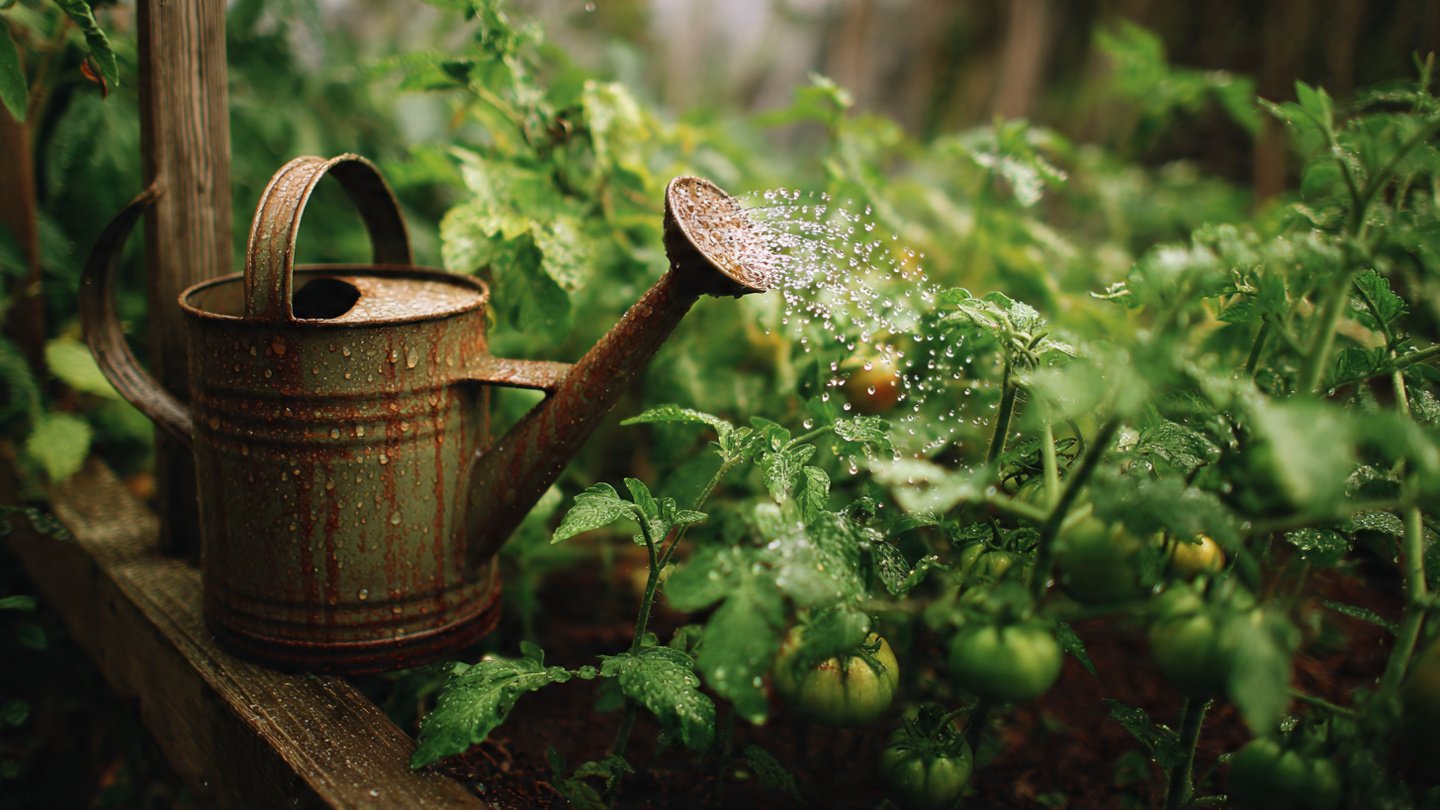
Watering is crucial for plant health, but how and when you water can make a significant difference. Early morning is the ideal time to water. It allows the plants to absorb moisture before the heat of the day, reducing evaporation loss and preventing fungal diseases caused by humid conditions in the evening.
Tips for Effective Watering
- Water Deeply and Infrequently: Deep watering encourages root growth.
- Use a Soaker Hose: This reduces water evaporation and directs water straight to the soil.
- Monitor Soil Moisture: Use your finger to check soil moisture a couple of inches down before watering.
5. Natural Pest Control: Embracing Beneficial Insects
Instead of reaching for chemical pesticides, consider attracting beneficial insects to your garden. Ladybugs, lacewings, and predatory wasps can help control pest populations without harming your plants.
How to Attract Beneficial Insects
- Plant Diverse Flora: Different flowering plants will attract a variety of beneficial insects.
- Provide Habitat: Leave some areas of your garden undisturbed to provide shelter for these beneficial creatures.
- Avoid Synthetic Chemicals: Refrain from using broad-spectrum pesticides that can harm beneficial insects.
6. Soil Testing: Know Your Ground
Understanding your soil’s nutrient levels and pH can significantly enhance plant growth. Conducting a soil test provides insights into the current conditions of your soil and what amendments might be necessary.
Steps for Soil Testing
- Collect Soil Samples: Gather samples from several spots in your garden.
- Use a Soil Test Kit: Follow the instructions to determine pH and nutrient levels.
- Amend as Needed: Based on your results, you can choose appropriate fertilizers or amendments to improve soil quality.
7. Seasonal Adjustments: Adapting to Change
Every season brings unique conditions and challenges for your garden. Adapting your practices to fit the seasonal changes can vastly improve plant vitality. In spring, for instance, it’s a good time to start new growth and prepare soil. In fall, mulching and planting cover crops can help protect the soil.
Seasonal Gardening Tips
- Spring: Start seeds indoors and prepare soil for planting.
- Summer: Keep an eye on water levels and maintain mulch.
- Fall: Clean up debris to prevent disease and add organic matter to the soil.
- Winter: Utilize cover crops to protect and nourish the soil.
Conclusion
Enhancing plant growth naturally requires a combination of understanding the needs of your plants, implementing simple but effective gardening practices, and being attuned to seasonal changes. By adopting habits such as composting, mulching, companion planting, and wise watering, you can create a thriving garden ecosystem. Not only do these practices promote healthier plants, but they also foster sustainability and reduce environmental impact. With a little patience and dedication, anyone can transform their garden into a lush paradise brimming with life.
FAQs
1. How long does it take for compost to be ready?
Compost can take from two months to a year to mature, depending on how often you turn the pile and the materials used. Regularly aerating the compost speeds up the process.
2. Can I use any type of mulch?
While most organic mulches are beneficial, avoid using materials like walnut leaves, which can inhibit plant growth. Stick to wood chips, straw, or grass clippings.
3. Is companion planting necessary for all plants?
No, not every plant benefits from companion planting, but many do. Research can help identify which plants thrive together for the best results.
4. How can I tell if my soil needs nutrients?
Signs of nutrient deficiency include yellowing leaves, stunted growth, and poor flowering. A soil test can provide definitive guidance.
5. How much should I water my plants?
General advice is to provide deep watering once or twice a week, adjusting based on rainfall, plant type, and soil conditions.