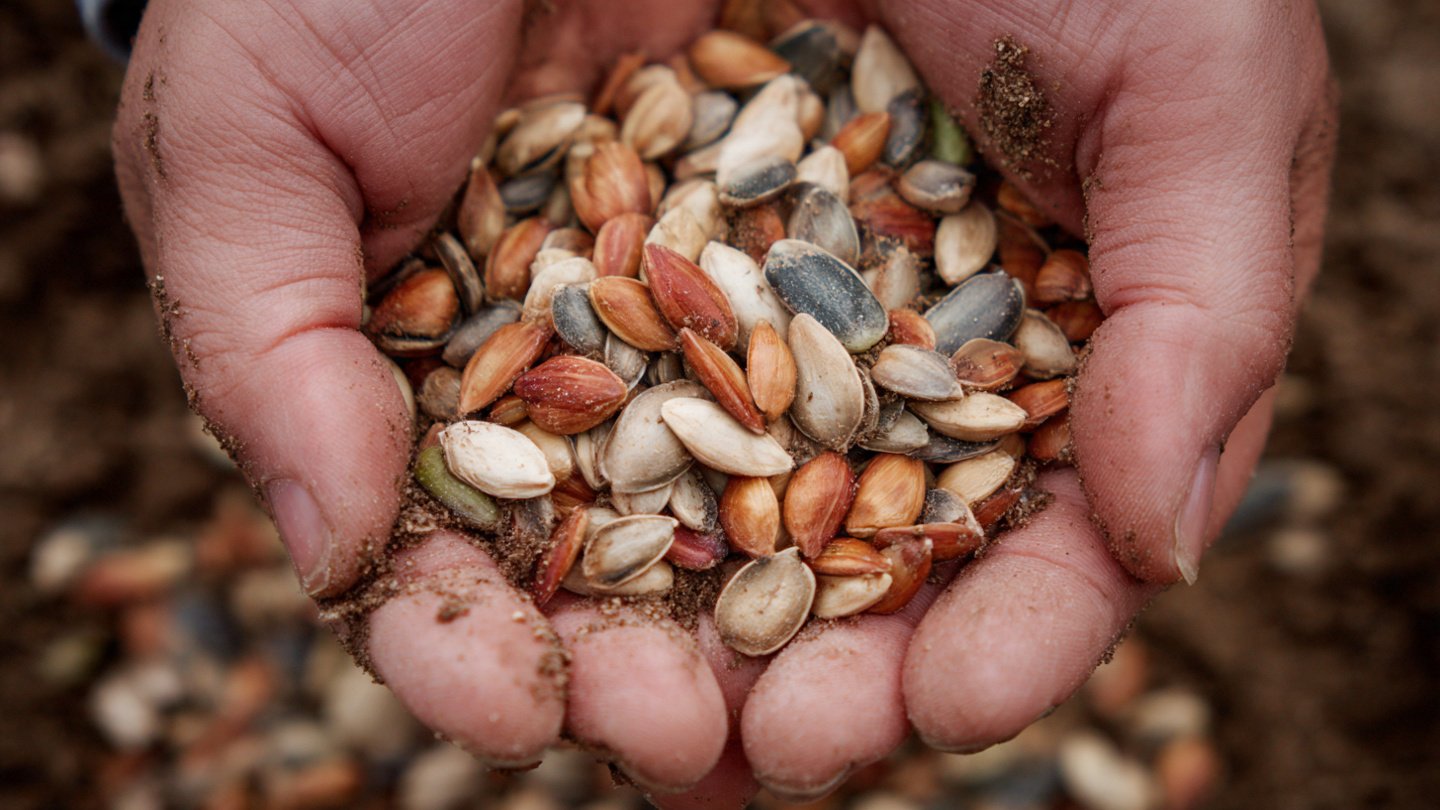
Seed saving is a fundamental practice for gardeners and farmers aiming to cultivate healthy, sustainable crops year after year. However, while the process of saving seeds may seem straightforward, there are several common mistakes that can significantly impact the quality and viability of plants in the next growing season. This article delves deep into the pitfalls of seed saving, the science behind successful seed preservation, and best practices to ensure the garden thrives season after season.
Understanding Seed Saving
Seed saving involves collecting seeds from plants after they have matured, with the intention of replanting them in the next growing season. This age-old practice not only ensures the continuity of crop production but also enables gardeners to select for traits that are well-suited to their specific growing conditions. Successful seed saving can lead to diverse and resilient ecosystems, sustainable gardening practices, and the preservation of heirloom varieties.
The Importance of Genetic Diversity
One fundamental aspect of seed saving is understanding genetic diversity. When saving seeds from a single plant, gardeners need to recognize that they are selecting for certain traits that can lead to uniformity. While this might seem beneficial, it can also result in decreased resilience to diseases and changing environmental conditions. This is particularly relevant in small-scale gardens where cross-pollination can occur. Thus, maintaining diverse plant varieties and ensuring genetic health is critical for future planting success.
Common Seed Saving Mistakes
1. Using Seeds from Hybrid Plants
One of the most significant mistakes gardeners make is saving seeds from hybrid plants. Hybrid seeds are a result of controlled cross-pollination between two parent plants, engineered to produce specific traits such as disease resistance, uniformity, or higher yields. The offspring of hybrid plants, however, often carry unpredictable traits, which will not necessarily replicate the desirable qualities of the parent plant. As a result, seeds saved from hybrids typically yield disappointing plants.
Solution: Opt for heirloom or open-pollinated varieties, which maintain their traits across generations and will produce plants similar to their parent plants.
2. Ignoring Seed Saving Instructions
Each plant variety has particular requirements for seed saving, including timing and method. Ignoring these specifics can lead to inadequate seed maturity or viability. For instance, seeds should only be collected when they are fully ripe—collecting seeds too early can result in low-quality seeds that may not germinate in the following season.
Solution: Research specific seed-saving techniques for each plant variety, including timing and collection methods, to ensure optimal seed quality.
3. Poor Drying and Storage Practices
The way seeds are dried and stored is crucial for their longevity and viability. Seeds stored in a humid or wet environment may succumb to mold, rot, or other forms of deterioration. Similarly, extreme temperature fluctuations can also impair seed vigor. For instance, storing seeds in plastic bags in a warm location may lead to moisture retention, which is detrimental to seed health.
Solution: After harvesting, ensure seeds are evenly dried in a cool, dark, and well-ventilated area. Once thoroughly dried, store seeds in airtight containers kept in a cool, dark place. Some gardeners even opt for refrigeration or freezing, provided seeds are fully dried beforehand.
4. Not Labeling Seeds Properly
Mislabeling or failing to label saved seeds can lead to confusion down the line. This is particularly problematic for gardeners saving seeds from multiple varieties of the same plant species—without appropriate labels, it can be challenging to discern which seeds belong to which variety.
Solution: Invest time in organizing and labeling seeds clearly. Include crucial information such as the plant variety, date of harvest, and any notable traits. This will ensure clarity and continuity for future planting.
5. Overlooking Seed Viability Testing
Before replanting saved seeds, it’s essential to assess their viability. Seeds can lose germination potential over time, with some varieties being more susceptible than others. Relying solely on saved seeds without testing them can result in a disappointing yield, wasted resources, and wasted time.
Solution: Conduct a simple germination test before planting. You can do this by taking a small sample of seeds (around 10-15), placing them in a damp paper towel, and keeping them in a warm location. Check after a few days to see how many seeds sprout, which will give you an idea of their viability.
6. Neglecting Pest and Disease Management
Seeds saved from plants affected by diseases or pests may carry over these vulnerabilities into the next growing season. This can lead to the propagation of disease or pest problems, which can spread rapidly through new plants.
Solution: Always harvest seeds from healthy plants that show no signs of disease or pest infestation. If possible, implement crop rotation and other management practices to minimize the risk of disease and pests in your garden.
7. Failing to Educate Yourself on Cross-Pollination
Cross-pollination is a natural process that can occur between different varieties of the same plant species, especially for plants like corn, tomatoes, and squash. If seeds are saved from cross-pollinated plants, the resulting plants may not display the desired traits.
Solution: Understand which of your plants are likely to cross-pollinate and take preventive measures, such as isolation distances or physical barriers, to maintain the purity of your saved seeds.
8. Underestimating the Importance of Seed Source
Where you acquire your initial seeds matters significantly when saving seeds. Seeds purchased from unreliable sources may carry diseases or have been subjected to poor agricultural practices.
Solution: Source seeds from reputable suppliers who practice responsible agricultural methods, focusing on organic or sustainably grown seeds.
9. Saving Too Many Seeds from a Few Plants
While it might be tempting to save an abundance of seeds from one or two “superior” plants, doing so can lead to a lack of genetic diversity. This can create a higher risk of vulnerability to disease, pests, and changing climate conditions.
Solution: Aim to save seeds from a variety of plants to enhance genetic diversity, which will improve resilience and adaptability in your crops.
10. Holding Onto Seeds for Too Long
While some seeds can last for several years if stored correctly, others rapidly lose their viability after a few seasons. Holding onto seeds for too long without testing can result in disappointment during planting.
Solution: Keep track of the age of stored seeds and use a seed viability chart to understand how long seeds from different plants can remain viable. Rotate your seed stock by planting older seeds first.
Best Practices for Successful Seed Saving
To avoid these common mistakes and ensure a successful seed saving process, consider the following best practices:
-
Research and Plan: Understanding the specific requirements for seed saving from different plants is crucial. Invest time in researching best practices for each variety.
-
Maintain Healthy Plants: Grow and save seeds only from healthy, vigorous plants to reduce the risk of diseases.
-
Create a Seed Saving Schedule: Organize your seed saving activities by creating a calendar that outlines when to collect, dry, and store seeds for each plant.
-
Join a Seed Saving Community: Engaging with local or online gardening communities can provide valuable insights and resources for successful seed saving practices.
-
Experiment with Breeding: Some gardeners enjoy the process of breeding and selecting seeds to cultivate desired traits. Document your observations and results to track the progress over generations.
-
Keep it Simple: Start with a few varieties before expanding your seed-saving efforts. Mastering the basics before taking on more complex plant interactions will lead to more successful outcomes.
Conclusion
Seed saving is a powerful way to contribute to biodiversity, enhance sustainability, and retain cherished plant varieties for future generations. However, being aware of common pitfalls can make all the difference in ensuring that your saved seeds yield healthy, vigorous plants the following year. By implementing thoughtful practices and remaining educated about the science of seed saving, gardeners can cultivate a flourishing garden year after year, preserving the essence of natural agriculture for generations to come.