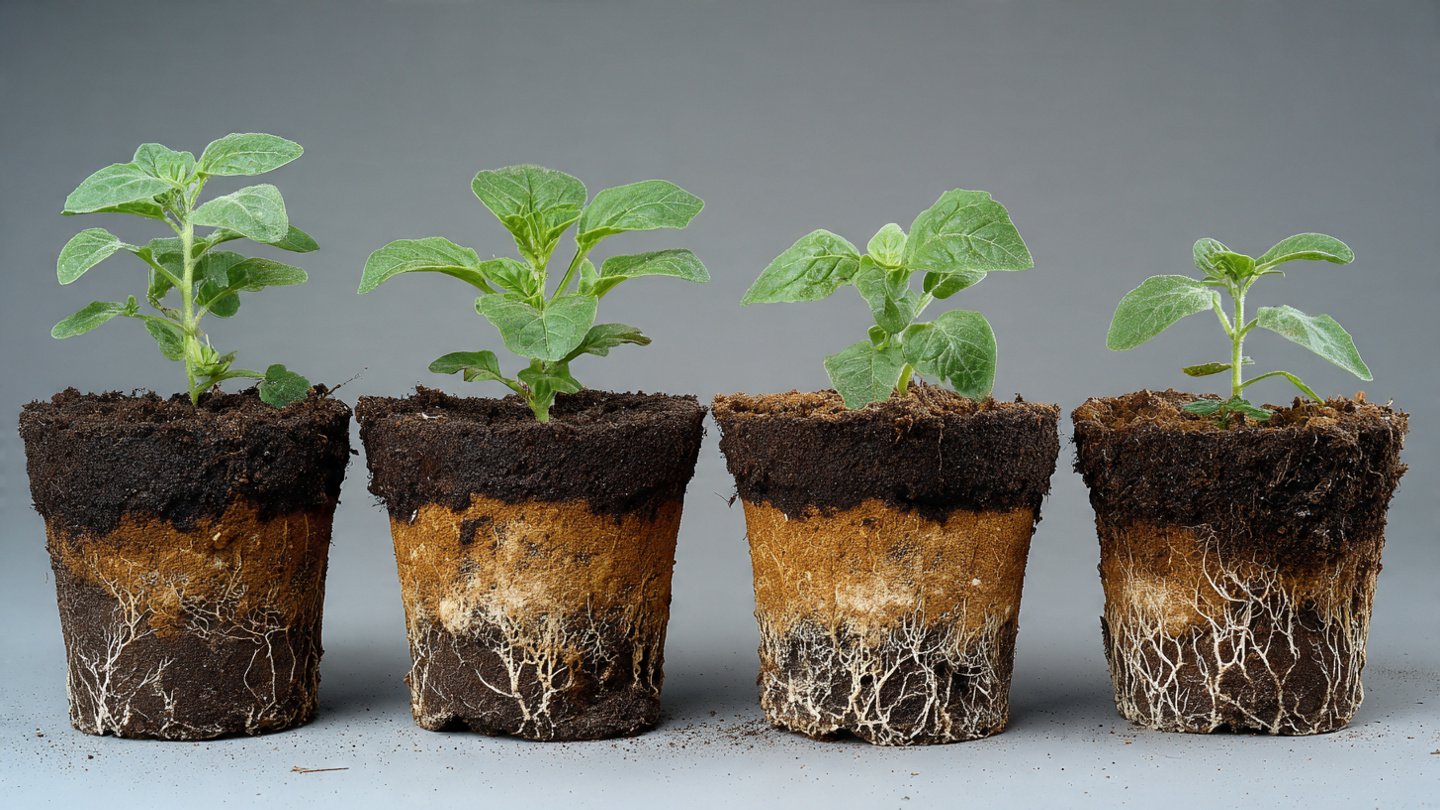
Soil erosion is a natural process that involves the displacement of soil particles from one location to another, primarily due to the action of wind, water, and human activities. While soil erosion is often discussed in the context of agricultural fields and natural landscapes, its effects can also be significant in controlled environments like potted plants. Understanding the implications of soil erosion on potted plants is essential for gardeners, horticulturists, and anyone involved in plant care.
1. Understanding Soil Erosion
Soil erosion refers to the removal of the topsoil layer, which is the most nutrient-rich part of the soil. Erosion can occur through various mechanisms:
1.1 Water Erosion
Water erosion can be categorized into several types:
- Splash Erosion: Occurs when raindrops hit the soil, dislodging soil particles.
- Sheet Erosion: Involves a thin layer of soil being washed away evenly across the surface.
- Gully Erosion: Happens in more severe cases where water runoff creates channels in the soil.
1.2 Wind Erosion
Wind erosion is prominent in dry regions where soil is loose and dry. Strong winds can carry away fine soil particles, leading to nutrient loss.
1.3 Human-Induced Erosion
Urbanization, deforestation, and poor agricultural practices can lead to increased erosion. Compacted soils due to excessive foot traffic or heavy equipment can exacerbate erosion processes.
2. Effects of Soil Erosion on Potted Plants
2.1 Nutrient Depletion
The topsoil is rich in organic matter and essential nutrients required for plant growth. Soil erosion typically removes this vital layer, leading to:
- Reduced Nutrient Availability: Essential nutrients such as nitrogen, phosphorus, and potassium are often washed away with the topsoil, resulting in nutrient deficiencies in potted plants.
- Poor Plant Growth: As potted plants struggle to obtain necessary nutrients, they may exhibit stunted growth, yellowing leaves, and a general decline in health.
2.2 Impairment of Soil Structure
Erosion affects the physical properties of soil:
- Reduced Soil Aeration: Erosion can lead to a denser soil structure, impeding air movement. This can lead to root suffocation, as roots require oxygen for respiration.
- Inadequate Water Retention: Erosion often results in soil compaction, reducing its ability to retain moisture. In potted plants, this can lead to rapid drying out and hydric stress.
2.3 Loss of Microbial Life
Soil is teeming with microorganisms that play crucial roles in nutrient cycling:
- Decreased Microbial Activity: The loss of topsoil results in a decline of beneficial microbes essential for breaking down organic matter and making nutrients available to plants.
- Imbalanced Ecosystem: A lack of microbial diversity can affect soil health, leading to a decline in plant vigor and resilience against pests and diseases.
2.4 Altered pH Levels
Soil erosion can impact the pH of the remaining soil:
- Acidification: Erosion can lead to leaching of basic cations (calcium, magnesium), elevating soil acidity levels. Many potted plants prefer neutral to slightly acidic soils, so this can lead to nutrient lockout.
- Alkalinity Issues: In some conditions, erosion may leave behind a soil profile that is too alkaline for certain plant species.
2.5 Impacts on Water Drainage
Soil erosion can drastically affect how water drains in a potted environment:
- Poor Drainage: Compacted soils may retain too much water, leading to over-saturation and root rot.
- Increased Runoff: Inadequate soil structure can cause water to run off rather than percolate down, further depriving plants of necessary moisture.
3. Mitigation Strategies
To promote healthy growth in potted plants despite the effects of soil erosion, gardeners can adopt various strategies:
3.1 Regular Soil Management
- Replenishing Nutrients: Using organic fertilizers like compost can help restore nutrients. Regularly testing soil can also help determine which nutrients need replenishing.
- Using Mulch: Adding a layer of mulch on top of potting soil can help retain moisture and prevent erosion.
3.2 Choosing Appropriate Soils
- Soil Blends: Use well-aerated potting mixes that contain organic matter, such as peat, perlite, or coconut coir, to promote good drainage and nutrient retention.
- Heavy Soils for Stability: In outdoor potted plants, consider using heavier soils to reduce susceptibility to erosion from wind or water.
3.3 Environmental Considerations
- Location: Positioning potted plants in areas protected from strong winds or excessive rainfall can minimize erosion risks.
- Water Management: Employ drip irrigation systems or self-watering pots to maintain consistent moisture levels without over-saturating the soil.
3.4 Encouraging Microbial Activity
- Microbial Inoculants: Introducing beneficial microbes, such as mycorrhizal fungi or specific bacterial strains, can help restore microbial populations and enhance nutrient availability.
- Organic Matter: Incorporating organic matter as compost not only provides nutrients but also encourages microbial life.
3.5 Education and Awareness
- Gardener Training: Educating potted plant owners about the importance of soil health and erosion can lead to better practices and a greater appreciation for soil conservation.
- Monitoring Plant Health: Keeping a close eye on plant health can allow for early intervention if signs of nutrient deficiencies or poor growth are observed.
4. Conclusion
Soil erosion poses significant threats to potted plants, leading to nutrient depletion, impaired soil structure, loss of microbial life, altered pH levels, and drainage issues. Understanding how these factors interrelate is crucial for maintaining healthy plant growth.
By implementing proper soil management techniques, selecting appropriate soils, considering environmental conditions, and fostering microbial activity, gardeners can effectively mitigate the adverse effects of soil erosion. Emphasizing education and awareness will empower individuals to cultivate healthier and more resilient potted plants, ensuring their gardens thrive despite the challenges posed by soil erosion.
Ultimately, the connection between soil health and plant growth cannot be overstated. As we face increasing environmental challenges, taking steps to protect our soil will become ever more critical for sustainable gardening and agriculture.