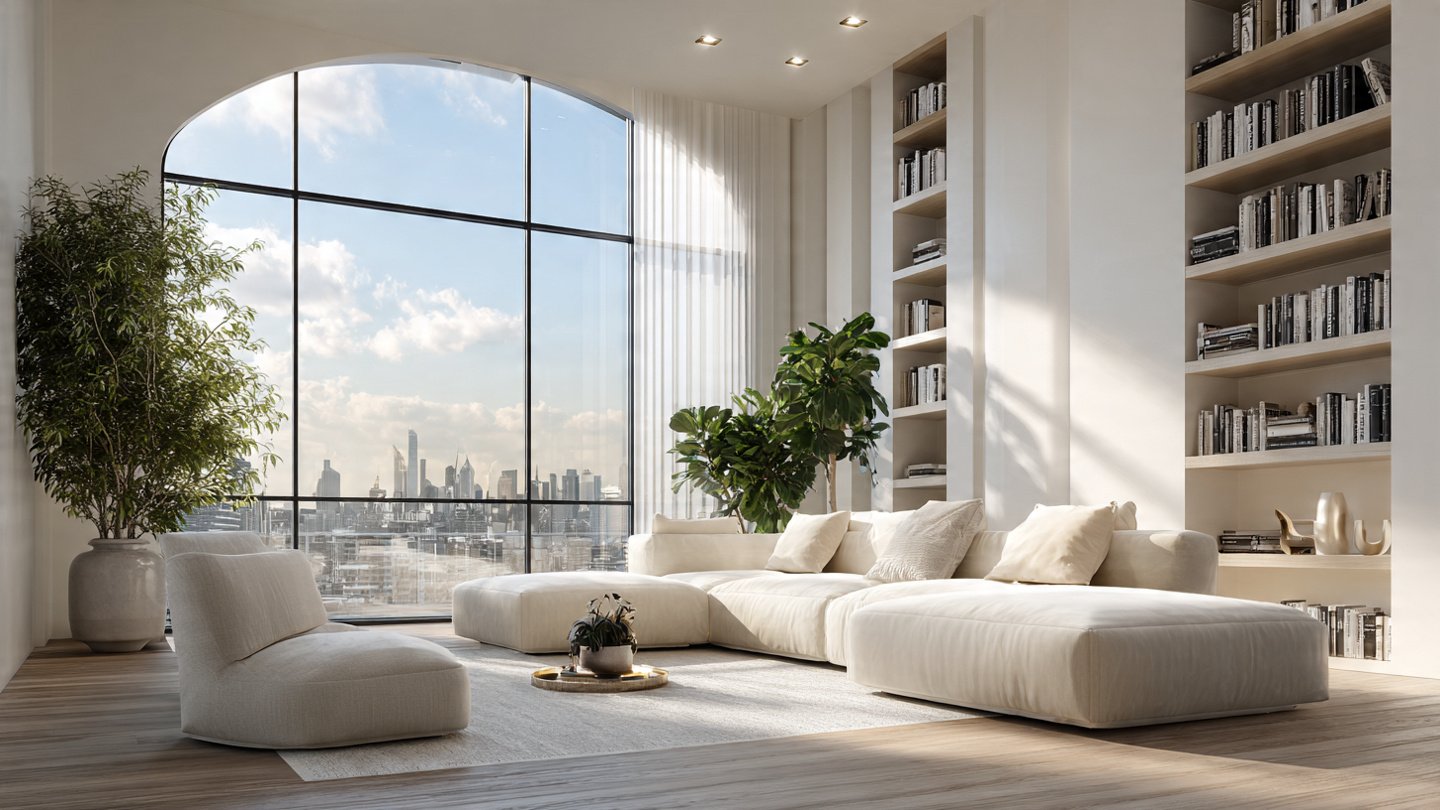
The concept of “less is more” has never been truer than in today’s fast-paced world, where clutter can lead to chaos and stress. A clean and organized space not only boosts your mood but can also create the illusion of more room. In a time when urban living often means downsized spaces, understanding how to make the most of what you have becomes essential.
The Impact of Clutter on Perception
Research has shown that clutter can lead to increased anxiety and decreased productivity. When your surroundings are disorganized, your brain is effectively distracted by visual stimuli. This distraction can make a space feel smaller and more cramped than it is. Conversely, a clean and organized area allows the mind to relax, perceiving the space as larger and more open.
Psychological Effects of Cleanliness
The psychological benefits of maintaining clean spaces extend beyond just improved mood. An organized environment helps reduce cognitive overload, which is the mental strain caused by excessive clutter. By minimizing distractions, a clean space fosters a sense of control and calm, emphasizing the surroundings as inviting rather than suffocating.
Practical Tips for Creating an Illusion of Space
To achieve the perception of more room in your home, consider the following practical tips:
- Declutter Regularly: Make it a habit to go through your belongings regularly to discard or donate items you no longer use or need.
- Use Multi-functional Furniture: Invest in furniture that serves multiple purposes, such as a coffee table that doubles as storage.
- Maximize Natural Light: Keep windows unobstructed and opt for light-colored curtains to let in as much sunlight as possible, creating an airy feel.
- Open Layouts: If possible, consider removing non-load-bearing walls to create an open-plan layout which naturally feels more spacious.
- Strategic Color Choice: Light colors tend to make a room feel larger. Consider painting small rooms in soft hues to enhance the feeling of space.
- Vertical Storage: Utilize vertical space by installing shelves or cabinets. This draws the eye upward, giving the illusion of height.
- Mirrors: Incorporate mirrors into your decor. They reflect light and create a sense of depth, making the room look bigger.
- Keep Surfaces Clear: Limit the items on countertops and tables to a few essential pieces to avoid visual clutter.
How Lighting Plays a Role
Lighting significantly affects our perception of space. Bright, well-lit areas tend to feel larger than dimly lit ones. Consider incorporating various light sources, including ambient, task, and accent lighting. Use LED bulbs that emit a warm spectrum or natural light sources to enhance the ambiance. Furthermore, strategically placed lights can alter how space is perceived, emphasizing open areas while downplaying cramped corners.
The Power of Minimalism
Adopting a minimalist approach can be beneficial for creating cleaner spaces that feel larger. Minimalism encourages you to simplify your living environment, focusing on only the essentials. By choosing fewer items but prioritizing quality and functionality, you achieve not only an aesthetically pleasing space but one that feels expansive.
Incorporating Nature into Your Space
Nature has a unique way of enhancing our living environments. Integrating plants into your space can not only improve air quality but also add an element of life and freshness that makes it feel larger. Ensure that you opt for plants that thrive in indoor conditions and are easy to maintain. A strategic placement of greenery can draw the eyes away from clutter and towards open spaces.
The Importance of Routine Maintenance
Creating a clean and organized space is not a one-time endeavor; it requires ongoing maintenance. Establish cleaning routines that fit your lifestyle, allowing you to keep disorder at bay. A few minutes each day can make a significant difference in managing clutter and ensuring that your space remains a tranquil environment.
Creating an Inviting Atmosphere
A clean space goes hand in hand with an inviting atmosphere. Consider using scents and sounds to enhance your living environment. Aromatherapy diffusers or candles can introduce calming fragrances that promote relaxation, while soft background music can enhance your overall mood.
Conclusion
In summary, creating clean spaces is not just about aesthetics; it’s about improving mental well-being and enhancing the quality of life. By implementing simple strategies such as decluttering, using light colors, maximizing natural light, and incorporating multi-functional furniture, you can transform any area into a more inviting and spacious environment. Remember that consistency is key; maintaining a clean space will ensure that it always feels larger and more enjoyable, allowing you to thrive in your personal haven.
FAQs
1. How often should I declutter my home?
It’s advisable to set aside time every few months to assess your belongings and declutter. Monthly mini-decluttering sessions can also help keep things manageable.
2. Can colored lighting help with the illusion of space?
Yes, colored lighting can significantly impact how a space feels. Opt for soft, warm lights to create an inviting atmosphere, while ensuring that light is distributed evenly in the room.
3. What types of plants are best for small spaces?
Plants like succulents, snake plants, and pothos are excellent for small spaces because they require minimal care and can thrive in varying light conditions.
4. Is there a specific color that makes a room feel larger?
Light colors, particularly whites, soft grays, and pastels, can make a room feel larger. Using these colors helps reflect light, enhancing the feeling of openness.
5. How can I keep my space clean with pets?
Regular grooming and cleaning routines are key. Investing in furniture that is easy to clean and using storage solutions for pet accessories can also help keep your space tidy.