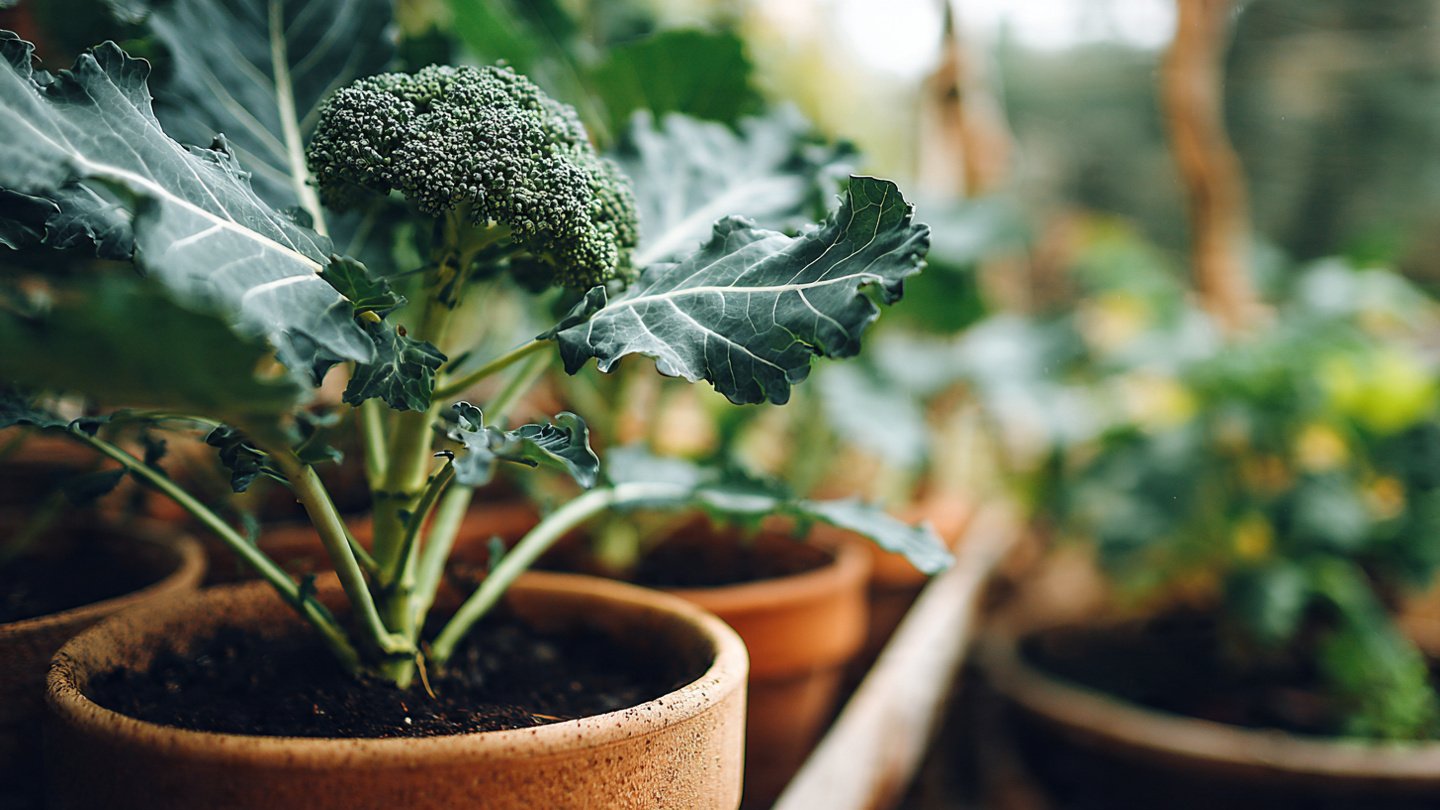
Growing broccoli in pots is an excellent way for gardeners with limited space to enjoy fresh, homegrown vegetables. Broccoli is a nutritious and versatile vegetable, rich in vitamins and minerals. Growing it in containers not only maximizes space but also allows for better management of soil quality and pest control. This guide will explore the best methods for successfully cultivating broccoli in pots, covering everything from pot selection to care and maintenance, while also addressing common questions in a dedicated FAQ section.
Understanding Broccoli and Its Growing Requirements
Broccoli (Brassica oleracea) is a cool-season crop that thrives in temperatures between 60°F and 70°F (15°C to 21°C). It’s essential to understand its growth habits to successfully grow it in pots.
Key Growing Requirements:
- Light: Broccoli needs full sun, ideally 6-8 hours per day. A south-facing balcony or patio is often ideal.
- Soil: They prefer rich, well-draining soil that is high in organic matter.
- Water: Consistent moisture is crucial, but overwatering should be avoided. The soil should remain moist but not soggy.
- Nutrients: Broccoli benefits from additional fertilization during its growth cycle, especially nitrogen-rich fertilizers during the early stages.
Choosing the Right Pot
Selecting the right pot is critical for the success of growing broccoli. Here’s what to keep in mind:
Size
- Minimum Size: Choose at least a 5-gallon container for each plant. Broccoli has a deep root system and requires ample space.
- Height and Width: A pot that is at least 12-18 inches deep and wide will provide enough soil volume for healthy growth.
Material
- Plastic: Lightweight and retains moisture; best for those concerned about weight.
- Clay: Porous and allows for good air circulation, but it can dry out quickly.
- Fabric Pots: Excellent for drainage and root aeration; they often provide a healthy growing environment.
Drainage
Ensure your chosen pot has drainage holes to prevent water from accumulating at the bottom, which can lead to root rot.
Soil Preparation
Preparing the right soil mix is key to growing healthy broccoli. Follow these steps:
- Base Mix: Start with a high-quality potting mix designed for vegetables.
- Organic Matter: Incorporate compost to improve soil fertility and drainage. Aim for a mix of 70% potting soil and 30% compost.
- pH Balance: Broccoli thrives in slightly acidic to neutral pH (6.0 to 7.0). Test your soil and amend it with lime or sulfur if necessary.
Planting Broccoli
Timing
- Indoor Starts: If starting indoors, sow seeds 6-8 weeks before the last frost date. Transplant outdoors once seedlings are 4-6 weeks old and have at least two true leaves.
- Direct Sowing: You can also sow seeds directly into pots about 2-4 weeks before the last frost date for spring planting.
Spacing
- Seedlings: Space seedlings 12-18 inches apart if planting multiple in one pot. For single plants, centering the broccoli in the pot gives it space to grow.
Planting Steps
- Moisten the soil mix before planting.
- Plant seeds or seedlings at a depth of about 1 inch, covering them lightly with soil.
- Water gently but thoroughly after planting.
Watering
Consistency is key when it comes to watering broccoli. Follow these guidelines:
- Frequency: Water once or twice a week, adjusting based on weather conditions and pot size.
- Moisture Check: Stick your finger about an inch into the soil; if it feels dry, it’s time to water. Ensure the water drains out of the bottom of the pot.
- Avoid Overwatering: Broccoli is susceptible to root rot; always err on the side of slightly under-watering.
Fertilization
Broccoli has a high nutrient demand, particularly nitrogen. Here’s how to effectively fertilize:
- Initial Fertilizer: Use a balanced fertilizer when planting—something with equal parts nitrogen, phosphorus, and potassium (N-P-K ratio 10-10-10).
- Subsequent Feedings: After 4-6 weeks, switch to a nitrogen-heavy fertilizer or organic alternatives like fish emulsion or blood meal every 2-3 weeks.
- Seasonal Fertilization: As broccoli matures, gradually reduce nitrogen and increase phosphorus and potassium for better head development.
Pest and Disease Control
Pest prevention is essential for healthy broccoli plants. Common pests include aphids, cabbage worms, and flea beetles. Here’s how to manage them:
- Physical Barriers: Use row covers to prevent pests from reaching your plants, especially in the early stages.
- Natural Predators: Introduce beneficial insects like ladybugs and lacewings to control the pest population.
- Organic Pesticides: If infestations occur, consider using insecticidal soap or neem oil, applying in the early morning or late afternoon to avoid harming beneficial insects.
Diseases
Common diseases affecting broccoli include downy mildew and black rot. To combat these:
- Crop Rotation: Avoid planting broccoli in the same pot or location year after year.
- Cleanliness: Keep pots and surrounding areas clean to prevent the spread of disease.
Harvesting and Storage
Knowing when and how to harvest your broccoli will ensure you get the best flavor and quality:
- Timing: Typically, broccoli is ready to harvest 70-100 days after planting, depending on the variety. Heads should be firm and tightly closed.
- Cutting: Use a sharp knife. Cut the main head but leave the leaves and side shoots intact to encourage further growth.
- Storing: Fresh broccoli can be stored in the refrigerator in a plastic bag for up to a week. Blanching and freezing can extend storage time significantly.
FAQs
1. Can I grow broccoli in smaller pots?
While possible, smaller pots will limit the growth of broccoli. It’s recommended to use at least a 5-gallon container for the best results.
2. How often should I fertilize my potted broccoli?
Fertilize every 2-3 weeks with a nitrogen-rich fertilizer during the early growth stages, and switch to a balanced fertilizer as the plant matures.
3. What pests should I watch out for?
Common pests include aphids, cabbage worms, and flea beetles. Use row covers, introduce beneficial insects, and apply organic pesticides if needed.
4. How do I know when my broccoli is ready to harvest?
Harvest broccoli when the heads are firm and tightly closed. Typically, this occurs 70-100 days after planting.
5. Can I grow broccoli indoors?
Yes, you can grow broccoli indoors if you have a sunny window or provide supplemental lighting, but pollination may require hand-pollinating for seed production.
6. Is it worth growing broccoli in pots?
Yes! Growing broccoli in pots allows you to control the growing environment and is ideal for urban or small-space gardens.
Conclusion
Growing broccoli in pots can be incredibly rewarding and manageable, given the right knowledge and techniques. With proper planning, care, and maintenance, you can enjoy fresh broccoli harvested right from your garden. From choosing the correct container to monitoring pests and providing adequate nutrients, following these guidelines will set you on the path to a successful home garden. Whether you’re an experienced gardener or a beginner, growing broccoli in pots is an achievable and enjoyable gardening project. Enjoy the journey of watching your plants thrive and eventually providing you with delicious, freshly harvested broccoli!