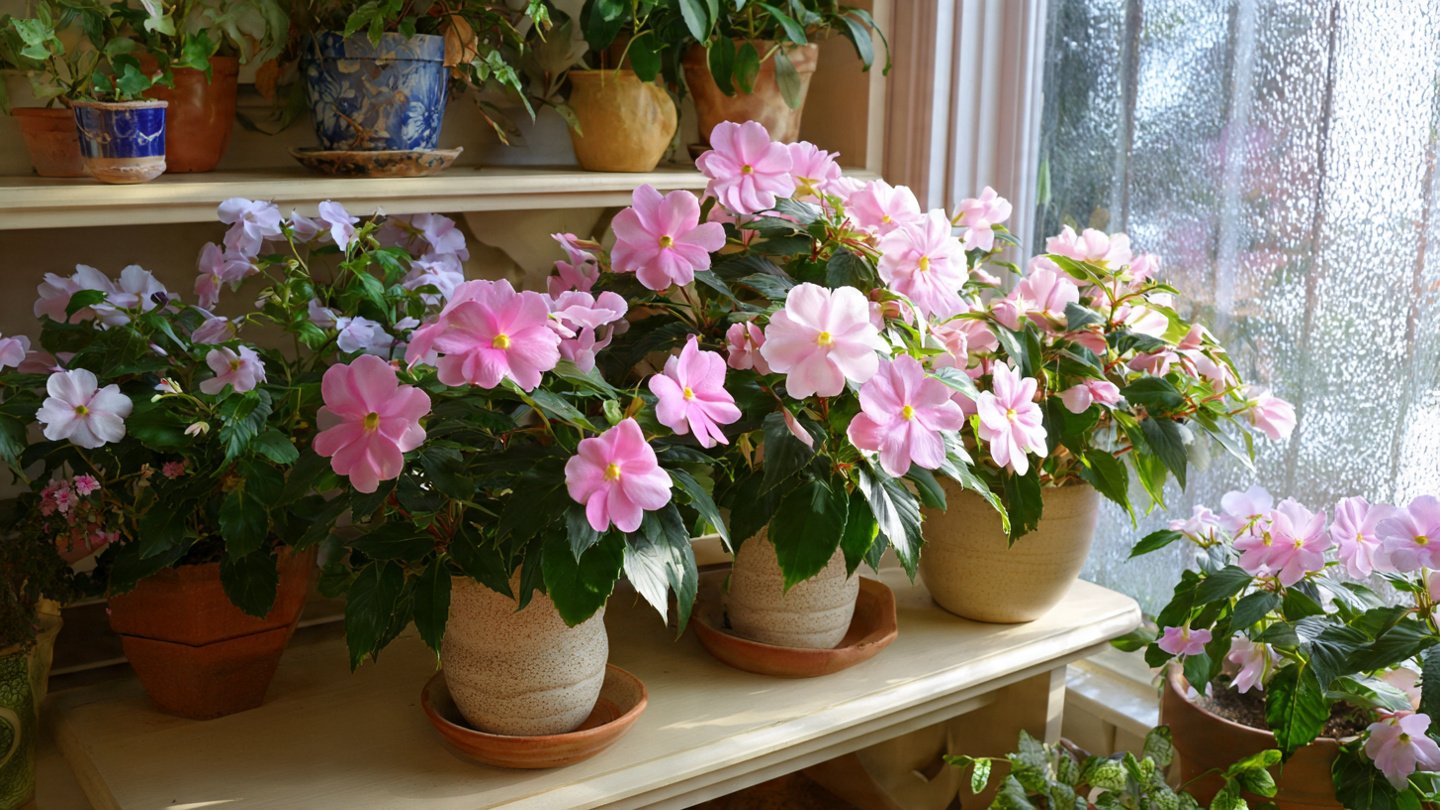
Impatiens are among the most popular flowering houseplants, cherished for their vibrant colors and ability to bloom throughout the year. While they traditionally thrive in shade or partial shade outdoors, many indoor gardeners may wonder how to care for them in bright light conditions. This guide will provide you with essential tips for growing healthy, beautiful Impatiens indoors in bright light, along with practical advice on care, common challenges, and a helpful FAQs section.
Understanding Impatiens
Impatiens, particularly Impatiens walleriana and Impatiens hawkeri, are known for their lush foliage and abundant blooms, coming in colors such as red, pink, white, purple, and even bi-colored varieties. These plants belong to the Balsaminaceae family and originate from tropical regions.
What Makes Impatiens Unique?
- Blooming Characteristics: Impatiens are continuous bloomers, often producing flowers from spring until fall when outdoor conditions are optimal.
- Leaf Structure: The plant features oval-shaped leaves that can be glossy or matte, depending on the variety.
- Ease of Care: Impatiens are relatively low-maintenance, making them an excellent choice for novice gardeners.
Choosing the Right Type of Impatiens
When growing Impatiens indoors, it’s essential to choose the right variety for bright light conditions:
- New Guinea Impatiens: These are well-suited for bright light, showcasing bold colors and a more upright growth habit compared to traditional Impatiens.
- SunPatiens: This variety can tolerate even more sunlight and tends to have robust, drought-resistant qualities.
While traditional Impatiens can also tolerate some bright light, they may not perform as well, so select wisely based on your lighting conditions.
Providing Optimal Light Conditions
- Understanding Lighting: Ideally, Impatiens will thrive with 6-8 hours of indirect sunlight. Direct afternoon sun can scorch the leaves, while too little light will inhibit blooming.
- Placement: Place your plants near east or west-facing windows. East windows provide soft morning light, while west windows offer stronger afternoon light. If you have south-facing windows, ensure that the light is filtered either through sheer curtains or by placing the plants back a few feet from the window.
- Grow Lights: If natural sunlight is insufficient, consider using LED grow lights. These can mimic sunlight’s spectrum and be adjusted to provide the right amount of light for your plants.
Soil and Potting Considerations
- Soil Type: Use a well-draining potting mix rich in organic matter. A mix formulated specifically for houseplants or container gardening works best.
- Pot Size: Start with a standard 6-8 inch pot for young plants. Make sure the pot has drainage holes to prevent root rot.
- Repotting: As your Impatiens grow, repot them every couple of years to provide fresh soil and more space for root development.
Watering Requirements
- Regular Watering: Impatiens prefer consistently moist soil, particularly during the growing season. Water when the top inch of soil feels dry.
- Avoid Overwatering: Be cautious not to over-water. This can lead to root rot. Ensure your pot has proper drainage, and when in doubt, let the soil dry slightly before re-watering.
- Humidity Needs: As tropical plants, Impatiens enjoy humidity. You can enhance humidity by misting the plants, placing a pebble tray beneath the pot, or using a humidifier.
Nutritional Needs
- Fertilizing: Feed your Impatiens with a balanced, water-soluble fertilizer every couple of weeks during the growing season (spring and summer). Look for a fertilizer high in phosphorus (the middle number on the N-P-K ratio) to promote blooming.
- Organic Options: If you prefer organic options, consider using fish emulsion or compost tea, which can provide natural nutrients.
Pest and Disease Management
While Impatiens are generally resilient plants, they may face challenges from pests and diseases:
Common Pests:
- Aphids: Small, soft-bodied insects that suck plant juices. Treat them with insecticidal soap or neem oil.
- Spider Mites: These tiny pests cause stippling on leaves. Keep humidity high to prevent infestations and use a miticide if necessary.
- Mealybugs: White, cottony masses on stems and leaves can be removed with alcohol on a cotton swab or treated with neem oil.
Common Diseases:
- Root Rot: Often caused by overwatering, ensure proper drainage and avoid letting the plants sit in water.
- Powdery Mildew: This fungal disease appears as a white powder on leaves. Improve air circulation and avoid overhead watering to combat it.
Pruning and Maintenance
- Pinching Back: Pinch back the tips of the stems to promote bushier growth and more flowers.
- Deadheading: Remove spent blooms to encourage further blooming and maintain the plant’s appearance.
- Cleaning Foliage: Wipe leaves with a damp cloth to remove dust and improve the plant’s ability to photosynthesize.
Seasonal Care
- Winter Care: In winter, Impatiens may slow down growth. Reduce watering and fertilizing but keep the plants in bright light. Some may require lower humidity during the dryer winter months.
- Rest Period: Allowing your Impatiens a rest period can help them rejuvenate. Reduce watering and fertilizing, and wait for new growth in spring before resuming regular care practices.
Propagation
- Stem Cuttings: Taking cuttings in the spring or summer is a straightforward way to propagate Impatiens. Use a sharp knife or scissors to cut a 3-4 inch stem just below a leaf node.
- Rooting: Place the cuttings in water or a potting mix and keep them moist until roots develop. This usually takes a few weeks.
FAQs
Q1: Why are my Impatiens not blooming?
A: Lack of blooms can result from insufficient light, underwatering, or not fertilizing. Ensure they are getting enough indirect sunlight and that you’re adhering to a consistent watering and fertilizing schedule.
Q2: How often should I water my Impatiens?
A: Water when the top inch of soil feels dry. This could be several times a week, depending on the humidity and temperature of your home.
Q3: Can I grow Impatiens in direct sunlight?
A: While some varieties like New Guinea or SunPatiens can tolerate more light, traditional Impatiens prefer indirect sunlight. Direct sunlight can scorch their leaves.
Q4: Are Impatiens toxic to pets?
A: Impatiens are non-toxic to cats and dogs, making them safe for homes with pets.
Q5: How can I tell if my Impatiens are overwatered?
A: Signs include yellowing leaves, wilting, and a mushy texture in stems or roots. If you suspect overwatering, allow the plant to dry out and check for root rot.
Conclusion
By following this simple guide to caring for Impatiens indoors in bright light settings, you can enjoy the beauty and vibrancy of these plants all year round. With the right light conditions, soil, watering practices, and pest management, your Impatiens will thrive, adding color and life to your indoor space. Whether you are a seasoned gardener or a beginner, these tips will help you cultivate thriving Impatiens that can brighten any room in your home. Happy planting!