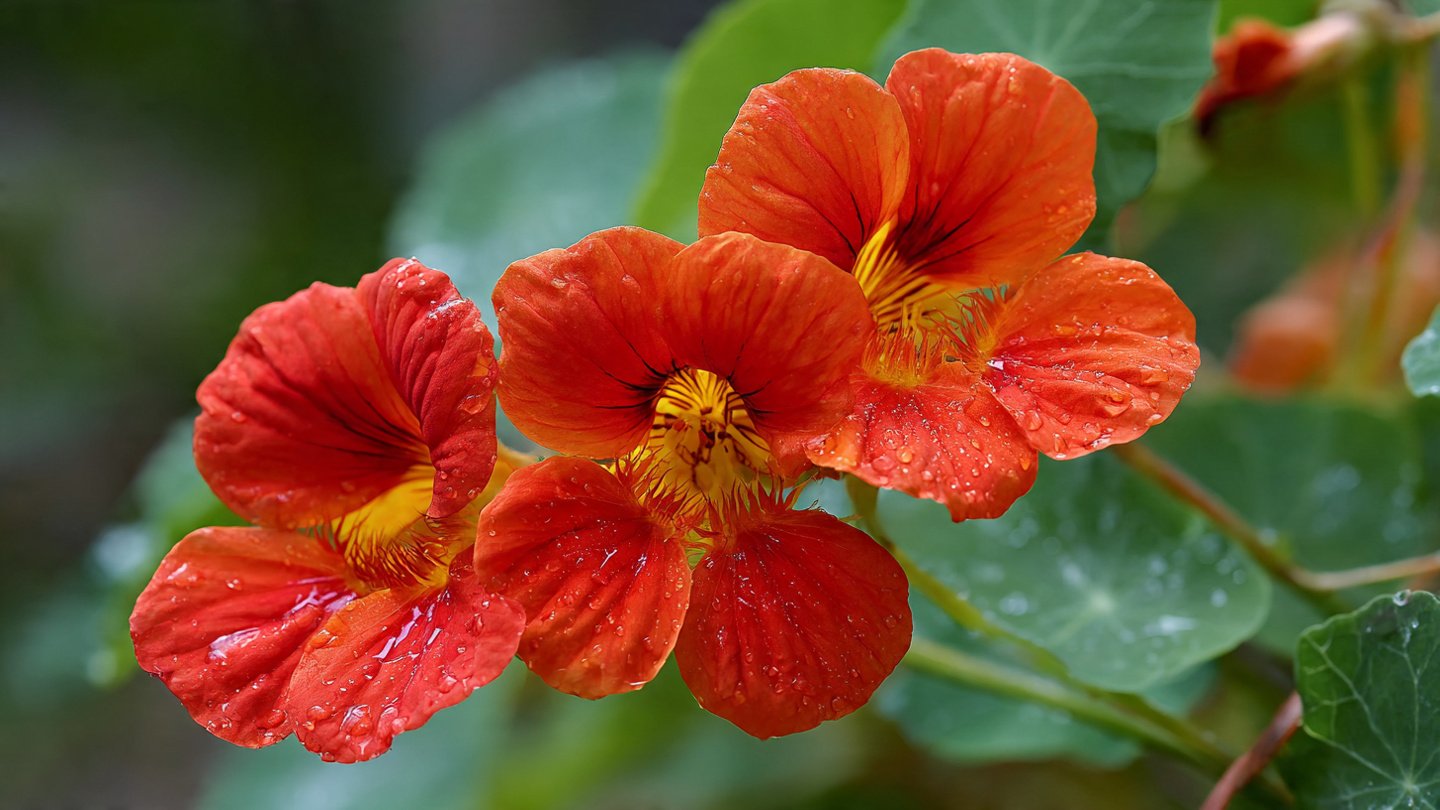
Nasturtiums are delightfully beautiful and versatile plants, renowned for their vibrant blooms and edible foliage. They feature bright, round leaves and flowers in shades of orange, yellow, and red, making them a popular choice for gardeners looking to add color and intrigue to their spaces. The bush-type nasturtium, as opposed to the climbing varieties, grows in a compact habit, making it an excellent choice for small gardens, containers, or even as ground cover. This guide will walk you through easy steps to cultivate thriving bush-type nasturtiums in your garden.
Understanding Nasturtiums
Before delving into the cultivation process, it’s essential to understand the plant itself. Nasturtiums (Tropaeolum majus) are native to South America and have been cultivated since the times of the Aztecs. They belong to the family Tropaeolaceae and are primarily grown for their ornamental value and culinary uses. Here are a few key points:
-
Varieties: Nasturtiums come in both bush and climbing varieties. The bush type, like ‘Jewel Mix’, grows to about 12-18 inches tall and spreads about 12-15 inches wide.
-
Edible Parts: Both the flowers and leaves are edible. The leaves have a peppery taste reminiscent of arugula, while the flowers are a beautiful addition to salads and can also be used as garnishes.
-
Growing Conditions: They thrive in well-draining soil and prefer full sun to partial shade. Given their resilience, they are often considered low-maintenance.
Step-by-Step Guide to Cultivating Bush-Type Nasturtiums
Step 1: Selecting the Right Location
Choose a site that receives full sunlight for at least 6 hours a day. Nasturtiums flourish in well-drained soil. If your garden has heavy clay or sandy soil, amend it with organic matter like compost to improve drainage and nutrient content.
Step 2: Soil Preparation
-
Soil Testing: A simple soil test can help determine pH levels and nutrient content. Nasturtiums prefer slightly acidic to neutral soil (pH between 6.0 and 7.0).
-
Amending Soil: If necessary, incorporate organic compost into the soil. This enriches the soil and enhances drainage, creating an ideal environment for nasturtiums.
-
Tilling: Loosen the soil to a depth of about 12 inches. This will allow roots to grow more easily.
Step 3: Sowing Seeds
Nasturtiums can be directly sown in the garden or started indoors. Here’s how to do both:
-
Direct Sowing:
- Wait until the danger of frost has passed.
- Sow seeds about 1/2 inch deep and 10-12 inches apart to allow for airflow between plants.
-
Starting Indoors:
- Start seeds indoors 4-6 weeks before the last frost date.
- Use peat pots to avoid disturbing the roots during transplanting.
- Water gently to keep the soil moist but not soggy.
Step 4: Watering Wisely
- Initial Watering: After sowing, water gently to establish a good moisture level, ensuring that the seeds are adequately hydrated.
- Ongoing Care: Once established, nasturtiums are somewhat drought tolerant but will benefit from regular watering during dry spells. Allow the soil to dry slightly between watering sessions to prevent root rot.
Step 5: Fertilizing
Nasturtiums don’t require heavy fertilization due to their low nutrient needs. Excess nitrogen can hinder blooming. It’s best to use a balanced, slow-release fertilizer or none at all, relying on organic matter in the soil for sustenance.
Step 6: Managing Pests and Diseases
Nasturtiums are generally resilient but can face issues like aphids, spider mites, and slugs. Here are prevention and management strategies:
-
Natural Predators: Encourage beneficial insects that prey on pests. Ladybugs and lacewings are particularly helpful.
-
Handpicking: For larger pests like slugs, handpicking is effective. Check the leaves and soil regularly.
-
Fungus: Ensure proper airflow to prevent fungal diseases. Overcrowding can lead to mold and other issues.
Step 7: Pruning and Maintenance
-
Deadheading: Regularly pinch off spent blooms to encourage continued flowering.
-
Foliage Care: Remove yellowing leaves to promote air circulation and prevent disease.
-
Spacing: Thin seedlings if they become overcrowded. This helps each plant to access essential resources without competition.
Step 8: Harvesting
-
Leaves and Flowers: Harvest leaves and flowers regularly for culinary uses. Young leaves will have the best flavor.
-
Seeds: If you want to propagate for next season, allow some flowers to mature to seed pods. Once they dry, harvest the seeds for next year’s planting.
Step 9: Winter Care
In cooler climates, nasturtiums are usually grown as annuals. However, in milder climates, you may allow them to self-seed. In winter, cut back the plants if necessary, maintaining a tidy garden environment.
Frequently Asked Questions (FAQs)
1. Can I grow nasturtiums in containers?
Absolutely! Bush-type nasturtiums are ideal for containers due to their compact nature. Choose a large pot with drainage holes, and ensure it has a good potting mix.
2. How often should I water my nasturtiums?
Water nasturtiums deeply but infrequently. Allow the top inch of soil to dry between waterings, especially once they are established.
3. Do nasturtiums attract pests?
While they can attract aphids and spider mites, they also attract beneficial insects that help control pests. Their foliage can act as a trap crop, drawing pests away from more valuable plants.
4. Why are my nasturtium leaves turning yellow?
Yellowing leaves can indicate overwatering or nutrient deficiencies. Ensure your plants are not sitting in waterlogged soil and that they are receiving adequate nutrients.
5. How do I propagate nasturtiums?
You can propagate bush-type nasturtiums by taking cuttings or allowing mature seed pods to dry and collecting them for replanting.
6. Are nasturtiums frost-tender?
Yes, nasturtiums are sensitive to frost. Always plant them after the last frost date, or put pots indoors if there’s a threat of sudden cold.
7. Can I use nasturtiums in cooking?
Yes! Both the leaves and flowers are edible. They add a peppery flavor to salads, and the blossoms are often used as garnish for various dishes.
Conclusion
With their vibrant colors and edible features, bush-type nasturtiums are an excellent addition to any garden. By following the steps outlined in this guide, you can create a thriving patch of these beautiful plants that will not only enhance your outdoor space but also delight your palate. Their easy maintenance and ability to attract beneficial insects make them a favorite for both novice and experienced gardeners alike. So grab some seeds, follow these easy steps, and watch your garden come alive with nasturtiums!