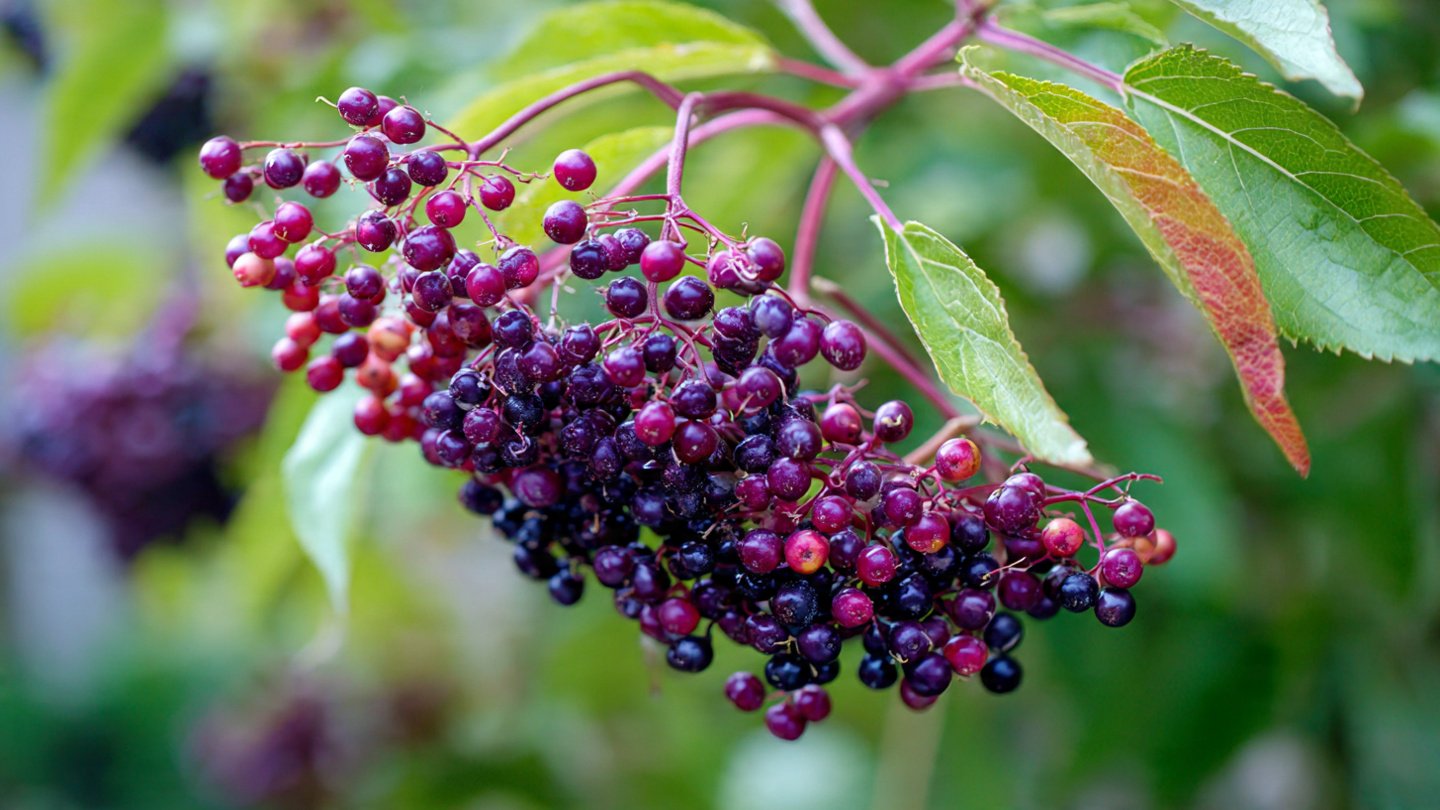
Elderberries, known scientifically as Sambucus spp., are small, dark purple fruits that have gained popularity due to their nutritional benefits and versatility in culinary applications. However, those living in regions with short summer seasons may wonder how to cultivate elderberry successfully. This article provides a comprehensive guide on growing elderberry, including soil preparation, planting techniques, care requirements, pest management, and harvesting. We will also address common questions to help your elderberry cultivation flourish even in less-than-ideal climates.
Understanding Elderberry Varieties
Elderberries come in various species, the most common being the American elderberry (Sambucus canadensis) and European elderberry (Sambucus nigra). Both varieties thrive in different environments, but they share similar growing needs.
Key Benefits of Growing Elderberry
- Health Benefits: Elderberries are rich in antioxidants, vitamins A and C, and flavonoids. They are often used in natural remedies for colds and flu.
- Culinary Uses: The berries can be used in jams, jellies, wine, pies, and even medicinal syrups.
- Wildlife Attraction: The flowers and berries attract pollinators and birds, benefitting the local ecosystem.
Soil Preparation
Before planting elderberries, it’s essential to prepare the soil adequately.
Soil Type
Elderberries prefer well-draining soil rich in organic matter. A pH level between 5.5 and 6.5 is ideal. Conduct a soil test to determine the existing pH and nutrient levels.
Soil Amendment
If your soil is heavy with clay or very sandy, improve its condition by:
- Adding Organic Matter: Incorporate compost, well-rotted manure, or peat moss to enrich the soil and improve drainage.
- Adjusting pH: Use lime to raise the pH or sulfur to lower it based on your soil test results.
Site Selection
Choose a sunny spot for planting elderberries, as they require at least 6-8 hours of sunlight daily. However, some shade can be beneficial in extremely hot climates.
Wind Protection
Look for a site protected from strong winds, which can damage young plants. A fence or natural windbreak can help shield your elderberries.
Planting Elderberry
Timing
The best time to plant elderberries is in early spring after the last frost, or during late fall. Since summer is short in some regions, planting in early spring allows ample time for the plants to establish.
Planting Method
- Spacing: Space plants about 6-10 feet apart to allow for their bushy growth.
- Depth: Dig a hole that is twice the width and depth of the root ball. Position the plant so that the root crown (where the roots meet the stem) is at soil level.
Watering
Water the plants thoroughly after planting. Consistent moisture is crucial in the initial weeks to help the roots establish.
Care Requirements
Once planted, elderberries need certain care routines to thrive.
Watering
Elderberries require regular watering, especially during dry spells. Aim for about an inch of water per week. In short summer conditions, consider a drip irrigation system to maintain consistent moisture without waterlogging the roots.
Fertilization
Early in the spring, apply a balanced fertilizer (10-10-10) at a rate of 1 pound per 100 square feet. This will promote healthy growth. Avoid high-nitrogen fertilizers that can lead to excessive leaf growth and fewer berries.
Pruning
Regular pruning helps maintain plant health and maximizes fruit production:
- First Year: Allow plants to establish without heavy pruning.
- Subsequent Years: In late winter, remove dead or weak stems and cut back older branches to encourage new growth. Aim for maintaining an open center for air circulation.
Pest Management
Elderberries are generally pest-resistant, but some issues can arise.
Common Pests
- Aphids: Small sap-sucking insects that can be managed by encouraging natural predators like ladybugs or using insecticidal soap.
- Japanese Beetles: Handpick them off plants or use traps if they become a nuisance.
- Spider Mites: Increased humidity around the plants often keeps them at bay.
Diseases
Be watchful for diseases such as:
- Fungal Infections: Powdery mildew can be treated with fungicide. Ensure good air circulation and avoid overhead watering to minimize moisture on leaves.
- Crown Rot: This can occur in poorly drained soil. Ensure proper drainage and avoid overwatering.
Harvesting Elderberry
Elderberries typically take 1-2 years to start producing fruits. You’ll know they’re ready to harvest when they turn a dark purple or black color and are clustered in fragrant clusters.
Harvesting Techniques
- Timing: Harvest in late summer or early fall.
- Method: Use scissors to snip off entire clusters. Handle carefully to avoid bruising the berries.
Post-Harvest Handling
Store fresh elderberries in a cool place and use them within a few days, or freeze them for longer storage.
Additional Tips for Success in Short Summer Conditions
- Mulching: Apply a thick layer of organic mulch around the base of the plants. This helps conserve moisture and suppress weeds.
- Frost Protection: If late frosts are a concern, consider using plant covers to shield young plants.
- Companion Planting: Plant elderberries alongside companion plants like garlic and chives, which can deter pests naturally.
Frequently Asked Questions (FAQs)
1. Can elderberries grow in partial shade?
Yes, while elderberries prefer full sun, they can tolerate partial shade. However, full sun will yield more fruit.
2. How quickly do elderberries grow?
Elderberries can grow 6-12 feet tall and spread out significantly. They typically start producing fruit in their second year.
3. Are elderberry flowers edible?
Yes, elderberry flowers are edible and can be used in teas, cordials, and fritters.
4. Can I grow elderberries in pots?
Yes, elderberries can be grown in large pots, but ensure they have enough space for root development.
5. How can I protect my elderberries from frost?
Use row covers or frost cloths to shield your plants from late frosts during spring.
6. Do I need more than one elderberry plant for pollination?
Most elderberry varieties benefit from cross-pollination, so it is best to plant at least two different varieties.
7. Can I use elderberries to make wine?
Yes, elderberries are often used in the production of wine, providing a rich flavor profile.
Conclusion
Cultivating elderberries in short summer conditions is entirely feasible with careful planning and attention. By preparing the soil properly, selecting the right varieties, and implementing smart care strategies, you can successfully grow these nutrient-rich berries. Remember that patience is key—effective elderberry cultivation takes time. Embrace the process, and you’ll be rewarded with a bountiful harvest!