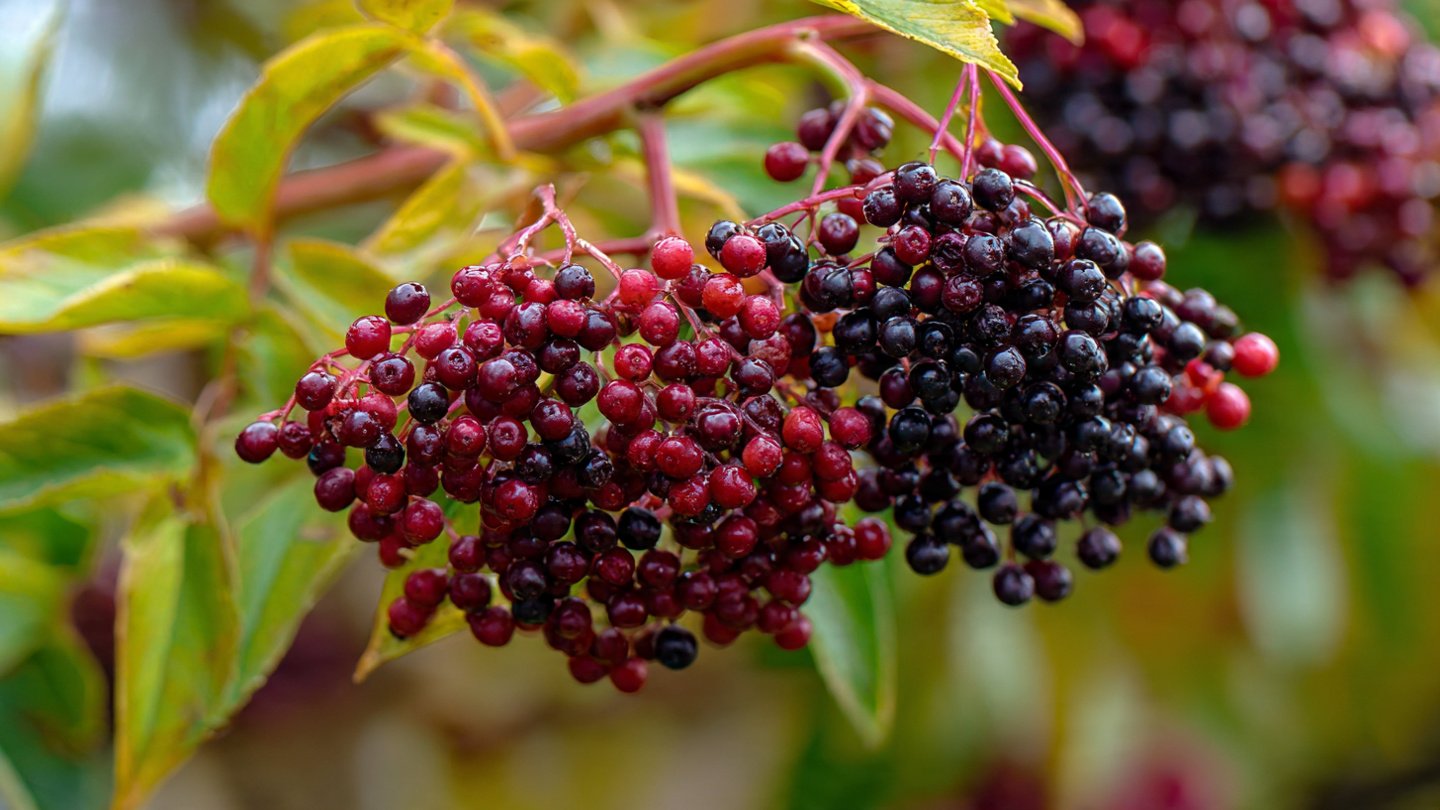
Growing compact elderberry bushes in your backyard can be an enriching endeavor. Not only do these plants produce delicious berries, but they are also beneficial for wildlife and have medicinal uses. Whether you want to enhance your garden’s biodiversity, create beautiful landscapes, or harvest berries for jams and jellies, learning how to grow elderberries successfully can lead to a bountiful harvest.
1. Understanding Elderberries
1.1 What are Elderberries?
Elderberries are small, dark berries produced by the Sambucus plant. These berries are rich in antioxidants, vitamins, and minerals. They are commonly used for making syrups, jams, and wines, and are often touted for their medicinal properties, particularly in treating colds and flu.
1.2 Types of Elderberry Plants
While several species exist, the most common types include:
- Sambucus nigra: The European elderberry known for its large dark berries.
- Sambucus canadensis: The American elderberry recognized for its robust growth and adaptability.
- Sambucus racemosa: The red elderberry, which is less commonly cultivated and should be noted that its berries are toxic when raw.
For this guide, we focus on the American elderberry as they are well-suited for home gardens.
2. Choosing the Right Location
2.1 Sunlight Requirements
Elderberries thrive in full sun to partial shade. Ideally, they should receive at least six hours of sunlight each day. However, too much direct sunlight can lead to sunburned leaves, especially in warmer climates.
2.2 Soil Conditions
Elderberries prefer well-drained, rich, and loamy soil with a pH between 5.5 and 7.0. Their roots are sensitive to soggy conditions, so ensure your planting area has good drainage. Amend the soil with organic matter like compost or well-rotted manure to improve its structure and nutrient content.
2.3 Spacing Concerns
Compact varieties of elderberry can be spaced closer than traditional varieties. A spacing of about 3 to 5 feet apart is ideal for maintaining air circulation while allowing for healthy growth. This spacing prevents overcrowding and ensures that each plant receives adequate light and nutrients.
3. Planting Elderberries
3.1 Choosing the Right Varieties
Compact varieties, such as “Adams,” “York,” and “Nova,” are suitable for home gardens due to their size and high yield. Research the varieties that are most suitable for your climate and soil conditions.
3.2 When to Plant
The best time to plant elderberry bushes is in early spring (after the last frost) or in the fall (before the first frost). This gives the bushes enough time to establish their roots before facing extreme weather conditions.
3.3 Planting Procedure
- Prepare the Soil: Clear the planting area of weeds and debris. Amend the soil with compost.
- Dig a Hole: Make a hole about twice the size of the root ball of the plant.
- Place the Plant: Position the elderberry bush upright in the hole. Ensure the top of the root ball is level with the soil surface.
- Backfill: Fill in the hole with soil, firming it gently around the base.
- Watering: Give the newly planted elderberry a good drink of water to settle the soil.
4. Caring for Your Elderberry Bushes
4.1 Watering
During the growing season, elderberries need consistent moisture. Water them regularly, especially during dry spells. A good rule of thumb is to provide about an inch of water per week.
4.2 Fertilization
Elderberries are generally low-maintenance. However, a balanced, slow-release fertilizer in early spring can promote healthy growth. Be cautious not to over-fertilize, as this can lead to lush foliage at the expense of berry production.
4.3 Pruning
Regular pruning is essential for compact elderberries. This practice encourages healthy growth, removes dead or diseased branches, and increases air circulation.
- First Pruning: In the spring of the second year, prune back one-third of the oldest stems to encourage new growth.
- Subsequent Pruning: Annually trim away any dead or damaged stems and thin out crowded areas to promote good airflow.
4.4 Pest and Disease Management
Elderberries are relatively pest-resistant, but you may encounter issues with aphids, spider mites, or Japanese beetles. Regular inspections can help catch infestations early. Use organic pesticides or insecticidal soap if necessary.
Common diseases include:
- Powdery Mildew: Usually occurs in humid conditions; ensure good air circulation and avoid overhead watering.
- Elderberry Bacterial Leaf Spot: Prevent this disease by controlling weed growth around the base and avoiding water on the leaves during late afternoon and evening.
5. Harvesting Elderberries
5.1 When to Harvest
Elderberries typically ripen in late summer or early fall. The clusters should turn deep purple or black when fully mature. Harvesting should be done when the berries are fully ripe but before any berries start to shrivel.
5.2 How to Harvest
- Use Gloves: Elderberry juice can stain skin and clothing, so wearing gloves is advisable.
- Cut the Clusters: Use pruning shears to cut off entire clusters of berries. Avoid pulling the berries individually, as this can damage the plant.
- Storage: Elderberries can be stored in the refrigerator for several days. For long-term storage, they can be frozen or processed into jams, jellies, or syrups.
6. Uses of Elderberries
The culinary versatility of elderberries makes them a prized addition to many households. They can be used in:
- Jams and Jellies: Their sweet-tart flavor makes excellent preserves.
- Syrups: Elderberry syrup is popular for its potential health benefits, especially in boosting the immune system.
- Wine and Liqueurs: They can be fermented to create unique beverages.
- Cooking: Use in pies, desserts, and savory dishes.
FAQs
1. Are elderberries safe to eat?
Elderberries should be cooked before consumption, as raw berries can be toxic and may cause nausea. Cooking destroys the toxic compounds.
2. What is the best time of year to plant elderberries?
The best time to plant elderberries is in early spring or fall, allowing time for root establishment.
3. Do elderberries require pollination?
While elderberries can produce fruit on their own, planting multiple varieties nearby can improve pollination rates and increase yields.
4. How long does it take for elderberries to bear fruit?
Elderberries typically start producing fruit in their second or third year after planting, depending on the variety and growing conditions.
5. Can I grow elderberries in a pot?
Yes, compact elderberry varieties can be grown in pots, provided they have enough space, sunlight, and proper care. Choose a large pot with good drainage.
6. How can I protect my elderberries from birds and other wildlife?
To protect the berries from birds, consider using netting or row covers during the ripening period.
Conclusion
Growing compact elderberry bushes in your backyard is not only fulfilling but also allows you to enjoy the myriad benefits these bushes provide. With the right knowledge about planting, care, and harvesting, you can look forward to a bountiful harvest year after year. Get started today, and soon you’ll be enjoying the fruits of your labor—both in the kitchen and in the health of your family!