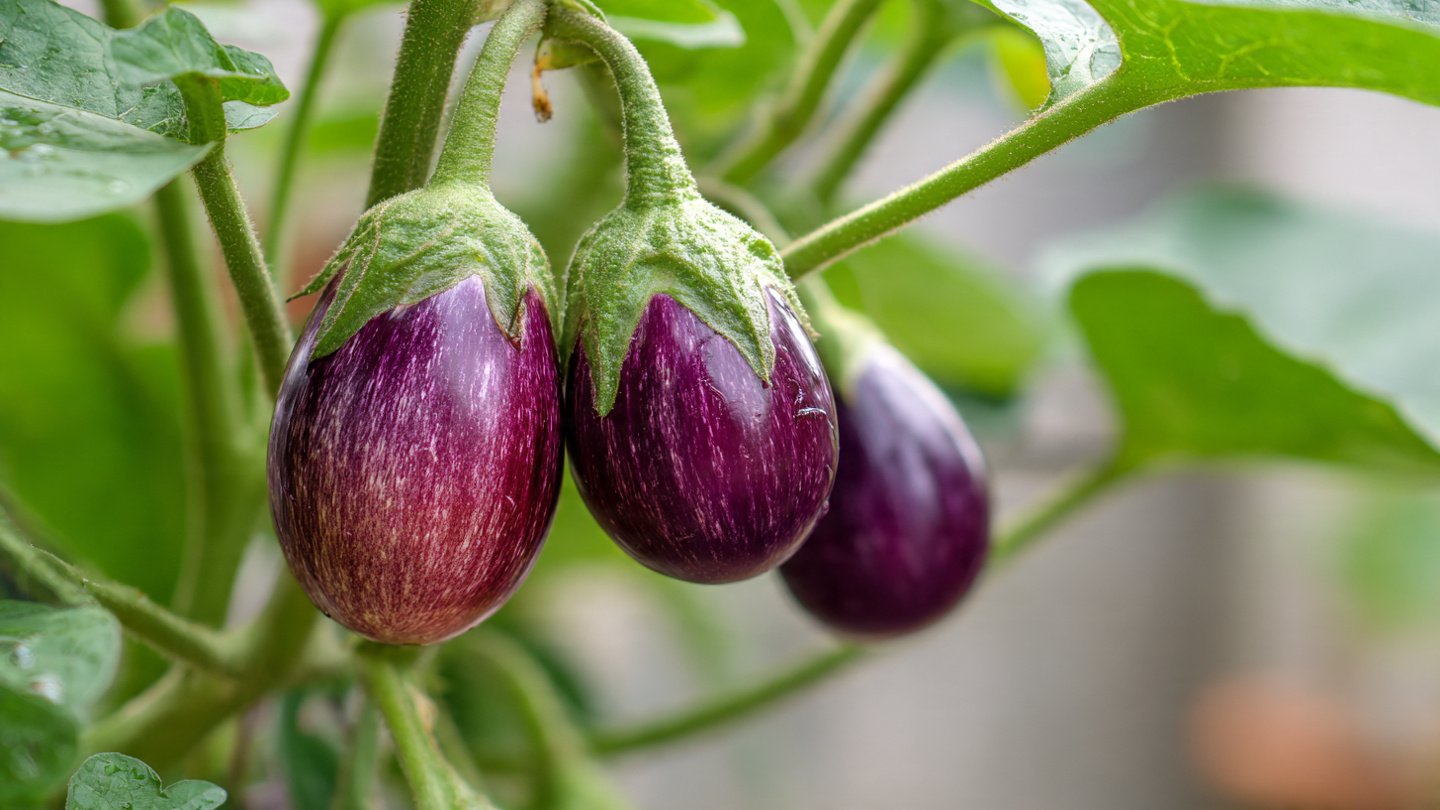
Brinjal, also known as eggplant or aubergine, is a beloved vegetable in many cuisines around the world. Its versatility in cooking, nutritional benefits, and unique taste make it a favorite among home gardeners. Growing brinjal from store-bought seeds can be a rewarding experience, allowing you to enjoy fresh produce right from your backyard. In this guide, we’ll take you through everything you need to know about successfully growing brinjal in your home garden, covering the essentials from seed selection to harvesting.
Understanding Brinjal
Brinjal belongs to the Solanaceae family, which includes other well-known plants like tomatoes and potatoes. With their shiny, deep purple skin, brinjals are not only attractive but also packed with nutrients. They are low in calories and high in vitamins, minerals, and antioxidants, making them an excellent addition to a healthy diet.
Benefits of Growing Brinjal
- Freshness: Home-grown brinjals taste notably fresher than store-bought varieties.
- Variety: Multiple cultivars are available that may not be found in local stores.
- Cost-Effective: Growing your own can reduce the cost of purchasing these vegetables.
- Control Over Growing Conditions: You can avoid harmful chemicals and pesticides.
Selecting the Right Seeds
When starting your brinjal journey, the first step is to choose the right seeds. Here are some considerations:
- Variety: Select a variety that suits your climate and personal preference. Popular types include Black Beauty, Italian, and Thai eggplants.
- Seed Quality: Purchase high-quality seeds from reputable sources. Organic seeds are preferable for those looking to avoid chemicals.
Preparing for Planting
-
Timing: Brinjals thrive in warm weather. The ideal temperature for growing is between 70°F to 85°F (21°C to 29°C). Start seeds indoors 8-10 weeks before the last frost date.
-
Soil Requirements: Brinjal plants prefer well-draining, fertile soil with a pH of 5.5 to 7.0. Consider mixing in organic compost to enhance soil fertility.
-
Containers or Seed Trays: Start seeds in biodegradable pots or seed trays. This allows for easy transplanting when the seedlings mature.
Steps to Planting Seeds
-
Sow Seeds: Plant seeds about ¼ inch deep in the soil. Water gently to avoid displacing the seeds.
-
Light Conditions: Place the containers in a sunny spot, ensuring they get at least 6-8 hours of sunlight daily. If sunlight is limited, consider using grow lights.
-
Moisture: Keep the soil consistently moist but not soggy. Too much water can lead to root rot, whereas too little can hinder germination.
-
Thinning: Once seedlings have developed two sets of true leaves, thin them out to avoid overcrowding, leaving only the strongest seedlings per pot.
Transplanting Seedlings
After 6-8 weeks, when seedlings are around 6 inches tall and the threat of frost has passed, it’s time to transplant them outdoors.
Steps to Transplant
-
Choose a Planting Site: Select a sunny spot in your garden where brinjal can receive ample sunlight and has good air circulation.
-
Soil Preparation: Amend the soil with organic matter to improve fertility and drainage.
-
Spacing: Space the plants 18-24 inches apart to ensure their growth is not restricted.
-
Transplanting Process:
- Water the seedlings well before transplanting.
- Dig a hole larger than the seedling’s root ball.
- Carefully remove the seedlings from their containers, handling them by their leaves, and place them in the hole.
- Fill in with soil and water thoroughly.
Caring for Brinjal Plants
Proper care is crucial for healthy growth.
Watering
- Water deeply but infrequently, about 1-2 times a week, depending on weather conditions. Consistent moisture helps prevent blossom drop.
Fertilizing
- Use a balanced fertilizer every 4-6 weeks. Organic options like compost tea or fish emulsion work well.
- Apply fertilizer according to package instructions to avoid over-fertilization, which can harm the plants.
Pest and Disease Management
Brinjals can be susceptible to pests like aphids, whiteflies, and beetles. Implement integrated pest management by:
- Regularly inspecting the plants.
- Using neem oil or insecticidal soap to combat infestations.
- Introducing beneficial insects like ladybugs can help control pest populations.
Pruning
Regularly prune the plants to improve airflow and reduce the risk of diseases. Remove yellowing leaves and suckers (the small shoots that grow between the stem and the main branches).
Harvesting Brinjal
Brinjals are usually ready to harvest 70-80 days after transplanting, depending on the variety. Here’s how to determine when it’s time to pick:
- Color: Look for a vibrant, glossy color. Dull skin indicates overripeness.
- Size: Harvest when the fruits reach a size suitable for the variety (generally 5-8 inches long).
- Firmness: Lightly squeeze the fruit; it should feel firm yet slightly tender.
To harvest, simply cut the stem 1-2 inches above the fruit with a sharp knife or garden shears.
FAQs
1. Can I grow brinjal in pots?
Yes, brinjal can be successfully grown in pots. Ensure the container is at least 5 gallons in size with adequate drainage.
2. How often should I water brinjal plants?
Water deeply but infrequently, approximately once or twice a week. Adjust based on rainfall and temperature.
3. What can I plant alongside brinjal?
Companion plants like tomatoes, peppers, and basil can thrive alongside brinjal, but avoid planting with plants in the same family, such as potatoes.
4. Are brinjal plants annuals or perennials?
Brinjal is technically a perennial but is commonly grown as an annual in most home gardens because of its sensitivity to frost.
5. How do I store harvested brinjals?
Store harvested brinjals in a cool, dark place for up to a week. Refrigeration can help extend their freshness, but avoid washing them until ready to use to prevent spoilage.
6. What diseases affect brinjal plants?
Common diseases include blight, wilt, and root rot. Preventative measures include crop rotation, proper spacing for airflow, and maintaining healthy soil.
Conclusion
Growing brinjal from store-bought seeds is not only achievable but also a fun and fulfilling endeavor for any home gardener. With the right preparation, ongoing care, and attention, you’ll enjoy a bountiful harvest of delicious, healthy brinjals. Whether grilled, sautéed, or baked, your home-grown brinjals will elevate your culinary creations and bring a touch of homegrown goodness to your table. Happy gardening!