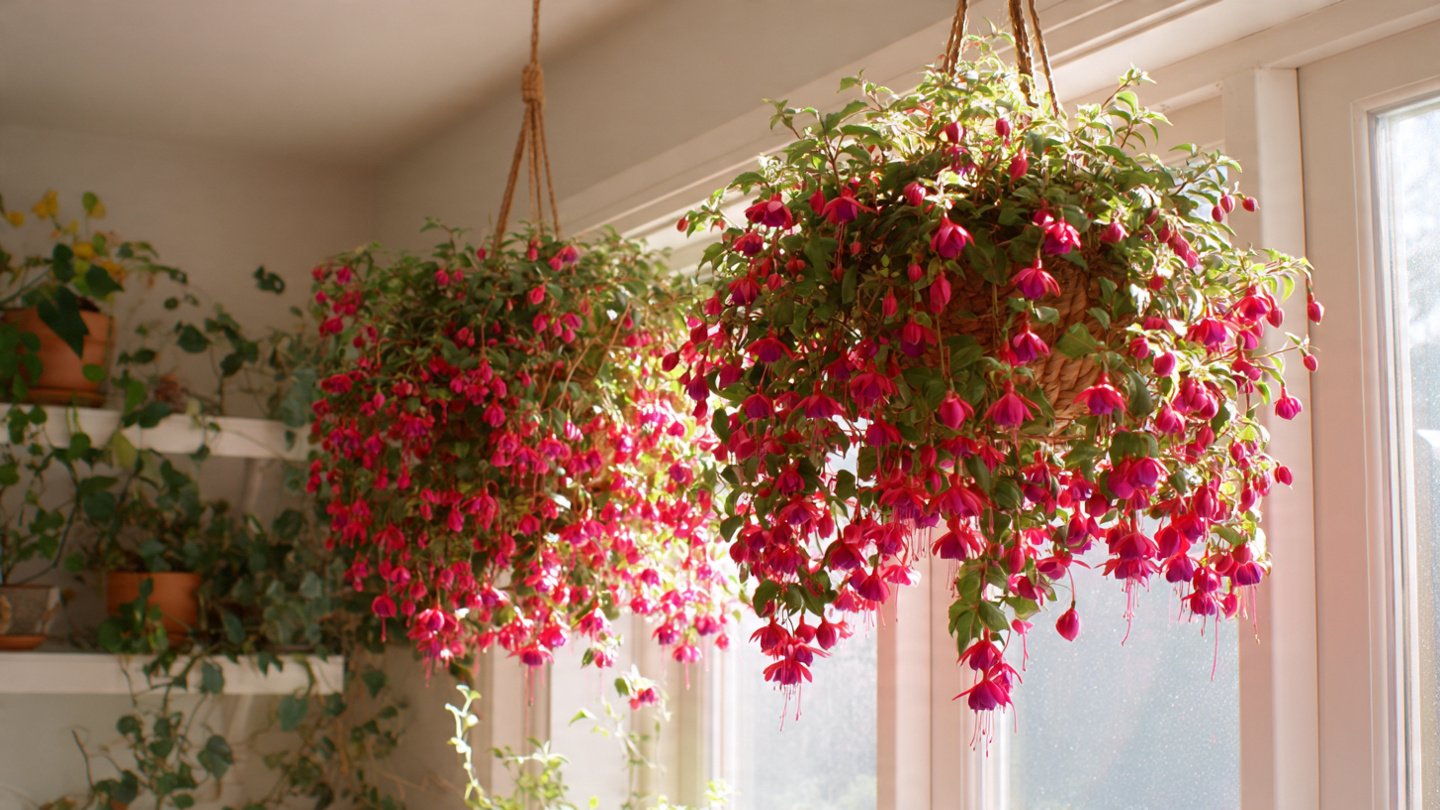
Fuchsia plants are beloved for their stunning bell-shaped flowers and lush foliage. Their vibrant colors and graceful appearance make them a favorite for hanging baskets, especially indoors. If you’re considering adding these lovely plants to your indoor garden, you’re in for a treat! This comprehensive guide will walk you through easy methods for successfully growing fuchsia indoors in hanging baskets.
Understanding Fuchsia: An Overview
Fuchsia is a genus of flowering plants that includes both perennial and annual varieties. They are particularly renowned for their remarkable blooms, which can be seen in an array of colors such as pink, red, purple, and white. Native to Central and South America, fuchsia thrives in cooler climates and can produce flowers from spring to frost.
Selecting the Right Variety
When growing fuchsia indoors, choosing the right variety is crucial. Some popular varieties suitable for indoor hanging baskets include:
- Fuchsia magellanica: Known for its hardiness and excellent performance in cooler conditions.
- Fuchsia ‘Gartenmeister Bonstedt’: Features vibrant red and purple flowers; perfect for cascading.
- Fuchsia ‘Swingtime’: Offers a unique trailing habit and is great for hanging arrangements.
Choosing the Perfect Hanging Basket
Size Matters
Opt for baskets that are at least 10-12 inches in diameter. The larger the basket, the more room your fuchsia will have to grow, allowing for a fuller, more vibrant plant.
Material Considerations
Hanging baskets come in various materials such as plastic, metal, and clay. Plastic is lightweight and retains moisture well, while clay allows for better aeration. Choose a material that suits your aesthetic and practical needs.
Drainage Solutions
Good drainage is essential for fuchsia health. Ensure that your basket has adequate drainage holes. You can also add a layer of small stones or charcoal at the bottom to enhance drainage.
The Perfect Soil Mix
Fuchsia prefers well-draining, slightly acidic soil. Consider using a potting mix that consists of:
- Peat Moss: Retains moisture while providing aeration.
- Perlite or Vermiculite: Ensures good drainage and prevents soil compaction.
- Compost: Enriches the soil with nutrients.
You can mix these ingredients in equal parts, creating a loose, light mixture that fosters healthy root development.
Watering Your Fuchsia
Frequency
Fuchsia thrives in consistently moist conditions. However, overwatering can lead to root rot. Water your fuchsia when the top inch of soil feels dry.
Technique
Water the plant thoroughly, until you see water draining from the bottom of the basket. Avoid letting the basket sit in standing water, as this can suffocate roots.
Light Requirements
Fuchsia enjoys bright, indirect sunlight. Placing your hanging basket in a location where it receives filtered light is essential. Too much direct sunlight can scorch the delicate leaves and flowers.
Indoor Lighting Options
If natural light is limited, consider using grow lights. Place incandescent or fluorescent grow lights 12-18 inches above the plants for approximately 12-14 hours a day.
Temperature and Humidity
Fuchsia grows best in temperatures between 60°F and 75°F (15°C to 24°C). Be cautious of extreme temperature changes; keep your plant away from drafts, air conditioning vents, or heaters.
Humidity Levels
A humidity level of around 50% is ideal. If your indoor environment is dry, especially during winter, consider placing a humidity tray filled with water near your plants, or misting the leaves occasionally.
Fertilizing Your Fuchsia
Fuchsia benefits from regular fertilization during the growing season (spring to early fall). Use a balanced, water-soluble fertilizer with an NPK ratio of 20-20-20 or similar.
Application Frequency
Fertilize your fuchsia every 4-6 weeks, following the manufacturer’s instructions for dilution. Be cautious not to over-fertilize, as this can burn the roots and damage the plant.
Pruning and Pinching
Regular pruning helps maintain the shape of your fuchsia and encourages bushier growth. You can pinch back new growth every few weeks to promote fullness. Remove spent flowers regularly to encourage more blooms.
Pest and Disease Management
Fuchsia is generally resistant to many pests and diseases. However, keep an eye out for:
- Aphids: Small insects that may cluster on new growth. Use insecticidal soap or neem oil for control.
- Spider Mites: Often caused by low humidity, these can be managed by increasing humidity or using miticides.
- Powdery Mildew: Avoid overcrowding and ensure good air circulation to minimize this fungal disease.
Seasonal Changes
As seasons change, you may need to adjust your care routine.
Winter Care
During the winter months, reduce watering as growth slows down. Ensure your fuchsia receives enough light, either from natural or artificial sources.
Re-potting
If your fuchsia becomes root-bound, it may be time to repot. Choose a container one size larger and refresh the soil.
Enjoying Your Blooms
Once your fuchsia is thriving, it’s time to enjoy their beautiful flowers. These plants are particularly attractive in hanging baskets, where the blooms can cascade downwards, creating a stunning visual display.
FAQs
1. How often should I water my indoor fuchsia?
Water your fuchsia when the top inch of soil feels dry. Typically, this may be once every few days to once a week, depending on your indoor conditions.
2. Can I grow fuchsia from cuttings?
Yes! You can propagate fuchsia from cuttings. Take 3-4 inch cuttings from healthy plants, remove the lower leaves, and place them in a moist potting mix until they root.
3. What should I do if my fuchsia isn’t blooming?
Ensure your fuchsia receives enough light and proper fertilization. Insufficient light or nutrients typically leads to a lack of blooms.
4. Can I keep my fuchsia outdoors in the summer?
Yes, if you live in a climate with cooler summers, you can place your fuchsia outdoors. Just be sure to bring it back inside before the temperatures drop.
5. How can I encourage more blooms on my fuchsia?
Regular deadheading (removing spent flowers) and ensuring proper light, water, and nutrients will promote more blooms.
Final Thoughts
Growing beautiful fuchsia indoors in hanging baskets can be a fulfilling endeavor. With the right knowledge and care, you can enjoy an eye-catching display of flowers throughout the growing season. By following the methods outlined in this guide, your fuchsia will thrive, offering stunning blooms that brighten any indoor space. Happy gardening!