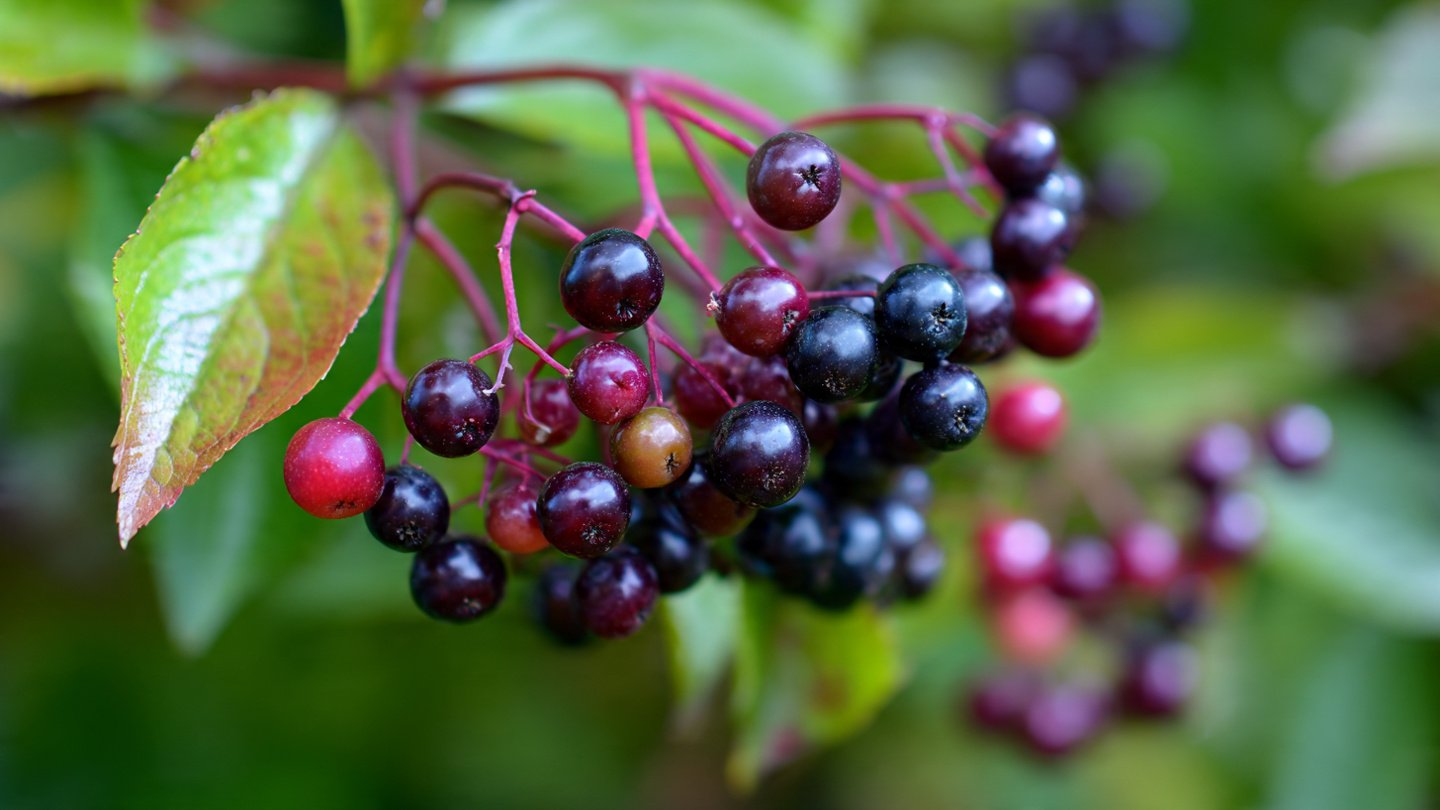
Elderberry (Sambucus) is a versatile and hardy shrub known for its beautiful flowers and edible berries. It thrives in various conditions and has numerous health benefits, making it a popular choice among gardeners. For those with limited space or poor soil conditions, growing elderberry in containers provides a practical solution. This guide aims to help beginners successfully grow elderberry in containers, covering everything from choosing the right container to caring for your plant.
1. Understanding Elderberry
1.1 What is Elderberry?
Elderberry is a deciduous shrub that belongs to the Adoxaceae family. It produces clusters of small, creamy-white flowers in late spring, followed by dark purple berries in late summer and early fall. These berries are often used in jams, jellies, wines, and traditional medicine due to their high levels of antioxidants and vitamins.
1.2 Benefits of Growing Elderberry
- Health Benefits: Elderberries are rich in vitamin C and antioxidants, which can boost your immune system and help fight infections.
- Ornamental Value: Elderberry plants have attractive foliage and flowers, making them a beautiful addition to your garden or patio.
- Wildlife Friendly: The berries attract birds and other wildlife, enhancing biodiversity in your area.
2. Choosing the Right Containers
2.1 Container Size
Elderberry plants can grow quite large, so choosing the right container size is crucial. A container with a minimum capacity of 10-15 gallons is ideal for mature plants. Larger pots encourage healthy root development and prevent the plant from becoming root-bound.
2.2 Material of the Container
Select containers made from durable materials such as ceramic, wood, or high-quality plastic. Ensure the container has drainage holes to prevent waterlogging, which can harm the plant’s roots.
3. Selecting the Right Soil
3.1 Soil Type
Elderberries prefer well-draining soil that is rich in organic matter. A potting mix formulated for vegetables or fruit plants is often an excellent choice.
3.2 Soil pH
The ideal pH for elderberries is between 5.5 and 7.0. You can test the pH of your soil using a simple soil test kit available at garden centers. If your soil is too acidic, mix in lime; if it’s too alkaline, add sulfur.
4. Planting Elderberry in Containers
4.1 Choosing the Right Variety
When selecting elderberry varieties for container growth, consider dwarf or semi-dwarf types, such as:
- Sambucus canadensis: Common elderberry, grows well in containers.
- Sambucus nigra ‘Black Lace’: An ornamental variety with unique foliage and dark berries.
4.2 Planting Process
- Preparation: Start by filling your container with potting soil, leaving about an inch of space at the top.
- Planting Depth: Dig a hole in the center of the soil about twice the size of the plant’s root ball. Place the elderberry in the hole and cover the roots with soil.
- Watering: Water thoroughly to eliminate air pockets and provide hydration.
5. Caring for Container-Grown Elderberry
5.1 Watering
Elderberries require consistent moisture, especially during hot months. Ideally, the soil should be kept moist but not soggy. Be mindful of rainfall and check the soil’s moisture level regularly.
5.2 Fertilizing
Feed your elderberry plant with a balanced, slow-release fertilizer in early spring. Organic options like fish emulsion or compost tea can also provide essential nutrients without the risk of over-fertilizing.
5.3 Pruning
Pruning helps maintain the size and shape of elderberry plants. Remove dead or damaged branches in late winter or early spring before new growth begins. Trim about one-third of the older wood annually to encourage new growth and enhance berry production.
5.4 Pest and Disease Management
Container plants can still suffer from pests and diseases. Monitor your elderberry for common issues like aphids and powdery mildew. Use organic insecticidal soap or neem oil for treatment if necessary. Good airflow and sunlight can help prevent fungal diseases.
6. Harvesting Elderberries
6.1 When to Harvest
Elderberries are typically ready for harvest in late summer to early fall when the berries have turned a deep purple-black color. The clusters should be plump and easy to remove from the stems.
6.2 How to Harvest
Use pruning shears to cut the clusters from the plant. Be sure to wear gloves, as raw elderberries can be toxic when consumed in large quantities.
7. Winter Care for Elderberry in Containers
7.1 Protecting the Plant
In colder climates, protection from frost is essential. Move the container to a sheltered location, such as a garage or porch, or wrap the container with burlap or insulation material to retain warmth.
7.2 Watering in Winter
While the plant is dormant, watering needs decrease, but ensure the soil does not completely dry out. Water sparingly during the winter months.
8. FAQs about Growing Elderberry in Containers
Q1: Can I grow elderberries in smaller containers?
A1: While smaller containers may allow for initial growth, they restrict root development and may stunt the plant’s growth. A minimum of 10-15 gallons is recommended.
Q2: Do elderberries require full sun?
A2: Yes, elderberries thrive in full sun, preferably 6-8 hours of direct sunlight daily. However, they can tolerate partial shade.
Q3: How often should I fertilize my elderberry?
A3: Fertilize your elderberry plant in early spring with a balanced slow-release fertilizer. Depending on growth, you might need to reapply mid-summer.
Q4: Can elderberries be grown indoors?
A4: While it’s possible to grow elderberry indoors, it typically requires grow lights and careful attention to humidity levels, making it more challenging than outdoor cultivation.
Q5: Are elderberries safe for pets?
A5: Elderberries themselves are safe in small amounts, but the seeds and leaves contain cyanogenic compounds that can be toxic if consumed in large quantities.
Q6: How can I propagate elderberry?
A6: Elderberries can be propagated through softwood cuttings taken in late spring or early summer. Place the cuttings in a potting mix and keep them moist until roots develop.
Q7: Do elderberries attract wildlife?
A7: Yes, the flowers are excellent for pollinators, and the ripe berries attract birds, making your garden more vibrant and lively.
Conclusion
Growing elderberries in containers is a rewarding endeavor that can enhance your garden’s appeal and provide health benefits. By choosing the right container, soil, and care practices, even beginners can enjoy success. With a little patience and attention, you’ll be able to harvest your own delicious elderberries, contributing to your health and well-being. Happy gardening!