Introduction
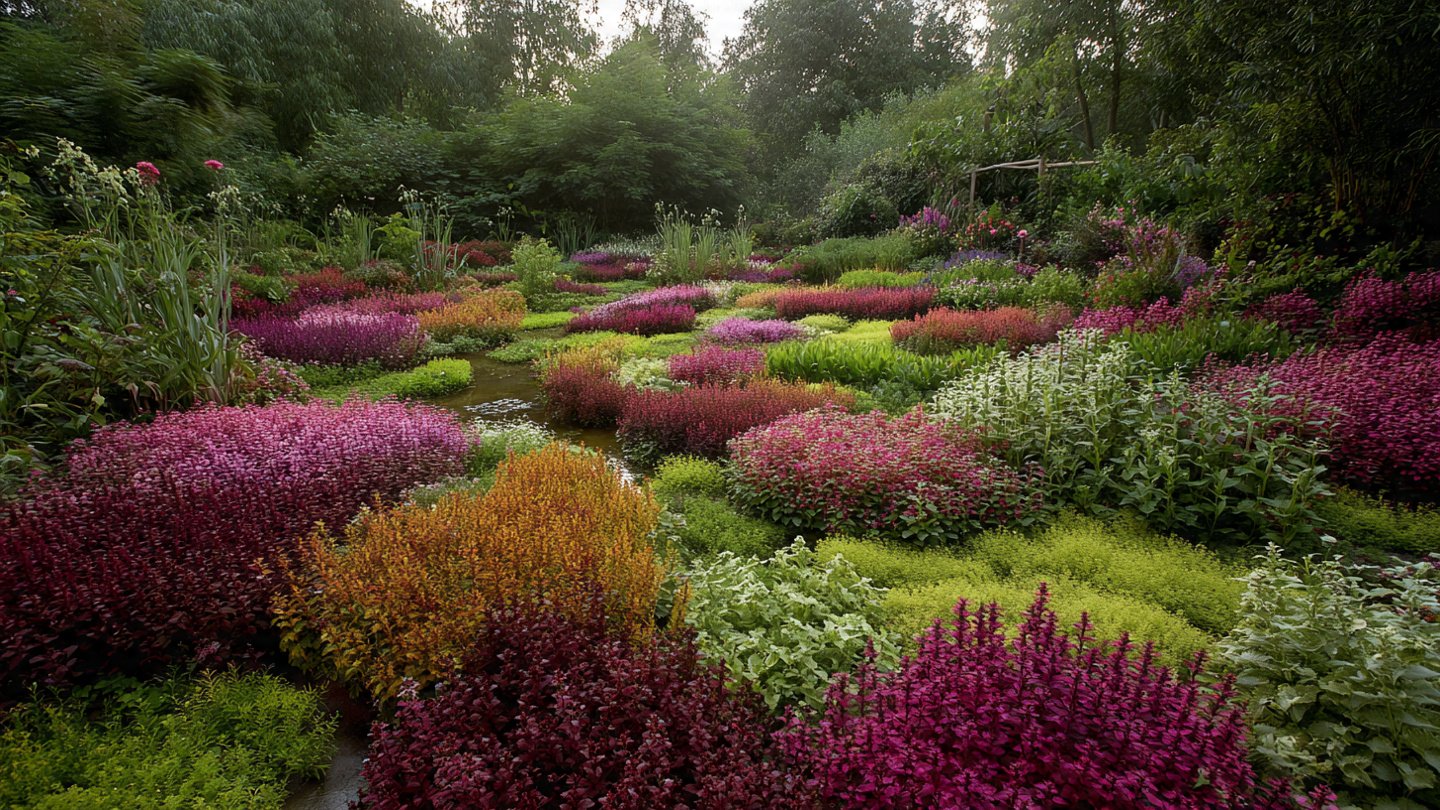
Planting painted nettle (Plectranthus scutellarioides), often referred to as coleus, is an excellent way to bring color and vibrancy to your garden. The vibrant leaves of painted nettle come in a variety of shapes and colors, making it a favorite among gardeners. This guide will walk you through all the steps required to plant painted nettle in large groups, ensuring a stunning display.
Understanding Painted Nettle
Characteristics
Painted nettle is known for its ornamental foliage rather than its flowers. The leaves can be deeply lobed or serrated, with colors ranging from deep green to vibrant purples, reds, and yellows. They thrive in warm weather and are often used in garden beds, borders, and containers.
Growing Conditions
Before planting, it’s essential to understand the growing conditions that painted nettle prefers:
- Light: Painted nettle thrives in partial to full shade. While some varieties can tolerate full sun, too much direct sunlight can scorch the leaves.
- Soil: Well-draining soil enriched with organic matter is critical for healthy growth. A pH of 6.0 to 7.0 is ideal.
- Water: These plants prefer moistened soil but do not tolerate standing water. Regular watering is important, especially during dry spells.
Planning Your Planting
Design Considerations
When planting painted nettle in large groups, consider the following design aspects:
- Color Combinations: Grouping different colors can create a stunning visual impact. Aim for harmonious combinations by balancing cool-toned plants with warm-toned variants.
- Height and Texture: Use plants of varying heights to create depth. Taller varieties can serve as a backdrop, while shorter plants can fill in the foreground.
- Spacing: Depending on the variety you choose, allow 12-18 inches between each plant for optimum growth and display.
Choosing the Right Varieties
There are numerous varieties of painted nettle, each with its unique color and leaf shape. Some popular choices include:
- ‘Wizard’ Series: Compact plants with stunning foliage colors ranging from lime green to deep burgundy.
- ‘Kong’ Series: Larger leaves that offer a dramatic design element.
- ‘Stained Glass’: Features bold patterns and colors, ideal for creating striking arrangements.
Steps for Planting Painted Nettle
Step 1: Preparing the Site
- Choose the Location: Pick a site that meets the light and moisture requirements of the plants.
- Clear the Area: Remove weeds, rocks, and debris. A clean area allows the plants to thrive without competition for resources.
- Soil Preparation: Till the soil to a depth of at least 12 inches. Incorporate compost or well-rotted manure to improve soil fertility and drainage.
Step 2: Planting
- Purchase Healthy Plants: Choose young, vibrant plants from a reputable garden center. Look for plants with bushy foliage and no signs of disease.
- Digging Holes: For each plant, dig a hole that is about twice the width and the same depth as the root ball.
- Planting:
- Gently remove the plant from its container, being careful not to disturb the root ball excessively.
- Place the plant in the hole, ensuring that the top of the root ball is level with the soil surface.
- Backfill with soil, gently pressing down to eliminate air pockets.
- Water: After planting, water each plant thoroughly to help settle the soil around the roots.
Step 3: Maintenance
- Watering: Water regularly but be cautious not to overwater. During dry spells, plants may require more frequent watering.
- Fertilization: Use a balanced liquid fertilizer every 4-6 weeks during the growing season to promote vibrant foliage.
- Pruning: Regularly trim back leggy growth and spent leaves to encourage bushiness and maintain the plants’ shape.
- Pest Management: Keep an eye out for pests like aphids and spider mites. If found, treat them immediately with insecticidal soap or neem oil.
Designing a Vibrant Display
Creating Patterns and Shapes
To add dynamism to your garden, consider planting in patterns or waves. Here are a few design ideas:
- Block Planting: Group the same colored plants into blocks for a unified look.
- Contrast and Harmony: Alternate different colors to create visual interest; for example, juxtapose dark burgundy with bright lime green.
- Layering: Place taller varieties of painted nettle at the back of a flower bed and shorter ones at the front to create a layered effect.
Choosing Companion Plants
Painted nettle pairs beautifully with other plants:
- Annual Flowers: Such as marigolds or petunias can add pops of color.
- Perennials: Like hostas or ferns provide texture and contrast.
- Other Foliage Plants: Mix with plants like ornamental grasses for added dimension.
Seasonal Care
Fall Preparation
As the growing season winds down, consider these steps:
- Cut Back: Trim back any spent foliage while leaving about 6 inches above the ground.
- Mulching: Apply a layer of mulch to protect the roots during colder months.
- Digging Up: In colder climates, painted nettle is often treated as an annual. If you want to keep the plants, dig them up, pot them, and bring them indoors.
Winter Care
If kept indoors, ensure they get plenty of light and maintain moderate humidity. The plants will require less water during their dormant period.
FAQs
1. Can painted nettle tolerate full sun?
While some varieties can handle full sun, most do best in partial shade to prevent leaf scorch.
2. How often should I water painted nettle?
Water when the top inch of soil feels dry. They prefer moist soil but do not tolerate standing water.
3. Do I need to fertilize painted nettle?
Yes, feeding with a balanced fertilizer every 4-6 weeks during the growing season will promote vibrant foliage.
4. What are common pests that affect painted nettle?
Common pests include aphids, spider mites, and whiteflies. Regular inspection and prompt treatment will prevent infestations.
5. What can I do if my painted nettle is leggy?
Pruning back leggy growth can promote a bushier plant.
6. Are painted nettles annuals or perennials?
In most climates, painted nettles are considered annuals. In USDA zones 10-11, they can be perennials.
Conclusion
Planting painted nettle in large groups not only creates a visually stunning display but also rejuvenates your garden. With the right planning, care, and attention, your garden can echo with vibrant hues, drawing admiration from all who see it. Whether as borders, focal points, or combined with other plants, painted nettle is an excellent choice for enhancing your gardening experience. By following this guide, you’re well on your way to creating an inviting, colorful outdoor space. Happy gardening!