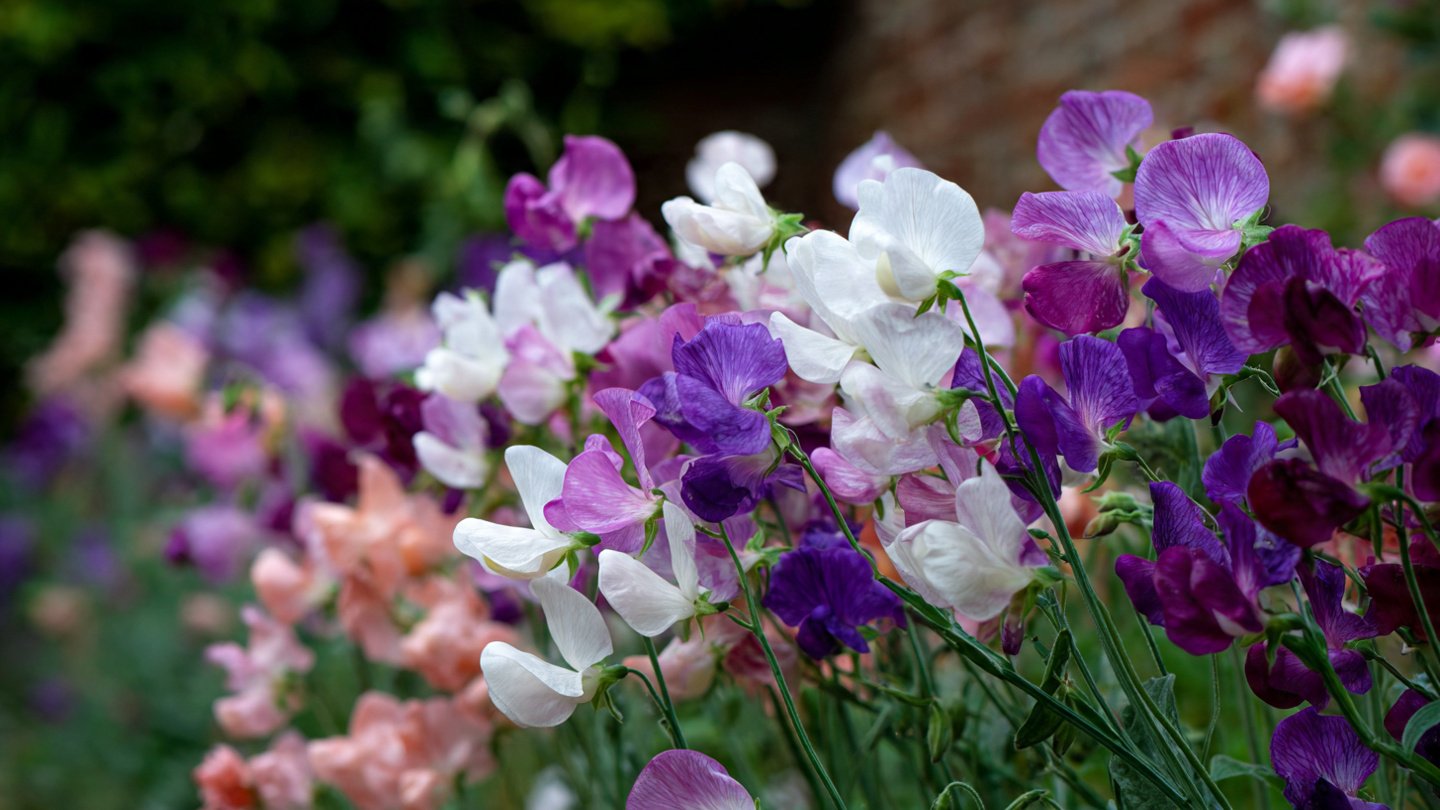
Growing sweet peas is a delightful venture for any gardener, particularly when it comes to cultivating them during the winter months. Known for their vibrant colors and captivating fragrances, sweet peas (Lathyrus odoratus) are not only beautiful but can thrive in a range of conditions. This article will dive into the secrets of successfully growing sweet pea winter flowers in your garden year-round, with practical tips and insights to help you create a stunning floral display no matter the season.
Understanding Sweet Peas
Sweet peas are climbing plants that belong to the legume family, and they are best known for their delicate, fragrant blossoms, which come in various colors, including pink, blue, white, and lavender. Here are some important points to consider:
-
Climate Requirements: Sweet peas thrive in cool, temperate climates but can also be grown in warmer regions if managed properly.
-
Growing Season: Traditionally, sweet peas are grown in spring; however, their unique growing habits allow for successful year-round cultivation with the right techniques.
-
Soil Preferences: Sweet peas prefer well-drained, fertile soil. They thrive best in slightly alkaline soil with good organic matter.
Preparing Your Garden for Sweet Peas
Before planting sweet peas, it’s crucial to prepare your garden space adeptly.
1. Choosing the Right Location
Select a spot that receives full sun for at least six hours daily. Sweet peas are climbers and will benefit from some support such as trellises or cages.
2. Soil Preparation
-
Testing Soil pH: Ensure your soil has a pH level between 6.0 and 7.5. You can use a soil testing kit to determine this.
-
Improving Soil Quality: Incorporate organic matter such as compost or well-rotted manure into the soil to enhance nutrient availability and drainage.
3. Fertilization
-
Pre-Planting Fertilization: A balanced fertilizer or one high in phosphorus can help strengthen sweet peas’ root systems.
-
Mulching: After planting, apply a layer of mulch to retain moisture and regulate soil temperature.
Planting Sweet Peas in Winter
While winter might seem like an odd choice for planting, there are techniques to ensure your sweet peas not only survive but thrive.
1. Selecting Varieties
Choose hardy varieties that can withstand cooler temperatures. Popular winter varieties include:
- Winter Sunshine
- King Edward VII
- Old Spice Mix
2. Timing the Planting
Generally, sweet peas are planted outside between October and December for winter flowering. If you’re in a milder climate, consider starting them in pots indoors a few weeks before your last frost.
3. Direct Sowing Vs. Transplanting
-
Direct Sowing: Plant seeds directly into the ground or containers filled with quality potting soil.
-
Transplanting: If starting indoors, use biodegradable pots and transplant them outdoors when they reach 4-6 inches in height.
4. Spacing and Depth
Plant the seeds 1 inch deep in the soil and space them about 6-8 inches apart to allow sufficient airflow and prevent mildew.
Caring for Sweet Peas in Winter
Understanding the specific needs of sweet peas during winter is vital for successful growth.
1. Watering
-
Watering Schedule: Keep the soil consistently moist but not overly saturated. Water at the base rather than overhead to avoid fungal diseases.
-
Checking Moisture: During dry spells, regularly check soil moisture to maintain ideal growing conditions.
2. Protection from Frost
-
Frost Cloths: Use floating row covers or frost cloths to protect young plants from frost damage during particularly cold nights.
-
Cold Frames: If temperatures dip significantly, consider using cold frames to provide additional warmth and protection.
3. Pest and Disease Management
Common issues that sweet peas may face include:
-
Powdery Mildew: Prevent this by ensuring good airflow and avoiding overhead watering.
-
Aphids and Other Pests: Apply insecticidal soap or neem oil as needed to keep pest populations in check.
Supporting Your Sweet Peas
Sweet peas are climbing plants that require support to grow optimally.
1. Providing Trellis or Support
Install a trellis, fence, or other structures to allow sweet peas to climb. This not only aids in their growth but also improves air circulation, reducing disease pressure.
2. Pinching Back
Pinching back the tips of shoots when they grow to about 6 inches encourages bushier growth and more blooms.
Harvesting Sweet Peas
Sweet peas can be harvested when they are blooming, providing you with fragrant flowers for floral arrangements and bouquets.
1. Timing the Harvest
For the best fragrance and longevity, harvest flowers in the morning when they are still cool.
2. Proper Technique
To promote continuous blooming:
- Cut the stems at a 45-degree angle, allowing for better water uptake.
- Remove any yellowing or spent blossoms to encourage new growth.
Maintenance for Year-Round Blooms
If done correctly, your sweet peas can provide beautiful blooms throughout the year.
1. Trimming and Deadheading
Regular deadheading of spent flowers will not only keep your plants looking tidy but will also encourage healthier growth and blooming.
2. Seasonal Care Adjustments
As seasons change, monitor your sweet peas closely and adjust watering, fertilization, and pest control measures accordingly.
3. Companion Planting
Consider planting sweet peas alongside other companion plants such as nasturtiums or marigolds. This promotes biodiversity and can deter pests.
FAQs
Q1: Can sweet peas grow in pots during winter?
A: Yes, sweet peas can thrive in pots. Ensure the pots have adequate drainage and provide a trellis for support.
Q2: What is the best time to plant sweet peas for winter blooms?
A: Ideally, plant sweet peas outdoors between October and December, depending on your local climate.
Q3: How often should I water sweet peas in winter?
A: Water them when the top inch of soil feels dry. Be cautious not to overwater, as soggy soil can lead to root rot.
Q4: Do sweet peas require a lot of sunlight?
A: Sweet peas prefer at least six hours of full sun daily, making them ideal for areas with abundant light.
Q5: How can I protect sweet peas from frost?
A: Use frost cloths or cold frames to shield delicate plants from severe temperature drops.
Q6: Are sweet peas annual or perennial?
A: Sweet peas are generally treated as annuals in most regions, but they can reseed naturally for blooms in subsequent years.
Conclusion
Successfully growing sweet peas in winter requires thoughtful preparation, diligent care, and ongoing maintenance. By understanding their unique needs and adapting your gardening practices, you can enjoy their vibrant blooms and sweet fragrance year-round. With these tips, you’re well on your way to mastering the art of winter sweet pea gardening. Happy planting!