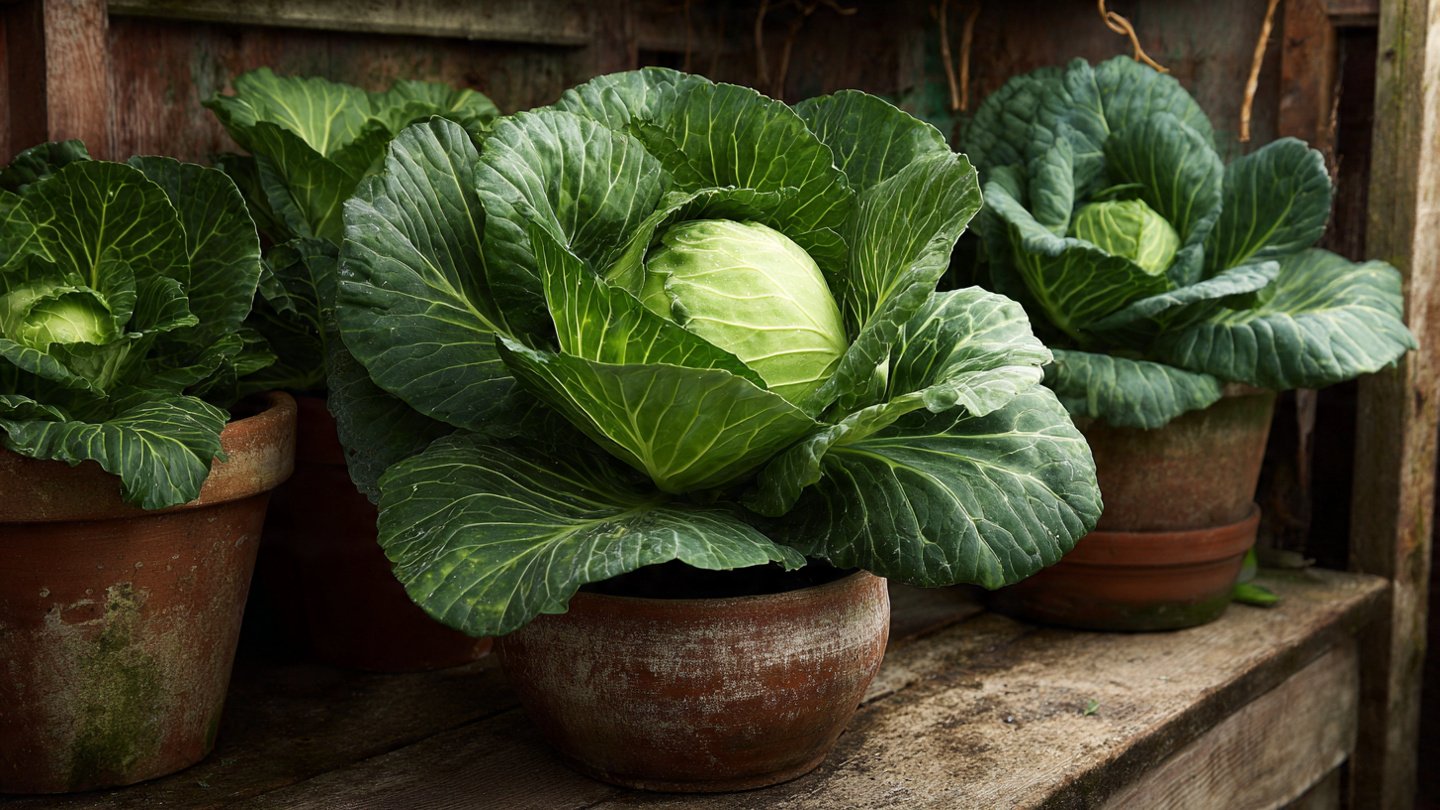
Growing cabbage in pots is an excellent way to enjoy fresh produce right from your balcony, patio, or small garden space. While cabbage is traditionally planted in open fields, container gardening allows for greater control over conditions and yields. This guide will explore the best methods for successfully growing cabbage in pots, ensuring you maximize your yield while enjoying the journey of gardening.
Understanding Cabbage Growth
Cabbage (Brassica oleracea) is a cool-season vegetable that thrives in moderate temperatures. It is a member of the Brassica family, which includes broccoli, kale, and Brussels sprouts. Cabbage grows best in full sun, with a soil temperature between 60°F and 70°F (15°C to 21°C).
Selecting the Right Variety
Choosing the right cabbage variety is crucial for container gardening. Some popular choices for pots include:
- Green Cabbage: Standard and widely used, suitable for various recipes.
- Red Cabbage: Adds vibrant color and nutrients to your dishes.
- Savoy Cabbage: Known for its crinkled leaves and sweet flavor.
Smaller varieties, like the “Mini Napa” or “Tokyo Bekana,” are particularly well-suited for pot cultivation, allowing for higher density planting.
Choosing the Right Container
Size Matters
Start with a container that is at least 12 to 18 inches deep and wide. Cabbage has a relatively shallow root system, but it requires adequate space to grow fully. A larger pot will also allow for better moisture retention.
Material
Containers can be made from various materials, including plastic, ceramic, or metal. Each has its pros and cons:
- Plastic: Lightweight and easy to move, but can heat up in direct sunlight.
- Ceramic: Offers good insulation but can be heavy and expensive.
- Metal: Durable but may conduct heat, requiring careful placement.
Whichever material you choose, ensure your pot has adequate drainage holes to prevent water logging.
Soil Preparation
Choosing the Right Soil Mix
Cabbage prefers well-draining soil rich in organic matter. Opt for a high-quality potting mix designed for vegetables, or create your own by mixing:
- 50% potting soil
- 25% compost
- 25% perlite or vermiculite
This mixture will provide necessary nutrients while ensuring good drainage.
Soil pH
Cabbage grows best in soil with a pH between 6.0 and 7.5. You can test your soil with an at-home kit and amend it with lime if it’s too acidic or sulfur if it’s too alkaline.
Sowing and Transplanting
Direct Sowing vs. Transplanting
You can either sow seeds directly into the pot or start them indoors and transplant them later. If sowing seeds directly, ensure the soil temperature is above 60°F (15°C). Use the following steps:
- Sow Seeds: Plant seeds ¼ to ½ inch deep, spacing them about 2-3 inches apart.
- Water: Gently water the seeds, keeping the soil consistently moist.
- Thin Seedlings: If you sowed multiple seeds, thin them to one seedling per cluster when they have a few true leaves.
If starting indoors, sow seeds 4-6 weeks before the last frost. When seedlings are 4-6 inches tall, transplant them into pots.
Watering
Cabbage requires consistent moisture but does not like soggy soil. Follow these tips for effective watering:
- Frequency: Water cabbage daily in hot weather and less frequently in cool weather. Check the top inch of soil; if it’s dry, it’s time to water.
- Method: Use a soaker hose or watering can to water at the base, avoiding the leaves to prevent disease.
Mulching can help retain moisture and regulate soil temperature, particularly in hotter months.
Fertilization
Cabbage is a heavy feeder and benefits from regular fertilization. Use a balanced, water-soluble fertilizer every two weeks during the growing season. Aim for a fertilizer ratio of 10-10-10 (N-P-K) or one tailored for leafy greens.
Organic Options
For organic gardening, consider using:
- Compost Tea: A nutrient-rich liquid made by steeping compost in water.
- Fish Emulsion: A natural fertilizer that provides both nitrogen and beneficial microorganisms.
Pest and Disease Management
Cabbage is susceptible to various pests and diseases. Here are some common problems and remedies:
Pests
- Aphids: Small, sap-sucking insects. Spray water or insecticidal soap to control them.
- Cabbage Worms: Green caterpillars that chew leaves. Handpick or use Bacillus thuringiensis (Bt).
- Flea Beetles: Small insects that create holes in leaves. Use floating row covers early in the season to deter them.
Diseases
- Downy Mildew: A fungal disease. Ensure proper spacing and airflow to prevent it.
- Black Rot: A bacterial infection. Rotate crops and avoid overhead watering.
Harvesting
Cabbage is typically ready for harvest when the heads are firm and have reached a desirable size, usually 6 to 8 inches in diameter, depending on the variety. Use a sharp knife to cut the head just above the stem, leaving a few leaves for future growth.
Multiple Harvests
You can also harvest outer leaves as needed while allowing the center to continue growing. This method works well for varieties producing smaller heads.
Seasonal Considerations
Cabbage grows best in the cooler months, so timing is essential:
- Spring Planting: Sow seeds indoors 4-6 weeks before the last frost, transplanting outdoors after the danger of frost has passed.
- Fall Planting: Start seeds in late summer for a fall harvest, as cabbage can withstand light frosts, improving its flavor.
FAQs
1. How much sunlight does cabbage need?
Cabbage thrives best in full sun, requiring at least 6 hours of direct sunlight each day.
2. Can I grow cabbage in smaller pots?
While smaller pots are possible, they will restrict the growth and yield of the plants. A 12- to 18-inch pot is recommended for optimal growth.
3. How do I know when to harvest my cabbage?
Harvest cabbage when the heads feel firm and are between 6-8 inches in diameter. Cut the head near the base when ready.
4. Can I grow cabbage indoors?
Yes, you can grow cabbage indoors, provided it receives enough sunlight or supplemental grow lights.
5. What should I do if my cabbage has yellow leaves?
Yellowing leaves can be a sign of nutrient deficiency or overwatering. Check the moisture levels and consider fertilizing with a balanced nutrient solution.
6. How can I maximize space when growing cabbage in pots?
Consider using tiered plant stands or grouping smaller pots together to create a more efficient use of space.
In conclusion, growing cabbage in pots is an achievable and rewarding endeavor. By selecting the right variety, using appropriate containers, and following care guidelines, you can enjoy a bountiful harvest of this nutritious vegetable. Happy gardening!