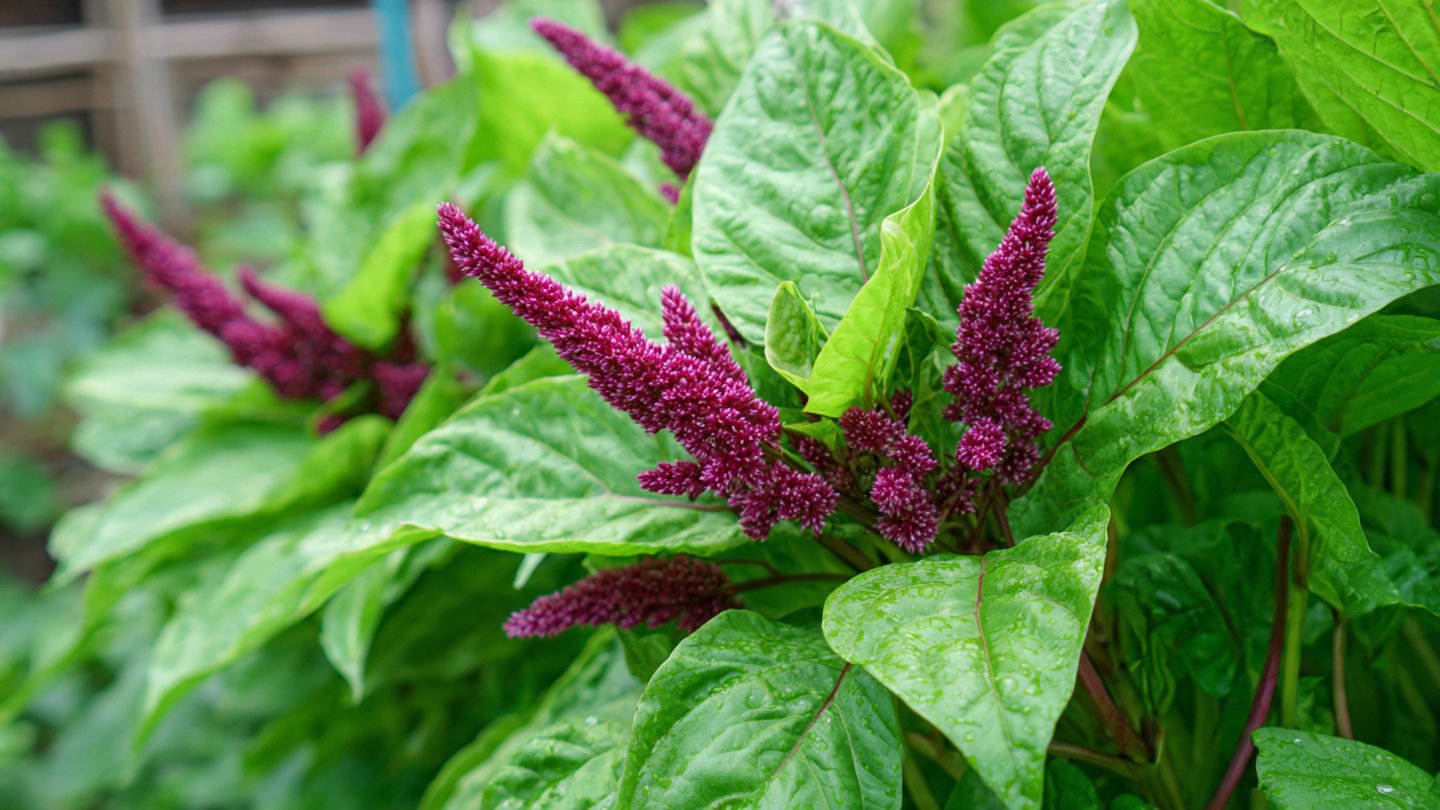
Green amaranth (Amaranthus viridis) is a highly versatile and nutritious leafy green that has been cultivated for centuries worldwide. As part of the amaranth family, known for its vibrant colors and nutritious seeds, green amaranth is increasingly becoming popular in home gardens. With its easy growth conditions and numerous health benefits, even novice gardeners can cultivate this plant successfully. This guide provides you everything you need to know about growing green amaranth at home, ensuring a bountiful and productive garden.
Understanding Green Amaranth
Nutritional Profile
Green amaranth is rich in vitamins A, C, and K, along with key minerals such as calcium, iron, and magnesium. It also boasts high levels of protein and dietary fiber, making it an excellent addition to a balanced diet.
Uses in Cooking
Its tender leaves can be used in salads, soups, and stir-fries, while its seeds can be ground into flour or used as a grain substitute. The slightly nutty flavor adds a delightful twist to many dishes.
Getting Started: Preparing to Grow Green Amaranth
Choosing the Right Location
Green amaranth thrives in full sun, so selecting a sunny location in your garden is essential. Aim for a spot that receives at least six to eight hours of sunlight daily.
Soil Preparation
Ideal Soil Conditions
Amaranth prefers well-draining, loamy soil with a pH level between 6.0 and 7.0. The soil should retain some moisture but also allow for good drainage to prevent root rot.
Soil Amendments
Before planting, consider amending your soil with organic compost or well-rotted manure. This enrichment boosts the soil structure, aeration, and nutrient content, promoting healthy plant growth.
Selecting Seeds
You can purchase seeds from local gardening centers or online retailers. Look for varieties suited to your climate and growing conditions. Heirloom seeds are an excellent choice, as they typically produce robust and flavorful plants.
Growing Green Amaranth
Seed Sowing
Timing
The best time to sow amaranth seeds is in spring after the last frost, or you can also start them indoors 4-6 weeks before the last frost date.
Sowing Technique
-
Direct Sowing: You can sow seeds directly into the soil. Plant them about 1/4 inch deep, spacing them 12-18 inches apart to allow for growth. If you want to achieve denser foliage, you can sow them closer together and thin out the seedlings later.
-
Starting Indoors: If starting seeds indoors, use seed trays filled with seed-starting mix. After germination, transplant seedlings outdoors once they are about 3-4 inches tall and the outdoor temperature is consistently warm.
Watering
Establishing a Routine
Once sown, keep the soil consistently moist until the seeds germinate, which typically takes about 7-14 days. After germination, reduce the frequency, allowing the topsoil to dry out slightly between waterings.
Avoiding Waterlogged Soil
Ensure adequate drainage to avoid water accumulation, which can lead to root rot. A raised bed or container can be beneficial in this regard.
Fertilization
After seedlings reach about 4-6 inches tall, consider applying a balanced fertilizer or a diluted liquid organic fertilizer every few weeks to encourage strong growth. However, excessive fertilization can lead to rapid leaf growth at the expense of flavor, so moderation is key.
Weed Control
Keep the area around your Amaranth plants free from weeds, especially while they are still young. Mulching with organic materials like straw or grass clippings can help suppress weeds and retain soil moisture.
Pest and Disease Management
Green amaranth is relatively pest-resistant, but watch out for aphids, leafhoppers, and spider mites. If infestations occur, gentle insecticidal soap or neem oil can effectively manage these pests.
Common diseases include downy mildew and leaf spot. To prevent these conditions, always practice good garden hygiene and avoid overhead watering to reduce leaf wetness.
Harvesting Green Amaranth
Timing Your Harvest
Amaranth leaves can be harvested when the plant is about 6-12 inches tall. For the best flavor and tenderness, pick the outer leaves first, allowing the inner leaves to continue growing.
Techniques for Harvesting
-
Hand-Picking: Using clean, sharp scissors or garden shears, cut the outer leaves at the base, leaving the inner leaves intact for future harvesting.
-
Cutting the Entire Plant: If you need a large quantity at once, you can cut the whole plant just above the soil line. It may regrow for a second harvest.
Storage
Freshly harvested amaranth leaves can be stored in a perforated plastic bag in the refrigerator for up to a week. For longer storage, consider blanching and freezing the leaves.
Common Challenges and Solutions
Bolting
In hot weather, amaranth may bolt, leading to flowering and seed production, which often makes the leaves taste bitter. To delay this, ensure consistent watering and provide partial shade during peak heat.
Flavor Changes
If the plants are stressed (from drought or excessive heat), leaves may become tough or bitter. Maintaining consistent care helps ensure optimal flavor.
Space Limitations
If you have limited garden space, consider growing amaranth in containers. Choose large pots (at least 12 inches deep) and follow the same care guidelines.
Conclusion
Growing green amaranth at home can be simple and rewarding. By following the steps outlined in this guide—from choosing the right location and preparing the soil to effective watering and harvesting techniques—you can cultivate a plentiful crop. Not only will this enhance your culinary repertoire, but you’ll also enjoy the numerous health benefits this leafy green offers.
FAQs
1. How long does it take for green amaranth to grow?
Green amaranth typically takes about 30-45 days from seed to harvest, depending on the growing conditions.
2. Can I grow green amaranth indoors?
Yes, green amaranth can be grown indoors provided it receives enough sunlight (at least 6-8 hours a day) or supplemental grow lights.
3. What is the best way to store green amaranth after harvesting?
Store greens in a perforated plastic bag in the refrigerator for up to a week. For longer storage, blanch and freeze the leaves.
4. Is green amaranth a perennial or annual plant?
Green amaranth is generally grown as an annual. However, it may self-seed and regrow if conditions allow.
5. Can I eat the seeds of green amaranth?
Absolutely! The seeds are also edible and highly nutritious. They can be ground into flour or cooked like a grain.
6. Are there any pests that I should worry about?
While green amaranth is relatively pest-resistant, you should monitor for aphids, spider mites, and leafhoppers. Early detection and organic treatments can mitigate any issues.
7. What’s the optimal pH level for growing amaranth?
The ideal pH for growing green amaranth ranges from 6.0 to 7.0. Testing your soil can help ensure optimal growing conditions.
8. Can green amaranth be grown in partial shade?
While green amaranth prefers full sun, it can tolerate partial shade, though growth may be slower, and leaves may not be as flavorful.
By utilizing these straightforward techniques and knowledge, you can achieve success in growing green amaranth, enriching both your garden and your dining table. Happy gardening!