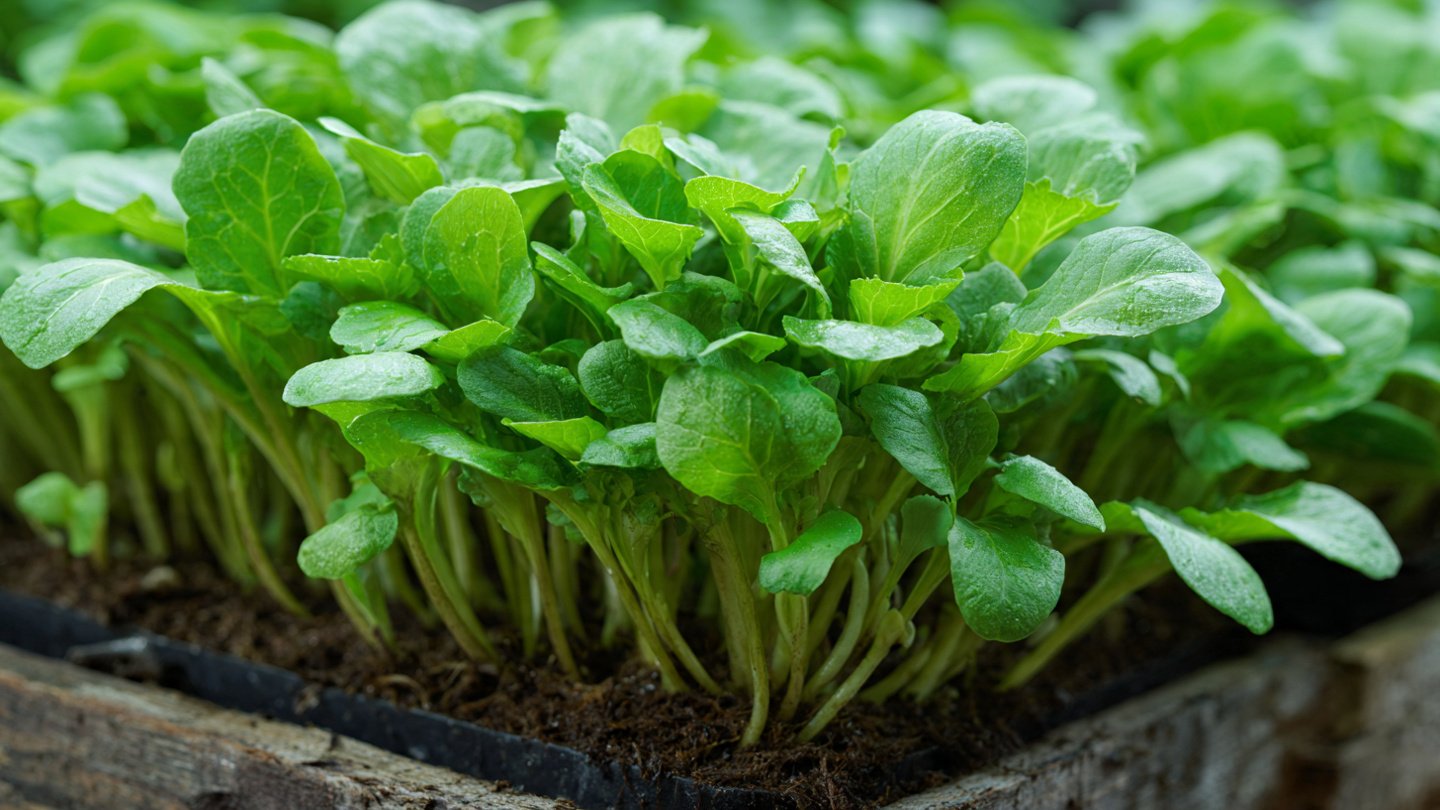
Radish greens, often overlooked in the realm of home gardening, present a delightful opportunity for growing fresh, nutritious foliage that can be harvested multiple times a year. This article delves into effective strategies for cultivating these greens year-round, ensuring a robust supply of fresh produce for salads, soups, pestos, and garnishes.
Understanding Radish Greens
Radish greens are the leaves of the radish plant, and they are packed with nutrients, including vitamins A, C, and K, as well as minerals like calcium and iron. Furthermore, these greens offer a unique peppery flavor that can elevate many dishes. Below are strategies to thrive in growing radish greens methodically and sustainably.
1. Choosing the Right Variety
Choosing the appropriate radish variety is crucial to successful growth. Different types, such as Daikon, Cherry Belle, and French Breakfast, offer varying growth rates and flavors.
Considerations:
- Harvesting Time: Fast-growing varieties can be harvested in about 30 days, while slower ones take longer.
- Flavor: Some varieties have milder or spicier greens. Taste testing is advisable to find what suits your culinary preferences.
2. Optimal Planting Seasons
Radishes are cool-season crops, thriving in temperatures of 50-65°F (10-18°C). For year-round growth, you can stagger your planting:
- Spring: Start seeds indoors 4-6 weeks before the last frost date. Transplant outside when temperatures are mild.
- Fall: Sow seeds in late summer to early fall for a late harvest before winter takes hold.
For year-round cultivation in climates with harsh winters, consider using a cold frame or hoop house to extend the growing season.
3. Soil Preparation
The foundation of healthy radish greens consists of nutrient-rich, well-draining soil.
Steps:
- Soil Type: A loamy soil enriched with organic matter such as compost will provide the necessary nutrients and improve drainage.
- pH Level: Radishes prefer a soil pH between 6.0 and 7.0. Conduct a soil test to ensure proper acidity levels.
- Fertilization: Use a balanced fertilizer (10-10-10) or organic options like compost tea to promote growth without overwhelming the plants.
4. Proper Spacing
Allow for adequate spacing among your plants to promote better air circulation and growth.
Spacing Guidelines:
- Thin seedlings to about 3-4 inches apart to prevent overcrowding, which can lead to disease or stunted growth.
- Proper spacing allows individual plants to maximize their exposure to sunlight and nutrients.
5. Adequate Watering
Radish greens require consistent moisture to thrive, especially in warmer months.
Watering Techniques:
- Frequency: Water deeply once a week rather than shallowly every few days. This encourages deeper root growth.
- Method: Employ drip irrigation or soaker hoses to deliver moisture directly to the roots and minimize leaf wetness, reducing fungal illnesses.
6. Pest and Disease Management
Keeping a vigilant eye for pests and diseases is essential for maintaining the health of your radish greens.
Common Pests:
- Aphids: These small insects can be controlled by introducing beneficial insects like ladybugs or using insecticidal soap.
- Flea Beetles: Use row covers to protect young plants from these notorious pests.
Diseases:
- Downy Mildew: Ensure good air circulation and avoid overhead watering to reduce the likelihood of fungal infections.
7. Complementary Planting
Growing radish greens alongside other plants can improve their health and yield.
- Companions: Pairing radishes with plants like peas, garlic, and carrots can enhance their growth through mutual benefits such as pest repulsion and improved nutrient uptake.
- Crop Rotation: Rotate radish greens with other crops to prevent soil depletion and break pest cycles.
8. Harvesting Techniques
Knowing when and how to harvest radish greens is crucial for long-term growth.
Harvesting Tips:
- Timing: Begin harvesting young leaves when they are about 4 inches tall. Regularly harvesting encourages new growth.
- Method: Use clean scissors to cut the outer leaves, allowing the inner ones to continue growing for multiple harvests.
9. Preserving Radish Greens
When you have an abundance of radish greens, consider preservation techniques to enjoy them year-round.
Freezing:
- Wash and blanch the greens for a few minutes before plunging them into ice water. After drying, store them in airtight containers or freezer bags.
Drying:
- Dehydrating radish greens can create a flavorful powder for seasoning. Dry thoroughly and store in a glass jar.
10. Indoor Gardening
For those without outdoor garden space, consider indoor gardening options for growing radish greens.
Setup:
- Lighting: Utilize grow lights to provide adequate light exposure, especially during winter months.
- Containers: Choose containers with drainage holes and fill them with a quality potting mix.
11. Continuous Sowings
To maintain a fresh supply of radish greens, practice continuous sowing.
- Weekly Sowing: Stagger planting every 1-2 weeks to ensure a consistent harvest throughout the growing season.
- Seasonal Planning: Adjust your planting schedule based on seasonal temperature changes.
12. Utilize Hydroponics
Hydroponics systems offer a soil-less approach to growing radish greens, an efficient option for year-round growth.
Mediums:
- Use growing media like coconut coir or rock wool.
Nutrient Solutions:
- Implement a well-balanced nutrient solution to sustain the greens.
13. Educating and Experimenting
Keeping abreast of new techniques in horticulture can enhance your growth techniques.
- Workshops: Attend gardening classes or webinars to learn about innovative practices.
- Experiment: Keep track of what works best in your specific environment, and don’t hesitate to try out different varieties or growing methods.
FAQs
1. How often should I water radish greens?
Water once a week deeply, ensuring the soil is consistently moist but not soggy.
2. Can I eat radish greens?
Yes, radish greens are nutritious and can be used in salads, soups, and pestos.
3. When is the best time to plant radish greens?
The optimal time is in early spring or late summer for a fall harvest. You can also grow them indoors year-round.
4. What pests should I watch for when growing radish greens?
Common pests include aphids and flea beetles. Implement natural pest control methods to manage these.
5. How do I preserve radish greens?
You can freeze, dry, or use them fresh within a week of harvesting for best flavor and nutritional value.
Conclusion
Growing radish greens year-round is an achievable goal with the right strategies in place. By understanding seasonal conditions, soil health, watering techniques, and engaging in pest management, you can enjoy the benefits of fresh, healthy greens all year long. Explore different varieties and gardening techniques to develop a sustainable and rewarding gardening practice that enhances your culinary endeavors. Happy gardening!